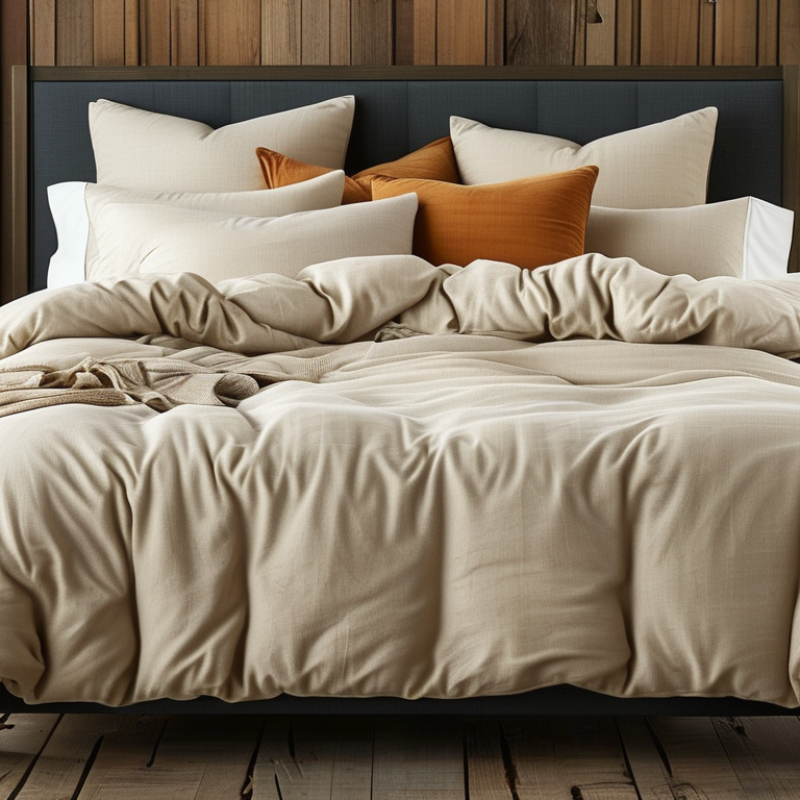
Choosing the right materials for bedding sets is crucial for comfort and health. In the words of industry expert Dr. Emily Thompson, “The right bedding materials can transform your sleep experience.” Understanding what materials are best for bedding sets is essential.
Cotton, linen, and bamboo are popular choices. Each material offers unique benefits. For instance, cotton is breathable and soft. However, some may find it less durable. Linen, while elegant, can be rougher against the skin. It also wrinkles easily. Bamboo is eco-friendly, but it can be more expensive.
Navigating through these options can overwhelm consumers. Many people don't realize how much a bedding set impacts sleep quality. It's important to reflect on personal needs. Do you prefer soft textures or sustainable choices? Each material carries its pros and cons, and finding the best match requires careful consideration.
Overview of Bedding Set Materials: Key Considerations
When selecting bedding set materials, several key factors should be considered. Breathability is crucial. Cotton is a popular choice due to its natural fibers. It allows air circulation, keeping you cool at night. Notably, a study from the Sleep Foundation emphasizes that breathable materials can improve sleep quality by reducing sweat.
Another important consideration is durability. Fabrics like polyester are known for their strength. They resist wrinkles and fading, making them long-lasting. According to a report by the Global Textiles Agency, polyester bedding can maintain its quality through multiple washes, making it ideal for everyday use. However, it is important to note that synthetic fibers may not provide the same comfort as natural options.
Lastly, consider the feel of the material. Linen offers a unique texture that enhances sleep experience, but it can be coarse initially. A survey conducted by the National Sleep Association showed that 70% of respondents preferred softer materials like bamboo or Tencel for their silky feel. However, Tencel can sometimes be pricey, presenting a dilemma between comfort and budget. Choosing the right material ultimately requires balancing comfort, durability, and cost.
2026 Best Materials for Bedding Sets: What to Choose?
| Material |
Comfort Level |
Durability |
Breathability |
Care Instructions |
| Cotton |
High |
High |
Excellent |
Machine wash |
| Linen |
Medium |
High |
Good |
Machine wash |
| Microfiber |
High |
Medium |
Good |
Machine wash |
| Silk |
Very High |
Medium |
Excellent |
Dry clean only |
| Bamboo |
High |
Medium |
Excellent |
Machine wash |
Cotton vs. Linen: Pros and Cons for Bedding Choices
Cotton and linen are popular choices for bedding, each with unique traits. Cotton is soft and breathable, ideal for a comfortable night’s sleep. It’s easy to care for and often more affordable. Yet, it might not be as durable as linen, which can be a drawback. Over time, cotton tends to wear out faster, leading to pilling.
Linen, on the other hand, is made from flax fibers. It boasts exceptional breathability and moisture-wicking properties. This makes it a great option for hot sleepers. Linen is also naturally hypoallergenic, perfect for sensitive skin. However, it can feel rough initially and may require more care during washing. It tends to wrinkle easily, which is not everyone’s preference.
Choosing between cotton and linen ultimately depends on personal needs. Comfort, care, and durability all play roles in this decision. Some may prefer the luxury feel of linen, while others appreciate the accessibility of cotton. Evaluating these factors can lead to a more informed choice that enhances your sleep quality.
Understanding Synthetic Fabrics: Polyester and Beyond
When it comes to choosing the best bedding sets, understanding synthetic fabrics is crucial. Polyester is a popular option. It is durable and easy to wash. However, not all polyester is created equal. Some blends contain additives that may irritate sensitive skin.
Beyond polyester, there are other materials worth considering. Microfiber is another synthetic fabric. It feels soft and has a luxurious appearance. Yet, it can trap heat, making it uncomfortable for some sleepers. Exploring different fabrics helps find the right balance between comfort and practicality.
Choosing bedding isn't always straightforward. People often overlook how materials impact sleep quality. Synthetic fabrics are convenient but can have drawbacks. It's essential to reflect on personal comfort and preferences when making a decision. Finding the perfect bedding set requires both research and a bit of trial and error.
2026 Best Materials for Bedding Sets: Synthetic Fabrics Overview
This chart illustrates the various synthetic fabrics used in bedding sets for 2026, highlighting their market share based on popularity and durability ratings.
The Role of Thread Count in Bedding Quality and Comfort
Thread count is often viewed as a key indicator of bedding quality. Higher thread counts usually signify softer, denser fabrics. However, this isn't a universal truth. Studies show that a comfortable bedding set should balance thread count with fiber quality. For instance, cotton bedding with a thread count between 300 and 500 is often ideal for comfort and durability.
Selecting bedding involves looking beyond just thread count. Pay attention to materials like Egyptian cotton or bamboo. These fabrics can enhance breathability and moisture-wicking properties, elevating your sleep experience. According to the Sleep Foundation, quality bedding contributes to improved sleep quality.
Tips:
- Test different fabrics to find your personal favorites.
- Look for certifications to ensure quality.
- Don't solely rely on thread count; consider overall construction.
While many focus solely on higher counts, it's important to assess feel and performance. Sometimes, lower thread count bedding can surprise you with comfort. Don't overlook your personal preferences, as they play a crucial role in your sleep quality. Always trust your experience when choosing bedding materials.
Eco-Friendly Bedding Materials: Sustainable Options to Consider
When choosing bedding materials, eco-friendliness is a top concern for many. Sustainable options contribute to a healthier planet and a healthier home. Organic cotton is a popular choice; it is grown without harmful pesticides. This makes it a safer option for your skin and the environment. Linen, made from flax plants, is also an excellent option. It requires less water and energy to produce compared to cotton.
Bamboo fiber is another emerging material. It is naturally antimicrobial and biodegradable. However, not all bamboo processing methods are eco-friendly. It’s essential to research how the fabric is made. Look for certifications indicating sustainable practices. Hemp is another underrated alternative. It is resilient and requires minimal water, making it a hardy plant.
While these materials offer benefits, it’s vital to consider production ethics. Sustainable sourcing often comes at a higher cost. This raises questions about affordability and accessibility. Eco-friendly bedding is a worthy investment, but some might find it challenging to prioritize. Being mindful of how our choices impact the world is key. Consider your lifestyle before making a decision on bedding materials.
FAQS
: Consider breathability, durability, and the feel of the material for a better sleep experience.
Breathable materials, like cotton, allow air circulation and keep you cool, improving sleep quality.
Durable fabrics, like polyester, resist wrinkles and fading, making them suitable for everyday use.
Softer materials like bamboo or Tencel enhance comfort, though Tencel can be more expensive.
No, thread count matters, but fiber quality and overall construction influence comfort too.
Yes, organic cotton, linen, bamboo, and hemp are sustainable choices that are better for the planet.
Bamboo is naturally antimicrobial and biodegradable but check for sustainable processing methods.
They can be pricier, raising questions about their accessibility and whether they fit your budget.
Testing various fabrics is a good way to discover personal preferences and comfort levels.
Yes, sometimes lower thread count fabrics can surprise you with their comfort and feel.
Conclusion
When considering what materials are best for bedding sets, it's essential to weigh the pros and cons of various options. Cotton and linen are popular choices, each with unique benefits—cotton offers softness and breathability, while linen boasts durability and a natural texture. Additionally, understanding synthetic fabrics, such as polyester, can provide affordable alternatives, though often lacking the breathability of natural fibers.
In evaluating bedding quality, thread count plays a crucial role, impacting both comfort and longevity. For environmentally conscious consumers, eco-friendly materials like organic cotton or bamboo represent sustainable choices that contribute positively to the planet. By assessing these factors, individuals can make informed decisions that enhance their sleeping experience while aligning with personal values.
 DETT TexPro