Choosing bedding should begin with measurements, not attractive labels. The question “what size bedding do i need for my mattress” sounds simple, yet mattress dimensions vary across countries and manufacturers. A “queen” in the United States does not always match a “king” in the United Kingdom or Australia. Small differences matter.
Sleep Foundation’s mattress size guidance shows that standard labels describe common dimensions, not universal measurements. The National Bed Federation also advises shoppers to check exact mattress length, width, and depth before buying bedding. This matters when fitted sheets must stretch over thick comfort layers, pillow tops, or mattress protectors. A sheet that looks generous in the package may pull loose at the corners overnight.
Measure carefully.
Use a tape measure across the mattress, from edge to edge. Measure its length from head to foot, then record the full depth. Include any topper or protector that will remain underneath the fitted sheet. Bedding retailers often publish pocket-depth ranges, but these ranges can be confusing and occasionally inconsistent. That is where this guide becomes useful.
The sections ahead compare common bedding sizes, including twin, full, queen, king, and California king options. They also explain flat-sheet proportions, duvet overhang, and pillowcase compatibility. Reliable choices depend on both measurements and sleeping habits. Couples may need extra width, while restless sleepers often benefit from deeper fitted-sheet pockets. I have found that checking the label twice prevents more problems than trusting a familiar size name. Mistakes still happen, especially when buying internationally. A practical measurement remains the safest starting point.
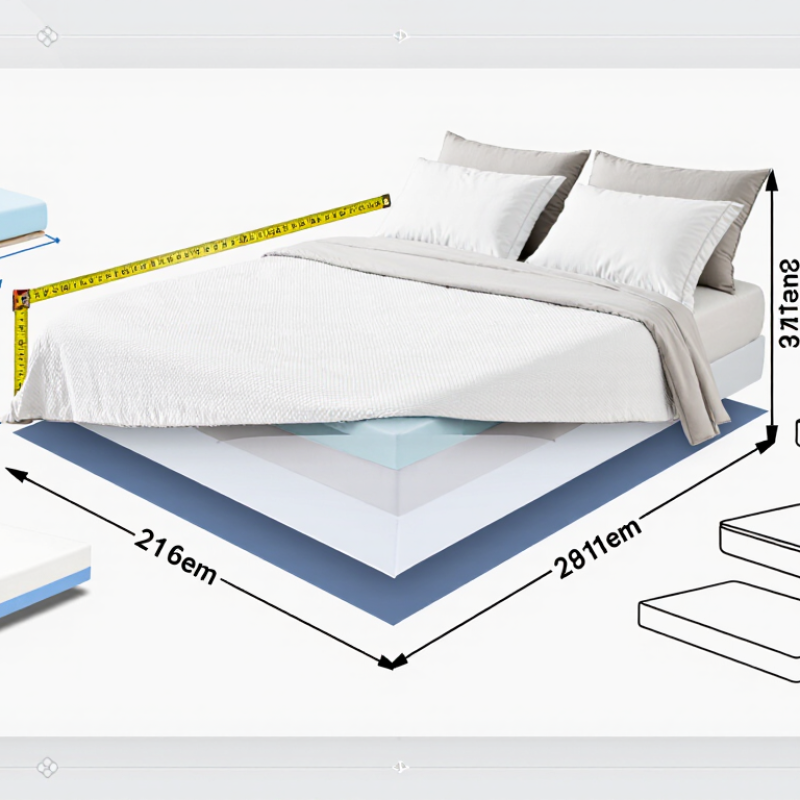
Establish Mattress-to-Bedding Measurements Using ISPA Size Data
Top Bedding Sizes: What Size Bedding Do I Need?
Establish mattress-to-bedding measurements before buying sheets. ISPA’s published mattress-size data lists a Twin at 38 by 75 inches. Twin XL measures 38 by 80 inches. Full measures 54 by 75 inches, while Queen measures 60 by 80 inches. King measures 76 by 80 inches. California King measures 72 by 84 inches. These figures describe the mattress, not the finished sheet. A fitted sheet also needs pocket depth. Measure from the mattress base to its highest surface. Include any topper. Add several inches for compression and movement. Small differences matter.
Flat sheets need more width and length than the mattress. A practical calculation is mattress width plus twice the desired side drop. For example, a Queen with a 15-inch drop needs about 90 inches of width. Allow extra length for tucking. ISPA’s consumer size guidance supports matching bedding to the actual mattress dimensions, while Sleep Foundation’s mattress-dimension data shows why “Queen” is not interchangeable with “King.” Check the package measurements, not only the label. Labels vary by country and manufacturer. I still remeasure after washing because cotton can shrink. That assumption can fail. Deep-pocket sheets may fit the corners but feel loose across the surface. Measure twice. Record width, length, height, and topper thickness before choosing bedding. Sources: International Sleep Products Association mattress-size data; Sleep Foundation mattress-dimension guidance.
Top Bedding Sizes: What Size Bedding Do I Need?
Use standard mattress measurements to select bedding with the correct width and length. Mattress dimensions are shown in inches; bedding should be sized to match the mattress category and accommodate its depth.
Standard mattress dimensions: Twin 38 × 75 in, Twin XL 38 × 80 in, Full 54 × 75 in, Queen 60 × 80 in, King 76 × 80 in, and California King 72 × 84 in. Check mattress depth before purchasing fitted sheets.
Identify U.S. Mattress Sizes: Twin 38×75 to King 76×80 in (ISPA)
Choosing bedding starts with the mattress, not the attractive label on the package. In the United States, standard mattress dimensions are commonly identified through ISPA measurements. A Twin measures 38 × 75 inches, while a Twin XL measures 38 × 80 inches. The extra length matters for taller sleepers.
A Full mattress is 53 × 75 inches. A Queen measures 60 × 80 inches, making it a practical choice for couples who prefer moderate space. A Standard King is 76 × 80 inches. California King sizes are usually 72 × 84 inches, offering more length but less width. Measure carefully.
Your sheets need more than matching length and width. Check the mattress height, including any topper. A deep mattress can push ordinary fitted sheets loose during the night. I learned this after finding a corner pulled up every morning. It was not the sheet quality; the pocket depth was wrong.
Allow a small measurement difference. Manufacturing tolerances exist, and bedding may shrink slightly after washing. Measure from the highest surface to the floor, then compare that result with the fitted sheet’s pocket range. Flat sheets also need enough side coverage for tucking. On a King bed, sharing space changes comfort, so oversized blankets may prevent nighttime tugging. Twin bedding is simpler, but Twin XL requires careful labeling because its width stays unchanged.
Top Bedding Sizes: What Size Bedding Do I Need? — U.S. Mattress Sizes
| U.S. Mattress Size |
Mattress Dimensions
(W × L) |
Mattress Area |
Typical Fitted Sheet Size |
Suggested Flat Sheet Size |
Suggested Comforter or Duvet Size |
Best For |
| Twin |
38 × 75 in
(96.5 × 190.5 cm) |
19.8 sq. ft. |
38 × 75 in
Choose a pocket depth that matches the mattress height. |
66 × 96 in |
68 × 88 in to 70 × 90 in |
Children, teenagers, guest rooms, bunk beds, and compact spaces. |
| Twin XL |
38 × 80 in
(96.5 × 203.2 cm) |
21.1 sq. ft. |
38 × 80 in
Choose a pocket depth that matches the mattress height. |
66 × 102 in |
68 × 90 in to 70 × 92 in |
College dorm rooms, taller sleepers, and narrow guest rooms. |
| Full / Double |
54 × 75 in
(137.2 × 190.5 cm) |
28.1 sq. ft. |
54 × 75 in
Choose a pocket depth that matches the mattress height. |
81 × 96 in |
80 × 90 in to 86 × 90 in |
Single adults, teenagers, and smaller bedrooms. |
| Queen |
60 × 80 in
(152.4 × 203.2 cm) |
33.3 sq. ft. |
60 × 80 in
Choose a pocket depth that matches the mattress height. |
90 × 102 in |
88 × 92 in to 90 × 94 in |
The most common choice for couples and primary bedrooms. |
| King |
76 × 80 in
(193.0 × 203.2 cm) |
42.2 sq. ft. |
76 × 80 in
Choose a pocket depth that matches the mattress height. |
108 × 102 in |
102 × 90 in to 108 × 98 in |
Couples who want maximum sleeping width and larger bedrooms. |
| California King |
72 × 84 in
(182.9 × 213.4 cm) |
42.0 sq. ft. |
72 × 84 in
Choose a pocket depth that matches the mattress height. |
102 × 110 in |
104 × 98 in to 108 × 100 in |
Taller sleepers and bedrooms that can accommodate extra length. |
Bedding measurements are typical size ranges rather than universal standards. Before purchasing, check the product measurements, mattress thickness, fitted-sheet pocket depth, desired side overhang, and whether the bedding is designed for a mattress topper or adjustable bed.
Add California King: 72×84 in, Then Match Bedding Dimensions (ISPA)
Top Bedding Sizes: What Size Bedding Do I Need?
Choosing bedding starts with the mattress, not the label on the package.
For a California King, record 72 × 84 inches before shopping. This size is wider and longer than a standard King. The difference can affect sheet tension and blanket coverage. ISPA mattress dimensions provide a useful reference for comparing mattress sizes. However, bedding measurements are not always identical across manufacturers.
Measure the mattress thickness, including any pillow top or added protector. A deep mattress needs a fitted sheet with enough pocket depth. Otherwise, the corners may slip during the night. For flat sheets, choose extra width and length for comfortable tucking. A duvet or comforter should extend beyond both sides, especially if two people share the bed. Check the listed dimensions in inches, rather than trusting size names alone.
Small details matter. Measure twice. I once assumed a “California King” sheet would fit every 72 × 84 inch mattress. It did not; the pocket depth was too shallow. That mistake was avoidable. Keep your measurements beside the product details, and compare length, width, and depth separately. Washable natural or synthetic fabrics can both work well, but shrinkage deserves attention. A slightly generous fit is often more practical than a tight one. Clearance also depends on mattress height and your preferred drape.
Measure Mattress Depth Before Choosing Fitted-Sheet Pocket Size
Top Bedding Sizes: What Size Bedding Do I Need?
Choosing bedding by mattress length and width is only half the job. Pocket depth decides whether a fitted sheet stays anchored or creeps upward overnight. Sleep Foundation’s mattress-thickness guide places many standard mattresses between 8 and 14 inches deep. Pillow tops, foam layers, and protective pads can add several more inches.
Measure carefully. Remove existing sheets, then place a straight ruler beside the mattress. Measure from the base to the highest sleeping surface. Include any topper you will keep on the bed. Add 2 to 3 inches for comfortable tuck-in space, especially around thick corners. A 12-inch mattress with a 3-inch topper needs a pocket near 15 inches, not 12.
Fit also depends on elastic quality and shrinkage. ASTM International’s F1566 mattress standard addresses mattress dimensions, but it does not create one universal fitted-sheet pocket standard. That gap explains why two “deep pocket” sheets can fit differently. The Better Sleep Council also notes that mattress construction affects perceived height and support. I measure twice, yet I still sometimes forget the protector. That small mistake matters. Check the package’s minimum and maximum pocket range, rather than trusting “universal” wording. A slightly deeper pocket is usually safer than a tight one, but excessive fabric can bunch beneath your shoulders.
Compare Regional and Brand Size Charts Before Final Purchase
Top Bedding Sizes: What Size Bedding Do I Need?
A bedding size chart is only a starting point, not a guarantee. Regional measurements can differ, even when names sound identical. A standard double in one country may not match a double elsewhere. Measure your mattress before ordering. Record its length, width, and depth in centimeters or inches. Do not rely on memory.
Brand charts also deserve careful checking. A fitted sheet may suit the mattress width but fail over a thick pillow-top. Look for pocket depth, elastic coverage, and stated shrinkage after washing. Flat sheets need extra width for mattress height and side tuck. Duvet covers require attention too. Their dimensions should match the insert, not just the bed label. I once chose a cover by size name alone. It looked neat online but left the insert bunched at the foot.
Check the chart on the seller’s current product page. Measurements may change between collections or regions. Compare those figures with your own tape-measure notes. Allow a small tolerance, but avoid guessing when the difference exceeds a few centimeters. Washing instructions matter as well. Cotton can tighten slightly, while blended fabrics may keep their shape better. I still find sizing less predictable than expected, especially with unusually deep mattresses. When unsure, contact customer support and request the finished measurements. Keep screenshots of the chart and your order details before purchase.
Conclusion
Choosing the right bedding begins with matching your mattress measurements to standard size guidelines. In the United States, common mattress dimensions include Twin at 38 × 75 inches, Twin XL at 38 × 80 inches, Full at 54 × 75 inches, Queen at 60 × 80 inches, and King at 76 × 80 inches. California King mattresses are typically 72 × 84 inches, so they require specifically sized sheets and covers. Understanding these measurements is the first step in answering the question, “what size bedding do i need for my mattress?”
Mattress depth is equally important, especially when selecting fitted sheets. Measure from the base to the highest point of the mattress, including any topper, and choose a pocket depth that provides enough room without slipping. Before purchasing, compare the retailer’s regional or product-specific size chart with your measurements, since dimensions and bedding allowances can vary. This simple check helps ensure a comfortable, secure fit for sheets, blankets, duvets, and other bedding essentials.
 DETT TexPro
