DETT TexPro DETT TexPro

What Is the Best Bedding Layering for Sleep Comfort?

Time:2026-10-15 Author:Amelia
0%

A comfortable bed is rarely created by one perfect blanket. It comes from thoughtful layering, breathable materials, and small adjustments during the night. Learning how to layer bedding for better sleep comfort can help you manage warmth, moisture, and changing personal preferences. A practical setup usually begins with a supportive mattress, a fitted sheet, and a light blanket or quilt. Add a duvet only when the room feels cooler. Keep heavier layers easy to remove.

Your sleeping environment matters. Cotton sheets can feel crisp and breathable, while linen often becomes softer with use. Wool and down provide warmth, but they may feel too insulating for hot sleepers. In my experience, a layered bed works best when each piece has a clear purpose. I once used a thick comforter throughout the year and woke up overheated, even during mild weather. That mistake showed me that warmth should be adjustable, not excessive.

Start with fewer layers.

Then test the bed for several nights. Notice whether your feet feel cold, your back feels damp, or the top layer shifts while you sleep. Those details can guide practical changes. Research on sleep environments commonly connects comfortable temperature and reduced disturbance with better rest, although individual responses differ. No bedding formula suits everyone. Room humidity, pajamas, mattress materials, and personal health can change the result. This guide explores reliable layering methods, fabric choices, seasonal adjustments, and common mistakes. It also leaves room for reflection, because comfort is measured in real mornings, not just attractive bedding photographs.
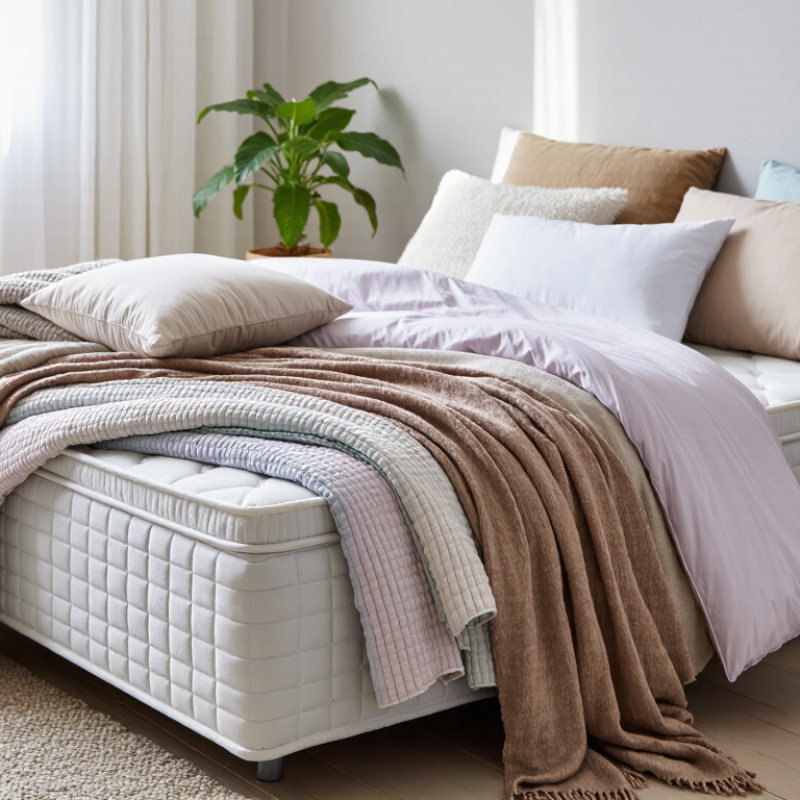
What Is the Best Bedding Layering for Sleep Comfort?

Understanding the Purpose of Each Bedding Layer

A comfortable bed is not one thick blanket. Each layer manages a different sleep need. The fitted sheet protects the mattress and controls skin contact. Choose breathable cotton or moisture-wicking fabric if you wake sweaty. The National Sleep Foundation’s 2012 Bedroom Poll found that 78% of people considered fresh, comfortable bedding important for sleep quality.

The mattress protector adds a washable barrier against moisture, dust, and everyday skin oils. It should fit tightly without changing the mattress’s feel. A thin duvet or comforter provides insulation, while a light blanket allows easier temperature adjustments. The World Health Organization recommends keeping sleeping spaces comfortably cool, although personal temperature needs vary. Layering makes that adjustment practical.

My mistake was treating warmth as the main goal. I once used a heavy comforter, then woke with damp shoulders and cold feet. Not ideal. A better arrangement uses breathable sheets, a responsive blanket, and a removable top layer. The American Academy of Sleep Medicine and Sleep Research Society recommend at least seven hours of sleep for most adults, but bedding cannot repair poor sleep habits. Test one change at a time for several nights. Note sweating, pressure, drafts, and morning comfort. Even a soft top layer may fail if it traps heat or shifts during movement.

What Is the Best Bedding Layering for Sleep Comfort?

Each bedding layer serves a different purpose. The values below show approximate typical thickness or loft, helping illustrate how each layer contributes to support, protection, pressure relief, warmth, or head and neck alignment.

  • Mattress: Provides the primary support foundation.
  • Mattress protector: Helps shield the mattress from moisture, dust, and stains.
  • Fitted sheet: Creates a smooth, breathable sleeping surface.
  • Mattress topper: Adjusts surface softness and relieves pressure.
  • Duvet insert: Adds insulation and warmth.
  • Pillow: Supports the head and helps maintain neutral neck alignment.

Choosing Materials for Temperature and Moisture Control

What Is the Best Bedding Layering for Sleep Comfort?

Choosing bedding materials for temperature and moisture control starts with the layer touching your skin. I prefer a tightly woven cotton percale sheet because it feels crisp and allows steady airflow. Linen can feel even cooler, although its texture may seem rough during the first few washes. It softened gradually for me. That changed quickly.

A breathable mattress protector helps prevent sweat from reaching the mattress without creating a plastic-like surface. Look for a thin design with a cotton or lyocell top and a quiet waterproof backing. Lyocell often feels smooth and handles moisture well, but it can hold warmth when layered too thickly. Material performance depends on room temperature, humidity, and personal sensitivity.

The middle layer should adjust easily. I use a light cotton blanket beneath a loosely filled duvet, rather than one heavy cover. Wool is useful in cooler rooms because it can buffer moisture while retaining warmth. However, wool may feel too warm for people who sleep hot. Polyester fill dries quickly and costs less, but it may trap heat without good ventilation. Keep it simple. I once added too many layers and woke with damp shoulders. Removing one dense blanket solved the problem, though I still question whether the room itself needed better airflow. A washable, breathable top sheet also makes moisture management easier during warmer nights.

Arranging Layers for Balanced Support and Comfort

Comfort depends on how each bedding layer supports the one above it. Start with a stable mattress on a firm, level foundation. A mattress that sinks unevenly can create pressure around the hips and shoulders. Check the surface before adding softer materials. Small gaps often reveal poor support.

Add a thin mattress protector, then choose a topper according to your sleeping position. Side sleepers may prefer gentle cushioning for wider shoulders and hips. Back sleepers often need moderate softness with clear lower-back support. Stomach sleepers usually benefit from less padding. My first setup was too soft, and I woke with a stiff waist. I had mistaken plushness for comfort. The error was obvious at sunrise.

Keep the fitted sheet smooth but not tightly stretched over thick layers. Wrinkles can create distracting pressure points near the knees and ankles. Use a breathable blanket beneath the duvet if nighttime temperature changes. Heavier layers should rest evenly, rather than pressing heavily on the feet. A pillow should continue the alignment created by the mattress. Test one change at a time for several nights. Your body may need time to respond. If pain continues, bedding adjustments should not replace professional medical advice.

Adjusting Bedding for Different Seasons and Sleep Positions

Bedding works best as an adjustable system, not a fixed stack. The National Sleep Foundation recommends a bedroom temperature of 60–67°F (16–19°C) for many adults. That range changes the layering decision. In winter, start with breathable sheets, add a medium blanket, and keep a light throw nearby. This setup traps warmth without creating heavy pressure. Cotton or linen can release heat. Wool adds insulation but may feel too warm for sensitive sleepers. Test one layer at a time.

Sleep position also changes comfort. A 2017 observational study published in Nature and Science of Sleep reported side sleeping as the most common position, followed by back sleeping. Side sleepers usually need a supportive mattress layer and a slightly thicker pillow. This keeps the neck closer to neutral. Back sleepers often prefer a flatter pillow and moderate cushioning. Stomach sleepers may need less loft, although this position can strain the neck. No chart predicts every night perfectly. Bodies change with age, temperature, and stress.

Tips: Use separate blankets if partners sleep at different temperatures. In summer, remove layers before changing the entire bed. Feel your neck and shoulders after waking. If either feels stiff, adjust the pillow or top layer first. I sometimes add warmth too quickly, then sleep poorly. A cooler room and one extra breathable layer often work better. Keep a simple note for three nights, because comfort can be misleading after one night.

Maintaining and Replacing Bedding Layers for Healthy Sleep

What Is the Best Bedding Layering for Sleep Comfort?

Healthy sleep depends on more than choosing soft sheets. A practical bedding system usually includes a breathable sheet, a light blanket, and a warmer layer for colder nights. Add a washable mattress protector beneath the sheet. It helps reduce moisture, skin oils, and dust reaching the mattress. Air it out.

Wash sheets weekly, especially after sweating or during allergy seasons. Follow each item’s care label, because hot water can damage some fabrics. Dry bedding completely before making the bed. Damp layers can trap odors and encourage unwanted microbial growth. Pillows need regular airing, but they also require proper washing or professional cleaning when permitted.

Replace bedding when it stays lumpy, loses support, smells after washing, or causes overheating. A pillow that leaves your neck bent may deserve attention sooner than an old-looking duvet. There is no universal replacement date; material quality, use, and cleaning habits matter. I once kept a flattened pillow because it still looked acceptable. My morning stiffness suggested otherwise. Check mattress protectors for thinning fabric, broken seams, or reduced water resistance. Keep spare layers available, but avoid overcrowding the bed. Too many blankets can restrict movement and raise body temperature. Comfort is personal, yet a cooler, cleaner, adjustable setup often supports more consistent sleep.

What Is the Best Bedding Layering for Sleep Comfort? - Maintaining and Replacing Bedding Layers for Healthy Sleep

Bedding Layer Main Purpose Comfort and Material Guidance Typical Maintenance Practical Replacement Guideline
Mattress Provides the primary support and pressure distribution for the body. Choose a firmness and support level that keeps the spine comfortably aligned and does not create excessive pressure at the shoulders or hips. Rotate only if permitted by the care instructions; check regularly for sagging, lumps, or loss of support. Usually about 7–10 years, or sooner when visible sagging, lasting discomfort, or reduced support affects sleep.
Mattress Protector Helps protect the mattress from moisture, stains, allergens, and everyday wear. Use a breathable, washable protector with a secure fit. A waterproof membrane can improve protection but may feel warmer for some sleepers. Wash approximately every 1–2 months and immediately after spills or accidents, following the care label. Replace when the waterproof layer cracks, the fabric becomes worn, or the protector no longer fits securely.
Mattress Pad or Topper Adds cushioning, surface softness, or a modest change in firmness. Use a washable pad for light cushioning or a topper when more substantial pressure relief is needed. Avoid excessive thickness if it reduces stability or causes overheating. Air out periodically; wash or clean according to the material instructions. Use a cover when available. Often about 2–5 years, depending on compression, material quality, odors, and whether comfort has declined.
Fitted Sheet Creates the main washable sleep surface and keeps the mattress layers in place. Breathable cotton, linen, or moisture-managing blends can improve comfort. Select a pocket depth that fits the complete mattress setup. Wash weekly; wash more often after heavy sweating, illness, or if pets sleep on the bed. Commonly about 2–3 years, or when thinning, pilling, persistent stains, or stretched elastic reduce performance.
Flat Sheet or Lightweight Cover Sheet Adds a washable contact layer and can reduce direct contact with heavier blankets or duvets. Useful for people who prefer a lighter layer or easier temperature adjustment. It may be unnecessary for sleepers who prefer a simpler setup. Wash weekly or whenever it contacts the skin directly and becomes soiled. Usually about 2–3 years, depending on fabric wear, thinning, and laundering frequency.
Blanket or Coverlet Provides flexible warmth between the sheet and the main insulating layer. Choose a lightweight, breathable blanket for adaptable warmth. Layering two light blankets often offers better temperature control than one very heavy blanket. Wash or air according to the care label; clean at least seasonally and after visible soiling. Typically about 3–5 years, or when insulation becomes uneven, fabric weakens, or washing no longer restores freshness.
Duvet or Comforter Provides the main insulation and warmth during sleep. Select a fill weight appropriate for the bedroom temperature and personal preference. A lighter layer is generally easier to adjust than an excessively warm one. Use a washable cover; wash the insert only as directed, commonly once or twice yearly, and air it regularly. Often about 5–10 years, depending on fill type, loft retention, clumping, odor, and fabric condition.
Duvet Cover Protects the duvet or comforter and provides a simple way to change the feel of the bed. Choose a breathable fabric and a closure that keeps the insert evenly distributed. A cover can reduce the frequency of washing the heavier insert. Wash every 1–2 weeks, or more often when used without a top sheet or when exposed to sweat, body oils, or pets. Usually about 2–5 years, depending on fabric strength, laundering, fading, and closure function.
Pillows Support the head and neck while maintaining a comfortable sleeping position. Select height and firmness according to sleeping position, shoulder width, and personal comfort. Side sleepers often need more height than stomach sleepers. Use a washable pillow protector; wash or clean according to the fill instructions. Fluff and air pillows regularly. Generally about 1–2 years for many fiber or foam pillows; replace sooner when support, shape, or cleanliness cannot be restored.
Pillowcase Provides a washable surface for the face and hair while protecting the pillow. Soft, breathable fabric can improve comfort. A properly sized case helps prevent bunching and uneven support. Wash weekly; wash more often with frequent sweating, oily skin, allergies, or illness. Often about 1–2 years, or when fabric becomes rough, thin, stained, or loses its shape.

Maintenance and replacement periods are practical averages rather than fixed rules. Always follow the specific care label, and adjust the number of layers to bedroom temperature, humidity, sleep position, and individual comfort. Wash bedding more frequently when there is heavy sweating, illness, allergies, or pet contact.

FAQS

What is the purpose of each bedding layer?

The fitted sheet touches your skin and protects the mattress. A mattress protector blocks moisture, dust, and skin oils. A blanket adjusts warmth, while a duvet adds insulation.

Which sheet materials help control heat and moisture?

Cotton percale feels crisp and supports airflow. Linen can feel cooler but may feel rough initially. It softens after washing. Personal comfort still varies.

How can I prevent sweating at night?

Use breathable sheets and a thin mattress protector. Try a light blanket beneath a removable duvet. Avoid stacking dense layers. I learned that unpleasantly.

Is one heavy comforter better than several lighter layers?

Not always. Several lighter layers allow easier temperature changes. Remove one layer when your shoulders feel damp. A heavy comforter may trap heat while your feet remain cold.

How should bedding support different sleeping positions?

Side sleepers may need cushioning around their shoulders and hips. Back sleepers often need moderate softness and lower-back support. Stomach sleepers usually benefit from less padding.

What should I check before adding a soft topper?

Check whether the mattress sits evenly on a firm, level foundation. Uneven sinking can create pressure around the hips and shoulders. More softness may hide the problem, not fix it.

How can I arrange bedding for better comfort?

Place the protector over the mattress, then add the topper. Keep the fitted sheet smooth without stretching it excessively. Wrinkles near the knees or ankles can become distracting pressure points.

How do I know whether a bedding change works?

Change one layer at a time for several nights. Record sweating, drafts, pressure, and morning comfort. Your body may respond slowly. My judgment is not perfect.

Can bedding solve poor sleep or continuing pain?

Bedding can improve temperature control and physical comfort. It cannot replace regular sleep habits. Persistent pain needs professional medical attention.

Conclusion

Creating a comfortable bed starts with understanding the purpose of each layer. A breathable mattress protector helps guard against moisture, while a supportive sheet, insulating blanket, and adjustable top layer work together to regulate temperature and improve comfort. When considering how to layer bedding for better sleep comfort, choose materials according to your personal needs: lightweight, moisture-wicking fabrics can help hot sleepers, while warmer natural or blended textiles may suit those who often feel cold. Layering should provide gentle support without creating excessive weight or heat.

Bedding can also be adjusted for the season and sleeping position. Side sleepers may prefer softer cushioning, while back or stomach sleepers often benefit from a flatter, more stable arrangement. In warmer months, remove heavy layers and use breathable covers; in colder weather, add insulation gradually rather than relying on one bulky layer. Regularly wash and air bedding, check for flattened or damaged materials, and replace layers when they no longer provide cleanliness, support, or temperature control.

Amelia

Amelia

Amelia is a seasoned marketing professional with a wealth of expertise in our company’s core offerings. With an unwavering passion for driving growth and innovation, she plays a pivotal role in shaping our marketing strategies and enhancing brand visibility. A key aspect of her responsibilities......