DETT TexPro DETT TexPro

What Is the Best Bedding Material to Prevent Allergies?

Time:2026-09-10 Author:Henry
0%

Choosing bedding for allergy relief is not simply a matter of picking the softest fabric. Fibers, weave density, moisture retention, and washing habits can all influence exposure to dust mites, mold, and trapped skin flakes. This guide examines how to prevent allergies from bedding materials through practical, evidence-informed choices.

Allergist Dr. William E. Berger has emphasized, “The best way to treat an allergy is to avoid the allergen.” That principle applies directly to pillows, mattresses, duvets, and sheets. Tightly woven covers can create a physical barrier against dust mites. Washable cotton or synthetic bedding may also help, especially when cleaned regularly in hot water. However, material alone cannot solve every problem. A breathable fabric may reduce dampness, yet poor room ventilation can still encourage microbial growth. No bedding is perfect.

Small details matter. A pillowcase that feels dry in the morning is useful evidence. A musty smell deserves attention. Bedding should be fully dried, not left slightly damp inside a machine or laundry basket. Hypoallergenic labels can guide shoppers, but they are not universal guarantees. Marketing language is sometimes vague. Check construction, washing instructions, and independent medical guidance before buying.

People with asthma, eczema, or persistent nighttime symptoms should seek advice from a qualified healthcare professional. Personal experience can reveal patterns, but it cannot replace allergy testing. The best choice may involve several changes: protective encasements, regular laundering, lower bedroom humidity, and fewer dust-catching fabrics. The process requires observation, adjustment, and some humility. What works for one sleeper may disappoint another.
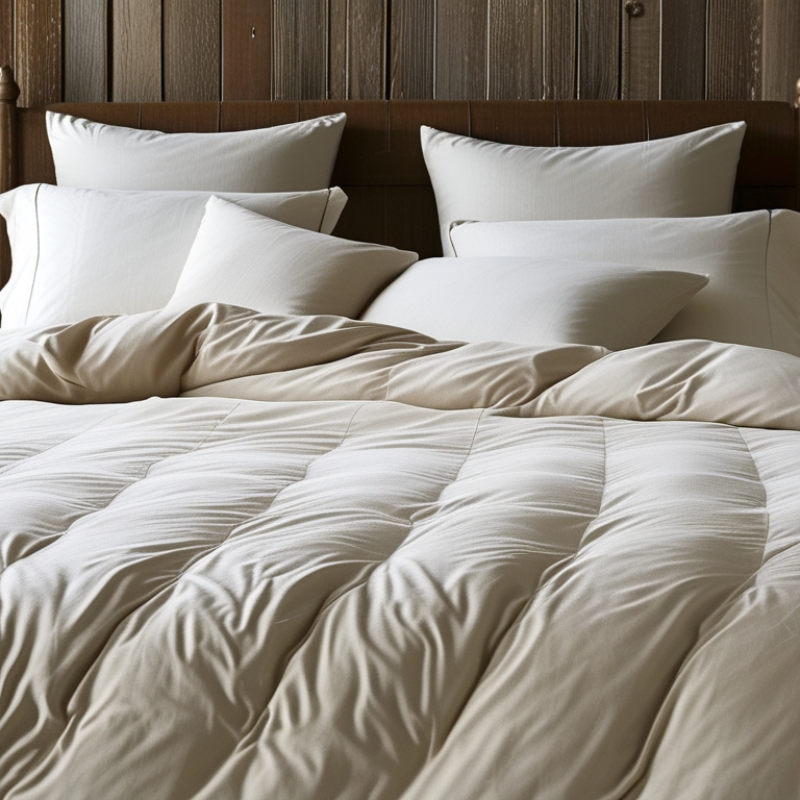
What Is the Best Bedding Material to Prevent Allergies?

How Bedding Materials Affect Allergy Symptoms

What Is the Best Bedding Material to Prevent Allergies?

Bedding material can influence allergy symptoms, but it is rarely the only cause. Dust mite allergens often collect in mattresses, pillows, and blankets, especially when fabric holds moisture. A breathable, tightly woven material may reduce buildup by drying faster and limiting particle movement. Cotton, linen, and some synthetic fabrics can work well when washed regularly. The label alone is not enough. That assumption was too simple.

From a practical perspective, washable bedding matters more than a fashionable fiber. Sheets that tolerate regular hot washing can remove allergens more effectively, although care labels and skin tolerance still matter. Smooth, dense fabric may feel less irritating than loose, fuzzy textiles. Yet “natural” does not automatically mean allergy-friendly. Wool, down, or textured materials can trap particles or trigger sensitivity in some sleepers. I once focused on softness and ignored cleaning frequency. That was a mistake.

A balanced setup includes tightly woven pillow and mattress covers, low indoor humidity, and weekly sheet washing. Keep blankets dry, and replace pillows when they stay damp or lose shape. If symptoms continue, bedding may not be the real source. Pets, pollen, mold, or poor ventilation could be involved. Allergy symptoms vary, so change one material at a time. It is not a perfect test. A clinician can help assess persistent or severe reactions.

Key Features of Hypoallergenic Bedding

What Is the Best Bedding Material to Prevent Allergies?

Hypoallergenic bedding should limit dust, moisture, and trapped skin flakes. Tightly woven cotton is breathable and easier to wash frequently. Bamboo-derived fabrics can feel cool, but their allergy benefits depend on processing and fabric construction. No material removes every allergen.

In my experience, the weave matters as much as the fiber. A smooth, dense cover leaves fewer spaces for dust mites to settle. Choose washable pillows, mattress covers, and duvets with secure zippers. Wash bedding weekly in hot water when the care label allows it. Dry everything completely, because damp fabric can develop an unpleasant smell and encourage mold growth. I once focused only on fabric labels and overlooked the pillow insert. That was a useful mistake. Materials marketed as “natural” are not automatically safer for sensitive sleepers.

Tips: Choose low-fragrance bedding with a tight weave. Use allergen-resistant encasements for pillows and mattresses. Keep bedroom humidity moderate with ventilation or a dehumidifier. Replace damaged covers, even if they still look clean. Check care instructions before buying, since bedding that cannot be washed properly may undermine its claimed benefits. If symptoms continue, discuss them with a qualified healthcare professional, because bedding may not be the only trigger.

Comparing Cotton, Wool, Bamboo, and Synthetic Fabrics

What Is the Best Bedding Material to Prevent Allergies?

Cotton, wool, bamboo, and synthetic fabrics each manage allergens differently. The fabric alone is not a complete solution. Dust mites prefer warm, humid bedding, especially when moisture remains after sleep.

Cotton is breathable, widely available, and usually easy to wash at high temperatures. Its main weakness is absorbency. Damp cotton can hold skin flakes and moisture if it dries slowly. Wool naturally manages humidity and may feel less clammy overnight. However, wool can irritate sensitive skin, and some people react to residual lanolin. It is not automatically hypoallergenic.

Bamboo fabric often feels smooth and cool, but most bamboo bedding is processed into rayon. That label should not be treated as proof of allergy protection. Synthetic fabrics, such as polyester, dry quickly and resist shrinking. Yet they may feel warm and trap body heat for some sleepers. I once assumed “synthetic” meant easier allergy control, but washing habits mattered more than the fiber in practice. A clean, dry cover beat an expensive material.

Tips: Choose tightly woven covers with zippers, and wash sheets weekly. Use hot water only when the care label allows it. Dry everything completely before making the bed. Keep bedroom humidity near 30–50 percent, and inspect seams where dust collects. If wool causes itching, switch materials instead of forcing the choice. Sleeping comfort is part of allergy control too.

Choosing the Best Bedding Material for Different Allergies

The best bedding material depends on the allergy involved. For dust-mite allergies, tightly woven cotton or microfiber can limit mite and allergen buildup. Choose washable sheets, mattress covers, and pillow protectors with small pores. Wash them weekly in hot water, if the care label allows. Dry everything completely.

Dust matters most here.

People sensitive to mold should focus on moisture control. Choose breathable cotton, linen, or moisture-wicking fabric that dries quickly. Avoid bedding that stays damp after sweating, especially in poorly ventilated rooms. Replace pillows when they remain musty or develop visible mold. Washing alone may not remove every problem.

For pollen allergies, smooth, machine-washable fabrics are practical. Cotton and polyester blends collect less outdoor debris than textured materials. Keep bedding away from open windows during high-pollen periods, and shower before sleep when pollen counts rise.

Those with eczema or contact sensitivity may prefer plain cotton without added fragrance, harsh dyes, or rough fibers. Wool can feel warm, but its coarse surface may irritate reactive skin. Silk feels gentle, yet it usually requires more careful cleaning.

A common mistake is buying expensive “hypoallergenic” bedding without checking maintenance instructions. Material labels are not guarantees. Personal reactions differ, and I would test one new item at a time. Persistent wheezing, swelling, or severe skin irritation needs medical advice, not a bedding change alone.

Care Practices That Keep Bedding Allergy-Friendly

What Is the Best Bedding Material to Prevent Allergies?

Care Practices That Keep Bedding Allergy-Friendly

Tightly woven cotton and washable synthetic fabrics can both support allergy control. However, regular care often matters more than the fiber itself. Wash sheets, pillowcases, and blankets weekly, using the hottest setting the care label allows. A temperature near 54°C can help reduce dust mites, but not every fabric can tolerate it. Check the label carefully.

Dry bedding completely before making the bed. Slightly damp fabric can encourage unpleasant odors and microbial growth. Use allergen-resistant covers on mattresses and pillows. They should close securely and remain intact after washing. Vacuum the mattress surface slowly, especially around seams. Clean bedroom floors with a vacuum that has effective filtration.

Keep indoor humidity between 30% and 50% when possible. A small humidity meter gives a more reliable reading than guessing. Avoid shaking bedding indoors, since dust can become airborne. Instead, place used linens directly into a laundry basket with a washable liner.

I once assumed frequent washing solved everything. It did not. An old pillow, dusty curtain, or crowded bedroom can still trigger symptoms. Replace flattened pillows when they no longer wash well, and inspect covers for tiny tears. If itching, wheezing, or congestion continues, seek advice from a qualified healthcare professional. Different allergies need different solutions.

FAQS

: What bedding material is best for allergy-sensitive sleepers?

: Tightly woven cotton is a practical choice because it breathes and washes easily. No fabric removes every allergen. The weave may matter as much as the fiber.

Is bamboo bedding automatically hypoallergenic?

No. Bamboo-derived fabric can feel cool and smooth, but processing affects its properties. A bamboo label alone does not prove allergy protection. Check the fabric construction and washing instructions.

Can wool reduce moisture in bedding?

Wool can manage humidity and feel less damp overnight. However, it may irritate sensitive skin or trigger reactions to residual lanolin. Comfort still matters.

Are synthetic fabrics suitable for allergy control?

Synthetic fabrics often dry quickly and resist shrinking. Some sleepers may find them warm or less breathable. Fast drying helps, but washing habits remain important.

How often should allergy-sensitive bedding be washed?

Wash sheets weekly when possible. Use hot water only when the care label allows it. Dry every item completely before making the bed.

What bedding parts should be protected?

Use tightly fitted encasements for pillows and mattresses. Choose secure zippers and inspect seams where dust may collect. Replace covers with damaged fabric, even when they look clean.

What bedroom conditions may help reduce bedding allergens?

Keep humidity near 30–50 percent with ventilation or a dehumidifier. Moderate humidity may make the room less comfortable for dust mites. Damp bedding is a warning sign.

What common mistake can worsen allergy control?

Focusing only on the outer fabric can be misleading. The pillow insert, seams, and drying routine matter too. I once missed the pillow insert.

What should someone do if symptoms continue?

Review the bedding, laundry routine, humidity, and possible non-bedding triggers. If symptoms continue, consult a qualified healthcare professional. Bedding may not be the only cause.

Conclusion

The right bedding material can play an important role in reducing allergy symptoms by limiting dust mites, trapped moisture, pet dander, and other irritants near the face. Hypoallergenic bedding should be breathable, moisture-resistant, tightly woven, and easy to wash. Cotton is comfortable and washable, while wool naturally regulates temperature and resists moisture, although it may not suit people sensitive to animal fibers. Bamboo can offer softness and breathability, but its allergy-friendliness depends on the finished fabric. Synthetic materials are often affordable and quick-drying, though some may retain heat or irritate sensitive skin.

Choosing bedding should depend on the specific allergy: tightly woven fabrics may help block mites, breathable materials can reduce dampness, and smooth surfaces may collect less dust. To understand how to prevent allergies from bedding materials, wash sheets regularly in hot water when appropriate, dry them completely, use protective covers for pillows and mattresses, and keep bedrooms clean and well ventilated. Replacing worn bedding and avoiding excessive indoor humidity can further support an allergy-friendly sleeping environment.

Henry

Henry

Henry is a dedicated marketing professional with a profound expertise in the company's offerings. With years of experience in the industry, he possesses an impressive understanding of the market dynamics and consumer behaviors that drive success. Henry is committed to sharing his insights through......