Understanding bedding options is essential for a good night's sleep. The two main types of sheets are fitted sheets and flat sheets. But what is the difference between fitted sheet and flat sheet? Industry expert Dr. Emily Carter, a textile researcher, emphasizes, "Fitted sheets offer snugness, while flat sheets provide versatility."
Fitted sheets are designed with elastic edges. They wrap around your mattress, holding firmly in place. This design prevents slipping during the night. On the other hand, flat sheets are cut straight and lack elastic. They can be tucked in or used as a light cover.
Each type serves a different purpose in bedding. Using a flat sheet can also allow for easy washing. However, fitted sheets often provide a neater look. The choice between them can reflect personal comfort and style. Many people might overlook these details, but they significantly influence sleep quality. Understanding the nuances can lead to better bedding decisions.
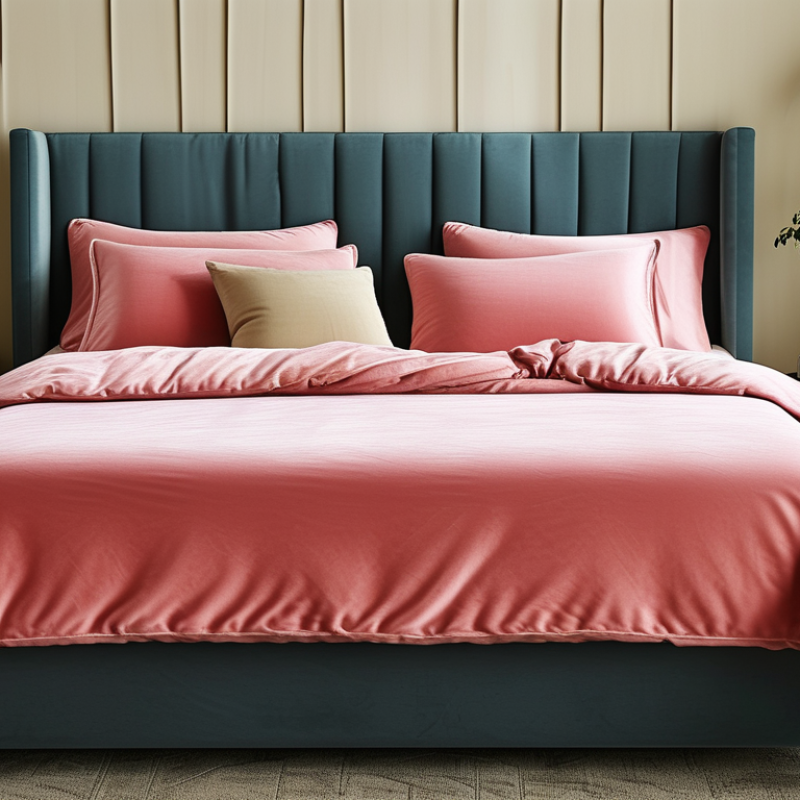
Understanding the Basics: Fitted Sheets vs Flat Sheets
When it comes to bedding, understanding fitted sheets and flat sheets is essential. Fitted sheets have elastic corners, allowing them to hug the mattress tightly. This keeps the sheet in place, providing a smooth surface for sleep. In contrast, flat sheets are rectangular pieces of fabric. They can lay on top of the fitted sheet or be tucked under the mattress. This gives more versatility in bed-making.
Choosing between these sheets can be tricky. Fitted sheets can sometimes feel snug, especially on thicker mattresses. They may not fit properly if your mattress has a unique shape. Flat sheets, while easy to fold and store, require more effort to keep neat. They can also bunch up during the night, leading to discomfort. You need to consider your sleeping habits and preferences.
Both sheet types have their pros and cons. Some people prefer the ease of fitted sheets, while others like flat sheets for layering. It's worth a try to see what suits your needs best. Bedding choices reflect personal comfort and relaxation, which are subjective. There is no definitive answer to which is better; it truly depends on the individual.
Defining Fitted Sheets: Characteristics and Uses
Fitted sheets are designed to transform your sleeping experience. They have elasticated edges that allow them to hug the mattress snugly. This feature prevents the sheet from shifting or bunching up during the night. As a result, you wake up without the hassle of adjusting your bedding. Fitted sheets provide a clean, tailored look. Their ease of use makes them a popular choice for individuals and families alike.
One common challenge with fitted sheets is finding the right size. Mattresses come in various depths, which can complicate the selection. A poorly fitting sheet may lead to discomfort and sleepless nights. It's crucial to measure your mattress correctly. Additionally, the fabric type can impact comfort. Cotton offers breathability, while microfiber sheets are soft and lightweight. Each material serves different preferences.
Not all fitted sheets perform equally. Some may lose their elasticity over time, making them less effective. Regular washing can also wear them down. This leads to the question of durability and longevity. Paying attention to quality is essential. Overall, fitted sheets enhance sleep quality but require mindful choices and care.
Exploring Flat Sheets: Features and Benefits
Flat sheets are essential bedding items, offering various features and benefits that enhance sleep quality. They are typically used as a top layer, providing a barrier between the sleeper and blankets. According to a recent report from the Sleep Foundation, quality bedding can improve sleep by up to 20%. This highlights the impact of selecting the right flat sheet.
One notable aspect of flat sheets is their versatility. They can be used in multiple ways—covering the mattress, layering for warmth, or even as lightweight bedspreads during warmer months. A study by Mattress Advisor indicates that nearly 75% of consumers prefer using flat sheets for their adaptability. However, maintaining them can be challenging; they often become wrinkled or require frequent washing due to dirt accumulation. This is an aspect that can contribute to dissatisfaction, reminding users of the ongoing need for care.
Additionally, flat sheets offer a degree of breathability, which is crucial for sleep comfort. Fabrics like cotton often perform well in regulating temperature. However, not all materials provide the same comfort level. A survey found that around 60% of respondents reported discomfort due to poor-quality fabric selection. This suggests that consumers need to be mindful when choosing their flat sheets.
Comparing Fitted and Flat Sheets: Key Differences
When choosing bed sheets, understanding the difference between fitted and flat sheets is essential. Fitted sheets have elastic corners that hug the mattress. They stay in place during sleep, preventing the annoyance of shifting fabric. This feature is perfect for restless sleepers. Meanwhile, flat sheets are simply rectangular pieces of fabric that lay on top of the mattress. They offer versatility, serving as a light cover or protective layer.
Fitted sheets are typically more tailored, designed for use with specific mattress sizes. They come in various materials, including cotton, microfiber, and linen. Flat sheets can also be made from these materials, providing breathability and comfort. One may prefer the crisp feel of a flat sheet, while others love the snug fit of a fitted version. Yet, some find fitted sheets challenging to clean and fit back on the mattress after washing.
In terms of care, flat sheets are easier to manage. They can be folded neatly and stored compactly. However, this simplicity comes with the need for frequent tucking and adjustments. Fitted sheets, though easy to put on, can lead to frustration if they don't fit well. It's important to consider your sleeping habits and preferences when choosing between the two. Both types serve their purpose and can enhance the quality of sleep.
2026 Best Fitted Sheet vs Flat Sheet: Key Differences
The chart below illustrates the primary differences between fitted sheets and flat sheets based on various consumer preferences and usage scenarios.
Choosing the Right Sheet: Factors to Consider for Your Needs
When choosing between fitted sheets and flat sheets, several factors can influence your decision. Fitted sheets hug the mattress tightly, preventing them from slipping off during the night. They come with elastic edges that provide a snug fit. This is particularly beneficial for restless sleepers. Flat sheets, on the other hand, offer versatility. They can be used as a top sheet or a lightweight blanket.
Consider your sleeping habits. If you frequently toss and turn, a fitted sheet may be a better option for you. However, flat sheets might appeal to those who prefer layering. Layering can add comfort and warmth during colder months. Additionally, think about maintenance. Fitted sheets can be tricky to fold neatly. Flat sheets are generally easier to manage, which could save you time.
Material also plays a significant role in your selection. Cotton sheets are breathable and soft, making them a popular choice. Bamboo sheets, however, are known for their cooling properties. If you tend to sleep hot, consider this option. Reflect on your personal comfort preferences and lifestyle, as these factors will affect your overall sleeping experience.
FAQS
: Fitted sheets are designed to hug the mattress snugly. They prevent shifting during sleep.
A poorly fitting sheet may cause discomfort. Accurate mattress measurements are essential for a good fit.
Fitted sheets have elastic corners; flat sheets are just rectangular fabric. Fitted sheets stay in place better.
Fitted sheets can be made of cotton, microfiber, or linen. Each material offers different levels of comfort.
Fitted sheets can be tricky to clean and refit after washing. Careful handling can enhance their lifespan.
Restless sleepers may prefer fitted sheets. Layering with flat sheets can offer comfort for others.
Flat sheets are versatile and easier to fold. They can be used as a cover or lightweight blanket.
Cotton sheets are breathable, while bamboo may keep you cooler. Understand your comfort needs to make a choice.
No, some lose elasticity over time. Quality matters for longevity; regular washing can reduce their effectiveness.
Conclusion
The article titled "2026 Best Fitted Sheet vs Flat Sheet What is the Difference" explores the fundamental distinctions between fitted and flat sheets, essential components of bedding. It begins by outlining the primary characteristics of fitted sheets, which are designed to fit snugly over a mattress, featuring elasticized corners that keep them securely in place. In contrast, flat sheets are more versatile; they can be used as a top covering or as a base layer beneath blankets and comforters.
By comparing the two types, the article highlights key differences such as fit, purpose, and usability. It also offers guidance on how to choose the right sheet based on individual preferences and sleeping habits. Ultimately, understanding what is the difference between fitted sheet and flat sheet assists consumers in making informed decisions tailored to their needs, emphasizing comfort and functionality in their bedding choices.
 DETT TexPro
