DETT TexPro DETT TexPro

10 Best Tips on How Often Should You Replace Bed Sheets?

Time:2026-07-27 Author:Charlotte
0%

When considering how often should you replace bed sheets, it’s crucial to understand the impact on your health and comfort. Fresh sheets contribute to a restful sleep and overall well-being. Over time, sheets accumulate dust, allergens, and bacteria. Regularly changing them can significantly lessen these irritants.

Many experts recommend changing sheets weekly, especially if you sweat during the night or have pets. However, some people may hesitate. They might think their sheets look clean or feel cozy. This mindset can detract from healthy practices. Another factor to consider is the fabric quality. High-thread-count sheets might not need changing as frequently.

Reflecting on your personal habits is valuable. How often do you wash your sheets? Are you sleeping comfortably? Taking these questions into account can guide your approach. Ultimately, understanding how often should you replace bed sheets is not just about a timeline; it’s about making informed choices for a healthier sleep environment.
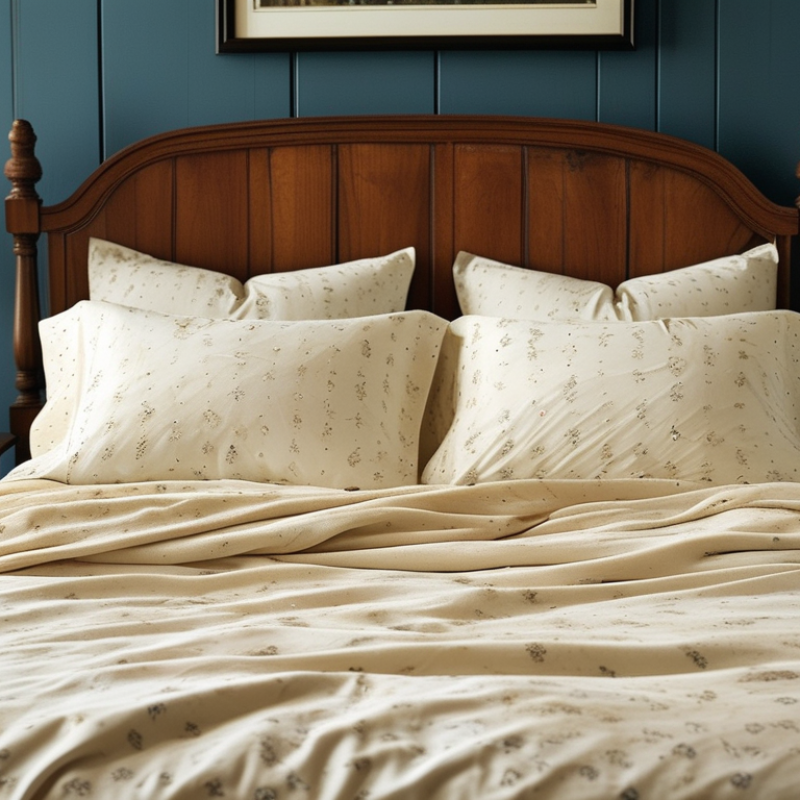
10 Best Tips on How Often Should You Replace Bed Sheets?

Factors Influencing the Frequency of Bed Sheet Replacement

When it comes to replacing bed sheets, several factors play a crucial role. Personal habits significantly influence how often you should change your sheets. If you sweat during the night or sleep with pets, more frequent changes are necessary. It is also essential to consider allergies. Dust mites accumulate over time, worsening allergy symptoms. For allergy sufferers, changing sheets weekly is advisable to reduce irritants.

Another aspect to consider is the season. In summer, increased perspiration and heat can lead to odor. Thus, changing bed sheets every four to five days may be ideal. In colder months, you may feel comfortable keeping them for longer. However, don’t let comfort result in neglect. Regular maintenance ensures a hygienic sleep environment.

Here are some practical tips: aim to wash your sheets every week. Use hot water to effectively eliminate germs. Rotate your sheets regularly, providing each set time to rest. This practice can extend their lifespan. Your bedding choice also matters. Opt for breathable fabrics if you tend to overheat at night, as this can impact how often you need replacements.

Recommended Frequency Based on Lifestyle and Hygiene Needs

Understanding how often to replace bed sheets can greatly enhance your sleep hygiene. Recommended frequency often depends on your lifestyle. For instance, if you live an active life or sweat during sleep, washing your sheets once a week is ideal. This practice minimizes bacteria that can thrive on fabric. For those with less activity, changing sheets every two weeks can suffice.

Consider your personal habits too. If you have pets, extra washing is beneficial. Pet dander can lead to allergies, affecting your sleep quality. Keeping your sheets clean ensures a fresh environment. Sheets should also be changed immediately if you experience illness. Germs linger longer on fabric than on hard surfaces.

Take note of your skin type as well. People with sensitive skin may prefer weekly changes to prevent irritation. Your sheets can collect oils and dead skin cells. Regular cleaning will help to maintain a healthier sleeping space. It’s essential to find a routine that suits your lifestyle, no matter the frequency. Listen to your body and adjust as needed.

How to Determine the Right Time to Change Your Bed Sheets

Changing your bed sheets regularly is key for a healthy sleep environment. Dust mites, skin cells, and sweat can accumulate over time. This buildup can aggravate allergies and skin conditions. Therefore, knowing how often to replace them is crucial.

Consider changing your sheets weekly if you sleep with pets or sweat a lot. If you frequently face allergies, this is also a good practice. However, changing sheets every two weeks might suffice for those who don’t experience these issues. Pay attention to your personal hygiene and lifestyle. If you’re sick or have been traveling, it’s wise to wash your sheets immediately upon return.

The decision also depends on the material of the sheets. Natural fibers often accumulate dirt more quickly than synthetic ones. Take time to inspect your sheets for stains or odors. These can signal that it’s time for a wash. Prioritizing cleanliness in your bedding will enhance your sleep quality. Regular maintenance can prevent a build-up of unpleasant remnants.

Materials and Their Impact on Sheet Longevity

When considering sheet longevity, material plays a crucial role. Cotton is popular due to its breathability and durability. A study from the Sleep Foundation indicates that high-quality cotton sheets can last up to five years with proper care. However, cheaper cotton blends may begin to fray within a year.

Microfiber sheets are another option. They are affordable and resistant to wrinkles and fading. Yet, they typically last less than four years. Their synthetic fibers can trap heat, which might affect sleep quality. Thus, weigh the pros and cons based on your comfort and longevity needs.

Bamboo sheets have risen in popularity recently. They are known for being hypoallergenic and moisture-wicking. Data suggests they can endure about three to four years, provided you wash them carefully. Users often report a soft and smooth feel, which enhances sleep. Still, their susceptibility to fading over time should be noted. Considering these aspects will help you make informed choices about replacing your bed sheets.

10 Best Tips on How Often Should You Replace Bed Sheets?

Signs That Indicate It's Time to Replace Bed Sheets

Replacing bed sheets regularly is vital for maintaining good hygiene. It’s recommended to change sheets every 1-2 weeks. However, many people overlook this simple task. A study found that over 80% of adults fail to change their sheets frequently enough. This can lead to hidden dangers lurking in your fabric.

Signs that indicate it's time to replace bed sheets include persistent odors. If your sheets smell musty, they need replacing. Another indicator is visible stains. These can come from sweat, oils, or spills. According to a survey, nearly 10% of people have admitted to sleeping on stained sheets. Dust mites thrive in dirty bedding, which can lead to allergies and skin irritations. A report shows that dust mites can double in number if sheets are left unchanged for weeks.

Check for wear and tear, too. Faded colors or fraying edges mean your sheets have outlived their usefulness. The National Sleep Foundation recommends investing in quality sheets that last longer. Yet, many prioritize price over durability. A truly effective sleeping environment requires attention to these details. Ignoring the signs may cost you comfortable and healthy nights.

FAQS

: How often should I change my bed sheets?

: It’s best to change them every 1-2 weeks for good hygiene.

What should I do if I sleep with pets?

Change your sheets weekly to reduce allergens and dirt.

Are there signs that indicate my sheets need replacing?

Yes, persistent odors and visible stains are key indicators.

Can I wait longer than two weeks to change sheets?

It’s not advisable, as dirt and dust mites can accumulate quickly.

What happens if I don’t change my sheets regularly?

You may experience allergies and skin irritations from dust mites.

Does the material of my sheets affect how often I should wash them?

Yes, natural fibers tend to accumulate dirt faster than synthetic ones.

How can I tell if my sheets are worn out?

Check for faded colors or fraying edges as signs of wear.

Is it important to wash sheets if I've been sick?

Yes, wash them immediately upon return to maintain a healthy sleep environment.

Why do many people forget to change their sheets?

Lack of awareness or prioritization often leads to overlooking this task.

How can I improve my sleep quality related to bedding?

Regularly maintain cleanliness in your bedding to enhance sleep quality.

Conclusion

When considering how often should you replace bed sheets, several factors come into play, including personal hygiene needs and lifestyle habits. Regular changes are recommended to maintain a clean sleeping environment and can vary based on factors like allergies, skin sensitivity, and overall health. Generally, experts suggest changing sheets every one to two weeks, but individuals who sweat heavily or have pets might need to do so more frequently.

Additionally, the materials used in bed sheets can affect their longevity, with higher quality fabrics often lasting longer. It's essential to recognize signs that it's time to replace your sheets, such as persistent odors, visible wear and tear, or discomfort while sleeping. By understanding these elements, you can make informed decisions about how often you should replace bed sheets for optimal comfort and hygiene.

Charlotte

Charlotte

Charlotte is a seasoned marketing professional with a deep understanding of the company's portfolio and a passion for elevating its presence in the market. With a keen eye for detail and a commitment to excellence, she ensures that our professional blog is regularly updated with insightful articles......