DETT TexPro DETT TexPro

How to Choose Bedding Colors that Match Your Bedroom Decor?

Time:2026-06-29 Author:Henry
0%

Choosing the right bedding colors can significantly impact your bedroom’s ambiance. When considering how to match bedding colors with bedroom decor, it’s essential to blend aesthetics with functionality. Renowned interior designer Laura Williams advises, “The right colors can transform a space and define its mood.”

Keep in mind that bedding is often a focal point in the room. If your walls are painted in soft pastel hues, vibrant bedding may create a delightful contrast. However, too many clashing colors can generate visual chaos. Sometimes, the best choice is to stick with a monochromatic palette for a calming effect.

Understanding how to match bedding colors with bedroom decor requires more than just color theory. It’s about balancing textures and patterns, too. Consider different materials and their impact on light. A silk duvet may appear sleek while a cotton throw adds texture. Remember, your choices reflect your personality. It's easy to overthink it, but comfort should always come first. Strive for a cohesive look without losing the essence of your style.
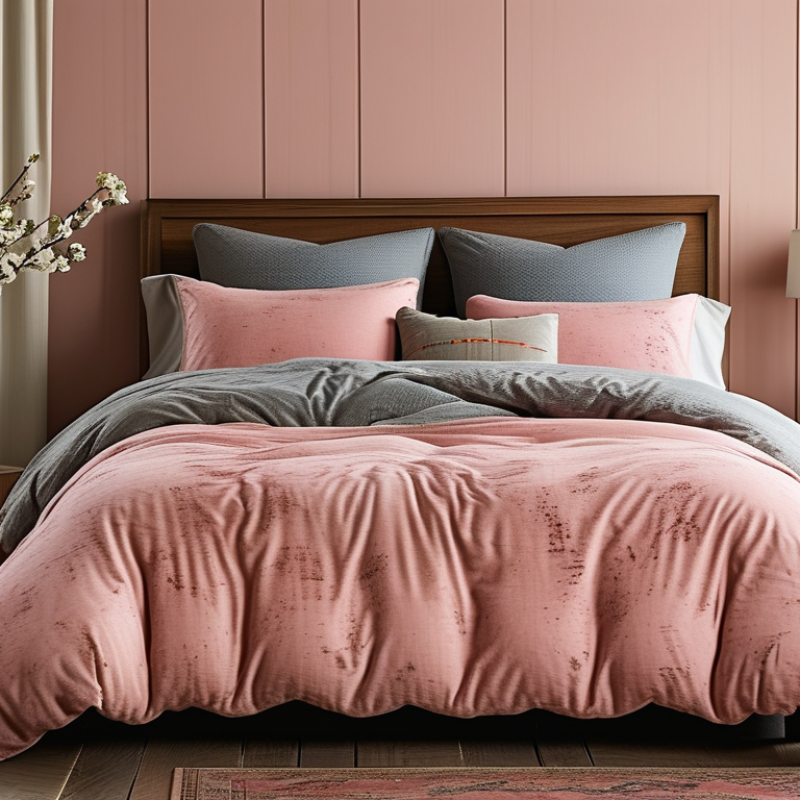
How to Choose Bedding Colors that Match Your Bedroom Decor?

Understanding Color Theory in Interior Design

Choosing the right bedding colors can enhance your bedroom’s aesthetic. Understanding color theory is essential for creating a cohesive look. Colors evoke emotions and set the mood for a space. Warm tones, like reds and oranges, create energy. Cool tones, such as blues and greens, promote calmness.

Consider the color wheel. Complementary colors sit opposite each other and create dynamic contrasts. For instance, pairing a soft blue bedspread with orange accents can add pop and vibrancy. Analogous colors, found adjacent to each other, offer a harmonious look. This can be seen in shades of green and yellow—perfect for a peaceful ambiance.

Tips for choosing bedding colors include sampling swatches in your room’s lighting. Observe how they change throughout the day. Don't be afraid to mix patterns, but keep a unifying color in mind. This keeps the design cohesive yet interesting. A well-balanced mix of textures can also elevate your bedroom decor. Remember, sometimes the best designs come from trial and error. Embrace imperfections and allow your space to evolve.

Bedding Colors and Their Popularity Among Bedroom Decor Styles

Identifying Your Bedroom's Primary Color Palette

Choosing bedding colors that complement your bedroom decor starts with understanding your room's primary color palette. Look closely at the dominant shades in your space. Are there soft pastels or bold, dark hues? This base color will guide your choices for bedding. If your walls are painted a calming blue, consider whites or greys for your sheets. Darker bedspreads could enhance a lighter room.

While matching colors is important, don't shy away from contrast. A deep red duvet can create drama against neutral walls. Mix and match textures, too. A quilt with intricate patterns can elevate a simple color scheme. Sometimes, a bold choice might seem out of place. Trust your instincts but be open to adjusting until it feels cohesive.

Take time to explore various combinations. Test swatches in the room's light to see how they interact. Your space should reflect your personality. Get it right, and you will create an inviting atmosphere that feels like home. It's a journey, not a race. Embrace the process and enjoy discovering what works best for you.

Choosing Complementary Colors for Bedding

Choosing the right bedding colors can significantly enhance your bedroom decor. According to research by the National Sleep Foundation, a calming palette helps improve sleep quality. This underscores the importance of selecting complementary colors for bedding that align with your overall decor theme.

When considering bedding colors, look at your room's existing color scheme. Soft blues and greens work well with neutral tones, creating a serene environment. A recent study shows that 60% of customers appreciate a cohesive look when bedding complements wall colors. This thoughtfulness helps to achieve a harmonious space.

However, it’s easy to overthink color combinations. For instance, pairing too many bold colors can create visual chaos. A successful approach often involves a balance of shades. Many experts suggest choosing a dominant color and two complementary shades. This method ensures depth without overwhelming the senses. Reinventing your bedding choices can encourage reflection on personal style, as the ideal combination often reveals deeper preferences.

How to Choose Bedding Colors that Match Your Bedroom Decor? - Choosing Complementary Colors for Bedding

Color Palette Complementary Colors Ideal Bedroom Styles
Cool Blues Soft Grays, White, Light Beige Modern, Minimalist, Coastal
Earthy Tones Warm Whites, Olive Green, Terracotta Rustic, Bohemian, Farmhouse
Soft Pastels Cream, Light Gray, Light Pink Shabby Chic, Vintage, Romantic
Bold Jewel Tones Gold, Dark Greens, Deep Purples Glamorous, Art Deco, Eclectic
Neutral Shades Black, White, Gray Industrial, Contemporary, Transitional

Incorporating Patterns and Textures into Bedding Selections

When it comes to choosing bedding, patterns and textures play a vital role in enhancing your bedroom's aesthetic. Bold geometric prints can add a modern touch, while floral motifs often evoke a sense of warmth. Consider the overall theme of your room. A minimalist space can benefit from simple, subtle patterns that complement existing decor without overwhelming it.

Textures are equally important. Mixing materials like cotton, linen, and velvet can create a cozy atmosphere. A soft duvet paired with a chunky knit throw adds depth and interest. However, be careful not to overdo it. Too many textures can make the space feel chaotic. It’s all about balance.

Incorporating patterns and textures requires a thoughtful approach. Choose one dominant pattern and offset it with solid colors or less busy designs. This can provide visual relief and prevent sensory overload. Reflect on what feels harmonious for you. Experimentation and observation can lead to a more personalized bedding selection. Consider how different elements feel together, not just how they look.

Testing Color Combinations with Samples and Swatches

When selecting bedding colors, testing color combinations with samples is key. Using color swatches allows you to visualize how different tones interact in your space. Choose swatches that reflect your bedroom decor. Hang them in your room to observe them in various lighting conditions. This method reveals how light affects each color.

While dreaming of a perfect palette, imperfections may arise. You might discover that a shade you loved online looks different in your room. Consider contrasting colors for excitement, but ensure they harmonize. Play with textures too; a soft fabric can tone down a vibrant color.

It's important to reflect on your choices. Ask yourself if the colors evoke the mood you desire. Don't shy away from experimenting, but take notes on what works and what doesn’t. Document your process to avoid repeating mismatches. Over time, you'll learn which combinations truly resonate with your style.

FAQS

: Why is understanding color theory important in interior design?

: Color theory helps create a cohesive look. It influences emotions and sets the mood for a space.

How do warm and cool tones impact a bedroom's atmosphere?

Warm tones energize a room, while cool tones promote calmness. Choose accordingly based on the desired effect.

What are complementary and analogous colors in bedding?

Complementary colors sit opposite on the color wheel. Analogous colors are next to each other, offering harmony.

How can I sample bedding colors effectively?

Test swatches in your room's lighting. Observe color changes throughout the day for better decision-making.

Should I mix patterns in my bedroom decor?

Yes, mixing patterns can be effective. Just keep a unifying color to maintain coherence and interest.

How important is it to reflect my personality in bedding choices?

Your space should express your style. Take time to explore combinations and find what resonates with you.

What should I do if my color choice feels out of place?

Trust your instincts but be open to adjusting. Sometimes, trial and error leads to better design solutions.

How can I create depth in my bedding color scheme?

Choose a dominant color with two complementary shades. This balance adds depth without overwhelming the senses.

Can bold colors work in bedding?

Yes, bold colors can add drama. However, pairing them wisely with neutrals can prevent visual chaos.

What makes creating the perfect bedroom design a journey rather than a race?

It takes time to find the right combinations. Embrace the process and allow your design to evolve and grow.

Conclusion

Choosing the right bedding colors is essential for creating a cohesive and inviting bedroom atmosphere. To effectively learn how to match bedding colors with bedroom decor, it begins with a solid understanding of color theory in interior design. By identifying your bedroom's primary color palette, you can select bedding that complements or enhances the existing decor.

Moreover, incorporating complementary colors not only adds depth but also creates a harmonious look. Don't forget to experiment with patterns and textures in your bedding selections, as these elements can bring a dynamic feel to the space. Finally, it's advisable to test color combinations using samples and swatches to ensure that the final choices truly resonate with your bedroom's overall aesthetic. This mindful approach will help in achieving a beautifully coordinated bedroom design.

Henry

Henry

Henry is a dedicated marketing professional with a profound expertise in the company's offerings. With years of experience in the industry, he possesses an impressive understanding of the market dynamics and consumer behaviors that drive success. Henry is committed to sharing his insights through......