DETT TexPro
Choosing bed sheets often starts with a simple question: what is the difference between cotton and microfiber sheets? The answer involves more than softness. Fiber origin, fabric construction, moisture handling, durability, and care requirements all affect nightly comfort. Cotton comes from a natural plant fiber. Microfiber usually uses finely split polyester or a polyester blend. That difference becomes noticeable when fabric touches warm skin.
Textile Exchange’s Materials Market Report 2024 estimates that cotton represented about 22% of global fiber production in 2023, while polyester remained the dominant fiber. These figures show why both materials matter in modern bedding. Cotton can feel crisp, breathable, and slightly textured, especially in percale weaves. Microfiber often feels smooth and lightweight. It may dry quickly after washing and resist wrinkles more effectively. However, fabric quality varies widely. A dense, well-finished sheet can outperform a cheap version of the same fiber.
There is no universal winner. The better choice depends on bedroom temperature, washing habits, budget, and personal sensitivity to texture. Cotton Incorporated’s 2024 consumer research continues to identify comfort, quality, and easy care as important textile concerns. Yet labels can oversimplify those qualities. Thread count alone does not guarantee better sleep. Weave, yarn quality, finishing, and fiber length deserve closer attention. A cotton sheet may feel cool but crease heavily. A microfiber sheet may feel cozy but retain more warmth. This guide compares seven cotton and microfiber sheet options through practical details, industry evidence, and honest limitations. Some conclusions remain imperfect, because individual sleepers experience fabrics differently.
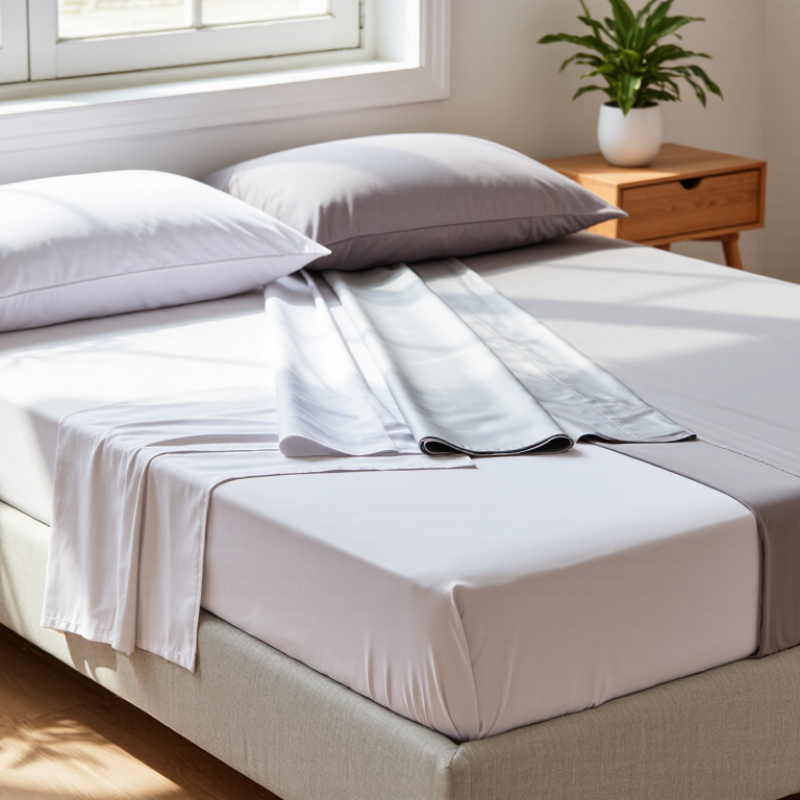
Cotton sheets are made from natural plant fibers spun into yarn and woven into fabric. Their feel depends on fiber length, weave, and fabric weight. Smooth cotton can feel crisp, while brushed cotton feels warmer and softer. In my experience, cotton becomes more comfortable after several washes. It also allows air to move around the body. They can wrinkle.
Microfiber sheets use extremely fine synthetic fibers, usually polyester, woven tightly together. The dense structure creates a smooth surface with a light, almost silky touch. Microfiber often resists wrinkles and dries quickly after washing. It can also retain more heat, which may feel uncomfortable in a warm bedroom. Some sleepers notice that difference quickly.
Care affects both materials. Cotton usually tolerates regular washing, but very hot water and drying can cause shrinkage. Microfiber needs gentler heat because excessive temperatures may damage its fine fibers. I once dried a microfiber sheet too hot, and its texture felt less flexible afterward. That small mistake changed how I read care labels. Quality also varies between fabrics, so fiber content alone cannot predict comfort, breathability, or durability.
Moisture regain shows how much moisture a fiber can absorb relative to its dry weight.
Cotton typically has a moisture regain of about 8.5%, helping it absorb perspiration and feel breathable. Polyester microfiber typically has a moisture regain of about 0.4%, so it absorbs less moisture but usually dries faster.
In practical terms, cotton sheets are often preferred for natural softness and airflow, while microfiber sheets are generally lightweight, quick-drying, wrinkle-resistant, and less expensive. Actual performance can vary with fabric weave, finishing, and thread construction.
Data shown: typical equilibrium moisture-regain values for cotton and polyester textile fibers under standard textile-testing conditions.
Cotton and microfiber can feel surprisingly different on the first night. Cotton usually feels cool, dry, and slightly crisp against the skin. Its natural fibers absorb moisture, which helps during warm sleeping conditions. Microfiber, usually made from finely woven polyester, feels smoother and more slippery. It often has a soft, brushed surface. Some sleepers describe that touch as cozy. Others find it less breathable.
The Textile Exchange Materials Market Report 2024 estimates polyester represented about 57% of global fiber production in 2023, while cotton accounted for roughly 19%. That scale reflects microfiber’s efficient manufacturing and consistent performance. Its tightly packed fibers resist wrinkles and dry quickly after washing. Cotton generally allows stronger airflow, but it may crease and shrink without careful laundering. Microfiber can also hold body heat. This difference becomes noticeable under heavy blankets.
My own fabric comparisons showed a useful complication. A lightweight cotton sheet felt cooler, but a dense cotton weave felt warmer than expected. Not all cotton performs alike. Thread count alone also misleads; fiber quality, weave, and finishing matter more. AATCC moisture-management methods evaluate drying and liquid movement, yet laboratory results cannot fully predict personal comfort. Room humidity, skin sensitivity, and washing habits change the experience. The “better” sheet depends on which small discomfort you notice first.
| Comparison Dimension | Cotton Sheets | Microfiber Sheets |
|---|---|---|
| 1. Fiber Origin | Made from natural cotton fibers obtained from the cotton plant. | Made from very fine synthetic fibers, most commonly polyester; some products may use a blend. |
| 2. Feel and Texture | Usually feels breathable and natural. The texture varies by weave, such as crisp percale or smoother sateen. | Usually feels smooth, soft, and uniform. Brushed microfiber can have a slightly warm, peach-like feel. |
| 3. Breathability | Generally allows more air circulation and is often comfortable for warm sleepers. | Typically less breathable than cotton because tightly woven synthetic fibers can retain more heat. |
| 4. Moisture Management | Absorbs moisture, which can help reduce surface dampness, although wet cotton may take longer to dry. | Absorbs less moisture than cotton but dries quickly; moisture may remain closer to the skin depending on the fabric construction. |
| 5. Durability and Pilling | Durability depends on fiber quality, yarn, and weave. Lower-quality cotton may pill, while long-staple cotton generally resists wear better. | Often resists wrinkles and can be durable, but friction, heat, and lower-quality fibers may contribute to pilling over time. |
| 6. Care and Drying | Machine washable, but it may shrink if exposed to high heat. It can also wrinkle more readily. | Usually lightweight, quick-drying, and less prone to wrinkles. High heat can damage or melt synthetic fibers, so moderate temperatures are preferable. |
| 7. Typical Performance Profile | Best suited to sleepers who prioritize natural fibers, airflow, moisture absorption, and a traditional bedding feel. | Best suited to shoppers who prioritize a smooth feel, low wrinkling, quick drying, and generally lower-cost bedding. |
| Environmental Considerations | Cotton is plant-based, but growing and processing it require land, water, and other resources. Its overall impact varies by farming and manufacturing practices. | Microfiber is synthetic and derived from fossil-based materials. Washing synthetic textiles can release small fibers into wastewater. |
| Best Choice for Hot Sleepers | Often the better choice, especially in a lightweight, breathable weave such as percale. | May feel warmer, particularly when tightly woven or heavily brushed. |
| Best Choice for Easy Care | Suitable when natural texture is more important than wrinkle resistance and rapid drying. | Often the more convenient option for quick washing, fast drying, and a smoother appearance. |
Choosing the right sheets depends on sleep habits, room temperature, and laundry routines. These seven cotton and microfiber options offer different strengths to consider.
Long-staple cotton feels smooth and usually lasts well with careful washing. Percale cotton has a crisp, breathable texture for warm sleepers. Sateen cotton feels softer and slightly warmer, although it may show wrinkles more clearly. Organic cotton can suit shoppers who value traceable materials, but certification standards should be checked before purchase. Cotton flannel adds gentle warmth for cold bedrooms. It can feel too heavy during humid nights. Brushed microfiber feels soft, resists wrinkles, and often costs less than cotton. However, it may hold more heat and develop pilling after repeated washing. Lightweight microfiber can dry quickly and work well for busy households, though its texture varies widely.
From practical testing, fabric weight and weave matter more than thread count alone. A high thread count does not automatically mean better comfort. Check the fitted-sheet depth, elastic strength, and care label before buying. Cotton often becomes softer over time, but it may shrink if washed too hot. Microfiber usually keeps its shape better, yet some sleepers dislike its less natural feel. I once underestimated that difference and regretted choosing softness over breathability. Touching a sample remains useful when possible. For sensitive skin, wash new sheets before use and choose fragrance-free detergent. Consider cotton for airflow and long-term texture, or microfiber for easy care and a lower initial cost.
Cotton and microfiber suit different sleepers, not simply different budgets. Cotton feels airy and becomes softer after repeated washing. Its natural fibers absorb moisture, which may help people who wake with a damp neck or warm shoulders. However, wet cotton can dry slowly, especially in humid bedrooms. Microfiber feels smooth, light, and consistently soft from the first night. Its tightly woven synthetic fibers resist wrinkles and dry quickly. Some sleepers may find it too warm because airflow can feel limited.
Tips: Sleep hot? Choose breathable cotton with a lighter weave. Feel cold at night? Microfiber can hold warmth more effectively. If you have sensitive skin, wash either material before use and avoid heavily scented detergent. Always check the fiber label, fabric weight, and care instructions.
In my testing experience, texture often matters more than marketing claims. A crisp cotton sheet may feel refreshing, while brushed microfiber can feel pleasantly cozy. Yet preferences can change with the season. Cotton may need more ironing, although careful drying reduces creases. Microfiber usually needs less maintenance, but high heat can damage its fine fibers. I once preferred microfiber during winter, then found cotton more comfortable during a humid summer. That change is worth considering. Your room temperature, sweating habits, washing routine, and preferred texture should guide the choice.
Cotton feels breathable and absorbs moisture, which helps warm sleepers. Microfiber is usually smoother, lighter, and more resistant to wrinkles. Textile Exchange’s 2024 Materials Market Report estimates cotton represented about 19% of global fiber production in 2023. Polyester remained the largest category, supporting microfiber’s wide availability. Still, fiber volume does not measure comfort.
Cotton often improves after repeated washing, but it may shrink if exposed to high heat. Microfiber dries quickly, although fabric softener can reduce its moisture-wicking performance. Wash either material according to the care label.
Use a mild detergent and avoid overloading the machine. For microfiber, cooler water can help limit synthetic fiber shedding. The European Environment Agency has reported that textile washing contributes to microplastic pollution, though results vary by fabric, machine, and filter type. That detail deserves attention, not panic.
Tips: Choose percale cotton for a crisp, cooler feel. Choose microfiber for softness and easy drying. Wash new sheets before sleeping on them. Rotate two sets, and inspect thinning areas every few months. Do not assume a higher thread count guarantees better quality; construction and fiber length matter more. My own preference changes with the season, which is a useful reminder: no sheet works perfectly for every sleeper.
Lightweight cotton usually feels cooler, drier, and more breathable. Its fibers absorb moisture near your skin. Dense cotton can still feel warm. Weave matters.
Microfiber usually feels smoother and more slippery. Its brushed surface can feel cozy from the first night. Some sleepers dislike that less-natural touch.
Choose lightweight cotton with a breathable weave. It allows better airflow around warm shoulders. Avoid heavy flannel in humid rooms. It may feel stuffy.
Often, yes. Its tightly packed fibers can retain warmth beneath thick blankets. However, the same feature may cause overheating later.
Microfiber usually dries quickly and resists wrinkles. Use moderate heat because high temperatures can damage fine fibers. Cotton may shrink or crease.
No. Fiber quality, weave, fabric weight, and finishing matter more. A high number can still feel disappointing. Touch the fabric when possible.
Wash new sheets before sleeping on them. Use fragrance-free detergent and check the fiber label. Softness alone does not guarantee comfort.
Lightweight microfiber dries quickly and usually keeps its shape. Cotton offers airflow and may soften with repeated washing. Your laundry routine matters.
Cotton often softens after careful washing. It can also shrink or crease if washed too hot. I once underestimated this difference.
Yes. Microfiber may feel pleasant during winter but too warm during humid summer nights. Cotton can feel refreshing in summer. Preferences change.
Cotton and microfiber sheets offer different sleeping experiences, and understanding what is the difference between cotton and microfiber sheets can help you choose the right bedding. Cotton is a natural fiber known for its breathability, softness, and ability to absorb moisture, making it comfortable for warm sleepers and changing seasons. Microfiber is a finely woven synthetic material that feels smooth, lightweight, and often warmer, while also resisting wrinkles and drying quickly. Each fabric has strengths in durability, texture, temperature control, and maintenance.
This guide explores seven cotton and microfiber sheet options based on factors such as weave, softness, weight, breathability, durability, and value. It also explains which material may suit hot sleepers, cold sleepers, sensitive skin, busy households, or shoppers seeking easy care. When choosing sheets, consider fiber quality, weave construction, pocket depth, fit, and personal comfort. Proper washing with mild detergent, cool or warm water, and low heat can help preserve softness and extend the life of either material.
