DETT TexPro DETT TexPro

Difference Between Fitted Sheet and Flat Sheet Explained?

Time:2026-04-08 Author:Amelia
0%

When it comes to bed linens, many people wonder, "what is the difference between fitted sheet and flat sheet?" According to bedding expert Sarah Thompson, "Understanding the differences in sheets can transform your sleep quality."

Fitted sheets are designed to fit snugly over a mattress. They have elastic edges that grip securely, preventing any slipping during the night. On the other hand, flat sheets are simple rectangles of fabric that lay on top. They offer versatility as they can be used for layering or as a light cover.

Knowing the details of these two types of sheets can help in making informed choices. A fitted sheet might be ideal for those who move while sleeping, while a flat sheet can cater to diverse uses. However, choosing the right sheet depends on personal preference. Balancing comfort and style with these options is key to creating the perfect bed.
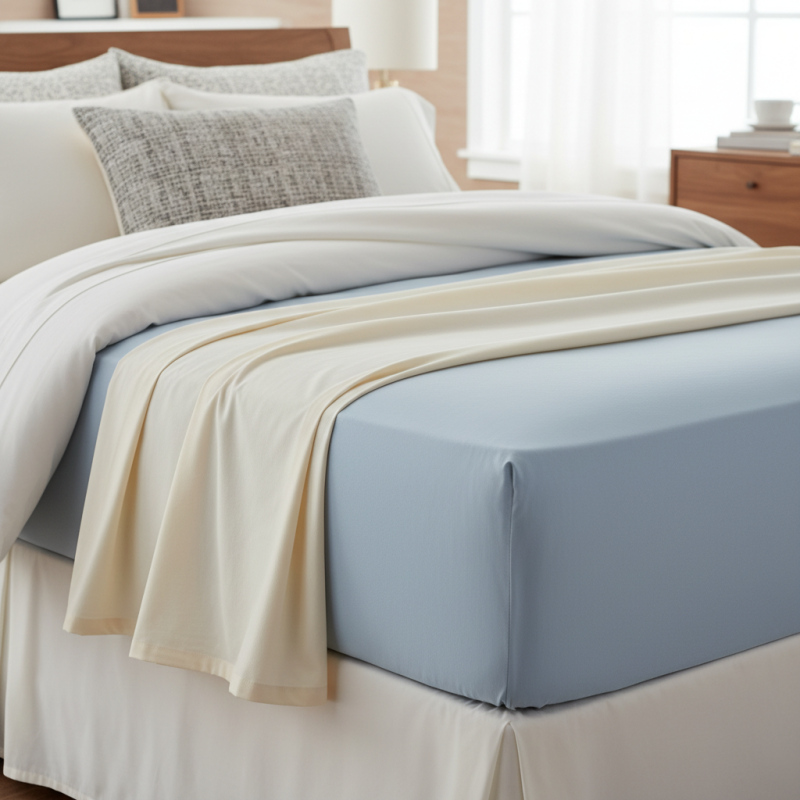
Difference Between Fitted Sheet and Flat Sheet Explained?

Differences in Design: Fitted vs. Flat Sheets Compared

When discussing fitted sheets versus flat sheets, the design differences are quite pronounced. Fitted sheets are tailored with elastic corners, allowing them to hug the mattress. According to the National Sleep Foundation, nearly 90% of bedding purchases involve fitted sheets. This design caters to modern needs but can restrict versatility in use.

Flat sheets, in contrast, are simple rectangles of fabric. They can serve multiple functions—covering oneself or acting as a bedspread. The American Textile Manufacturers Institute reports that flat sheets often last longer than fitted sheets. They experience less wear and tear since they aren't stretched tightly over surfaces. However, many individuals find them less convenient to keep in place.

The choice between the two can reflect personal preference and lifestyle. While fitted sheets are user-friendly, flat sheets offer alternative uses, making them more adaptable. Individuals often overlook how these sheets impact their sleep quality. Understanding these distinctions can enhance the bedding experience.

Materials Used: Common Fabrics in Fitted and Flat Sheets

When choosing bed sheets, understanding the materials is crucial. Fitted sheets and flat sheets often use similar fabrics, but there are notable differences. Common options include cotton, microfibre, and linen. Each fabric brings unique benefits and drawbacks.

Cotton is a popular choice for both fitted and flat sheets. It’s breathable and soft, perfect for temperature regulation. However, it can wrinkle easily and requires ironing. Microfibre, on the other hand, is durable and resistant to shrinking. Yet, it may not be as breathable, trapping heat at times.

Linen sheets offer a different experience. They’re incredibly breathable and wick moisture. But they can feel rough initially and require special care to maintain longevity. In contrast, polyester blends are low-maintenance but may lack the softness of natural fabrics. These materials influence the feel and function of each type of sheet, highlighting the importance of fabric selection. Choosing the right one can enhance your sleep experience significantly.

Sizing Standards: How Fitted and Flat Sheets Differ

Fitted sheets and flat sheets serve different purposes in a bedding setup. Fitted sheets have elastic edges that grip the mattress securely. This design prevents shifting, ensuring a smooth surface for sleep. They come in various sizes, including twin, full, queen, and king. It’s important to measure your mattress height, as fitted sheets also vary in depth.

Flat sheets, on the other hand, are rectangular pieces of fabric. They do not have elastic edges and are generally larger than fitted sheets. Flat sheets can be used as a top layer, providing an additional element of warmth. People often tuck them under the mattress for a neat appearance. Some enjoy using flat sheets for versatile bedding setups; they can be folded or layered.

In terms of sizing standards, understanding dimensions is key. A fitted sheet must align with mattress measurements. A standard queen mattress requires a corresponding fitted sheet. Flat sheets, however, are more forgiving. They can accommodate a range of sizes. This flexibility allows personal preference in how much extra material is draped. In the end, the choice between fitted and flat sheets often comes down to individual comfort.

Usage and Functionality: When to Use Each Type of Sheet

When choosing between a fitted sheet and a flat sheet, understanding their functionality is crucial. A fitted sheet is designed with elastic corners, allowing it to hug the mattress securely. This feature prevents the sheet from slipping off during the night. It is ideal for those who move around while sleeping. You will enjoy a smoother surface that stays in place. Fitted sheets are often easier to put on and remove for washing.

In contrast, a flat sheet serves a different purpose. It can be used as a top cover or a lightweight blanket. This versatility allows for layering in colder months. Flat sheets are also useful when you want to change your bedroom decor quickly. You can easily swap out flat sheets to refresh the look. However, some may find them less practical for everyday use. They can shift around, leading to discomfort. Thus, knowing when to utilize each type can enhance your sleeping experience.

Care Instructions: Maintaining Fitted and Flat Sheets Effectively

Proper care for your sheets can enhance their lifespan. Fitted and flat sheets require slightly different maintenance. Fitted sheets, with their elastic corners, should be washed in warm water. This helps keep the elastic intact and maintains a snug fit on your mattress.

For flat sheets, washing them in cold water is often a better choice. Cold water helps preserve their color and softness. It's essential to check the care label, as different fabrics can have unique requirements. Drying sheets on low heat is best. High temperatures can cause shrinkage, especially in cotton sheets.

Stains happen, and handling them promptly is crucial. Blot, don’t rub, to avoid spreading the stain. Pre-treat specific stains before washing. Choosing the right detergent matters too. Powerful detergents can be harsh on fabrics. Consider using a gentle, eco-friendly option. Remember, small changes in routine can lead to longer-lasting sheets.

FAQS

: What is the main difference between fitted and flat sheets?

: Fitted sheets have elastic corners to hug the mattress, while flat sheets are simple rectangles of fabric.

Which type of sheet is more popular?

Fitted sheets are more popular, with nearly 90% of bedding purchases involving them.

How do fitted sheets impact versatility?

Fitted sheets can restrict versatility since they are designed for a specific use on a mattress.

Do flat sheets last longer than fitted sheets?

Yes, flat sheets often last longer due to less wear and tear from stretching.

What is the best washing method for fitted sheets?

Wash fitted sheets in warm water to help maintain their elastic fit.

How should flat sheets be washed?

Flat sheets are best washed in cold water to preserve their color and softness.

What drying method is recommended for both types of sheets?

Dry sheets on low heat to avoid shrinkage, especially with cotton fabrics.

How should stains be treated on sheets?

Blot stains promptly to avoid spreading; pre-treat specific stains before washing.

Why is detergent choice important?

Using gentle, eco-friendly detergent helps protect delicate fabrics from damage.

What small changes can enhance sheet lifespan?

Adjusting washing and drying methods can lead to longer-lasting sheets.

Conclusion

When exploring "what is the difference between fitted sheet and flat sheet," it's essential to understand their distinctive designs and functionalities. Fitted sheets are designed with elasticized corners that enable them to fit snugly over a mattress, providing a streamlined appearance and minimizing the chances of slipping off during the night. In contrast, flat sheets are rectangular pieces of fabric that can be used as a top layer, often allowing for a more versatile use in various bedding arrangements.

Materials and sizing standards also set these sheets apart. Fitted sheets come in specific sizes corresponding to mattresses, while flat sheets generally come in standardized sizes that can accommodate different bed types. When it comes to care, both types of sheets require specific maintenance to ensure longevity, though the methods may vary due to their differing structures. Understanding these differences helps consumers choose the right sheets for their needs and preferences.

Amelia

Amelia

Amelia is a seasoned marketing professional with a wealth of expertise in our company’s core offerings. With an unwavering passion for driving growth and innovation, she plays a pivotal role in shaping our marketing strategies and enhancing brand visibility. A key aspect of her responsibilities......