In today's market, buyers are increasingly discerning when it comes to bedding. They often wonder what makes bedding feel soft and durable. Comfort and longevity are key. Shoppers look for materials that enhance their sleeping experience and withstand regular use.
Common materials include cotton, microfiber, and bamboo. Each offers unique qualities, contributing to softness and durability. Cotton is breathable and soft, while microfiber provides a plush feel. Bamboo, on the other hand, boasts natural moisture-wicking properties, enhancing comfort. However, not all bedding labeled as soft maintains durability under frequent washing.
The construction of the bedding also plays a vital role. Thread count can indicate quality but isn’t the only factor. Weaving techniques and finishing processes can significantly affect how soft and enduring the fabric feels. Buyers may find these details overwhelming yet crucial for making informed decisions. Understanding what makes bedding feel soft and durable is an evolving journey, reflective of personal preferences and experiences.
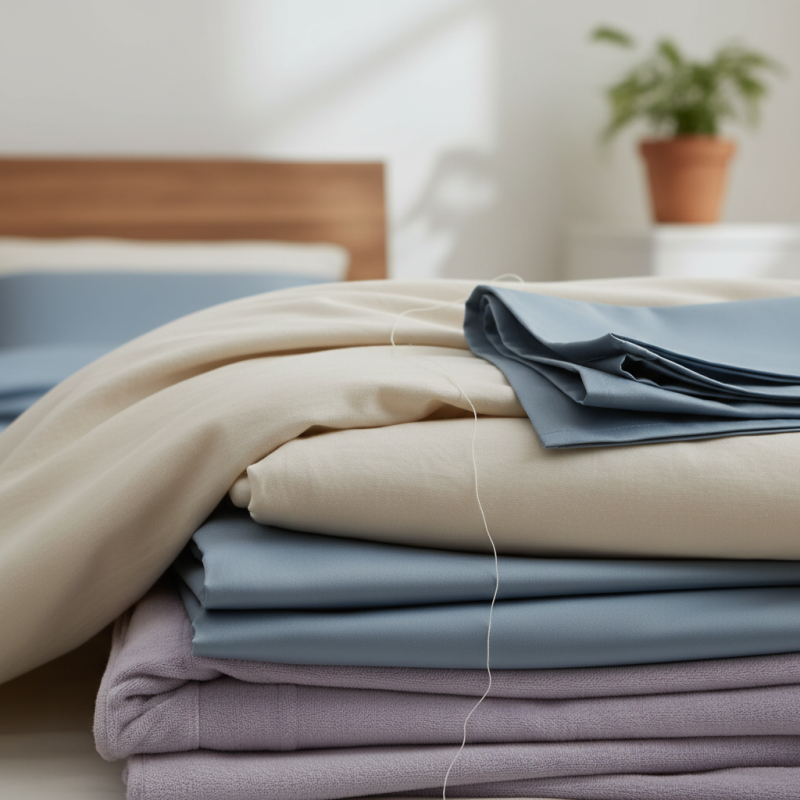
Factors Influencing the Softness of Bedding Materials
When choosing bedding, softness is key for many buyers. Different materials bring varying levels of comfort.
Cotton is popular due to its breathability. It absorbs moisture well and feels soft against the skin.
However, not all cotton is the same. Thread count matters, as higher counts often lead to a smoother texture.
Yet, higher thread counts can be misleading. Sometimes, they decrease breathability.
Another factor is the type of weave. A sateen weave gives a luxurious feel, while percale offers crispness. Each weave impacts how soft the bedding feels.
Then there's polyester. It is often blended with cotton to enhance durability. This blend can sometimes sacrifice that soft touch.
Careful consideration is necessary when selecting materials.
Bamboo is an emerging option. It has natural moisture-wicking and antibacterial properties. Many find bamboo sheets exceptionally soft.
However, the manufacturing process can vary. Not all bamboo sheets are created equal.
Customers need to research certifications to ensure quality. Poor manufacturing can lead to flimsy textures.
Reflection on these factors can greatly influence a buyer's satisfaction with their bedding choices.
Key Materials That Enhance Longevity in Bedding Products
When it comes to bedding, the materials used can make all the difference in softness and durability. Cotton, for instance, is a go-to fabric for many consumers. Its natural fibers breathe well and wick moisture, which enhances comfort during sleep. According to a report by Technavio, the global bedding market is expected to grow by 5.5% annually, with cotton remaining a top preference due to its softness and durability.
Another notable material is Tencel, which is derived from sustainably sourced wood pulp. Tencel is highly regarded for its smooth texture and moisture-wicking properties. A study published in the Journal of Textile Science indicated that Tencel fibers are more effective in regulating temperature when compared to traditional cotton. This contributes to a more comfortable sleeping experience, especially in varying climates. However, some may find that Tencel bedding can be pricier, raising questions about whether the investment is justified.
Additionally, polyester blends are gaining popularity. These synthetic fibers add durability to bedding, making them resistant to wear and tear. With advancements in textile technology, high-quality polyester can mimic the feel of natural fibers. However, ethical concerns about sourcing and environmental impact are worth considering. Buyers must reflect on their choices, balancing comfort with sustainability.
What Makes Bedding Feel Soft and Durable for Buyers? - Key Materials That Enhance Longevity in Bedding Products
| Material |
Softness Rating (1-10) |
Durability Rating (Years) |
Breathability (Yes/No) |
| Egyptian Cotton |
9 |
7 |
Yes |
| Microfiber |
8 |
5 |
No |
| Bamboo Viscose |
10 |
6 |
Yes |
| Flannel |
9 |
4 |
No |
| Linen |
7 |
10 |
Yes |
The Role of Weave and Thread Count in Bedding Comfort
When evaluating bedding comfort, weave and thread count play crucial roles. The weave affects texture and durability. Higher thread counts don't always guarantee softness. A report from the Textile Research Journal suggests that bedding with a thread count of around 300-500 is often optimal for comfort and longevity. Fabrics with a percale weave are crisp and breathable, while sateen offers a silky feel.
Many buyers assume that higher thread counts equate to better quality. However, a study from the American Textile Manufacturers Institute revealed that overly high thread counts could indicate misleading marketing. Some manufacturers use multi-ply yarns to inflate numbers, confusing consumers. Thus, it’s essential to explore the fabric's weave along with thread count.
Choosing the right bedding is complex. Personal preferences vary widely. Some may prioritize softness, while others need durability. Many sheets feel good initially but degrade quickly. Regular washing can diminish softness, especially in lower-quality fabrics. Investing time to understand weave types and true thread counts can lead to more satisfying purchases.
Understanding Care and Maintenance for Durable Bedding
Proper care and maintenance are essential for ensuring that bedding remains both soft and durable. According to a report by the Textile Research Institute, nearly 60% of consumers believe improper cleaning methods decrease the lifespan of their bedding. Specific fabric types require distinct care approaches. For instance, cotton bedding often performs best when washed in cold water and dried on low heat. This maximizes softness while maintaining strength.
Regular maintenance routines can enhance your bedding’s tactile qualities. Routine washing removes dust and allergens, which can accumulate over time. A study published in the Journal of Textile Science noted that softer materials, like microfiber, could retain their feel for longer periods when properly laundered. However, misconstrued drying techniques, such as over-drying or high-temperature settings, can lead to fabric deterioration.
Understanding the characteristics of your bedding fabric is vital. Linen, while often perceived as rough, can soften significantly with each wash. Yet, its lifespan can be cut short without proper care, especially if it is subjected to harsh detergents. Investing time in understanding how to clean and store your bedding can yield long-lasting, soft textiles.
Consumer Preferences and Trends in Bedding Softness and Durability
When it comes to bedding, softness and durability are key factors for many consumers. People often prefer materials that feel pleasant against the skin. Cotton, bamboo, and microfiber are popular choices. Each fabric type has unique qualities that influence softness. For instance, cotton is breathable and tends to get softer with each wash. Bamboo fabrics are known for their silky texture and natural moisture-wicking properties.
Durability is equally important. Bedding needs to withstand frequent washing and regular use. Consumers want products that maintain their feel over time. Quality stitching and strong fibers play a significant role. Bedding that pills or frays quickly often leaves buyers feeling disappointed. The challenge lies in balancing softness with lasting strength. Some consumers may find ultra-soft options lack durability. This trade-off can lead to scrutiny and reflection on what they truly value in bedding.
Current trends show a growing interest in sustainable materials that still offer comfort and longevity. Eco-conscious consumers are moving towards organic and recycled fabrics. They seek out companies that prioritize responsible sourcing. This shift reflects a broader understanding of the impact of choices. It encourages questions about the overall lifecycle of bedding products. Such considerations ensure that personal comfort aligns with environmental responsibility, showcasing a more thoughtful approach to purchasing.
What Makes Bedding Feel Soft and Durable for Buyers?
This chart illustrates consumer preferences for bedding materials regarding their softness and durability. The softness and durability scores are based on common evaluations of different materials used in bedding.
FAQS
: Cotton is popular due to its breathability and moisture-absorbing properties.
Not always. Higher thread counts can mislead consumers about softness.
Weave types, like sateen and percale, influence texture and feel significantly.
Many find bamboo sheets soft, but not all are made equally. Research is necessary.
Yes, improper cleaning can reduce bedding lifespan and softness over time.
Cotton bedding performs best when washed in cold water and dried on low heat.
Knowing fabric care can enhance durability and maintain softness after washing.
Microfiber can retain its softness longer when it is washed correctly.
Yes, linen can soften with washing, but its lifespan may end if not cared for properly.
Not necessarily. Some manufacturers inflate numbers, leading to confusion and potential disappointment.
Conclusion
The article "What Makes Bedding Feel Soft and Durable for Buyers?" explores various elements that contribute to the comfort and longevity of bedding materials. Factors influencing the softness of bedding include the type of fabric, finishing processes, and the innate qualities of the fibers used. Key materials such as cotton, linen, and microfiber play significant roles in enhancing the durability of bedding products, ensuring they maintain their feel over time.
Additionally, the weave and thread count are crucial in defining the overall comfort level, with higher thread counts often associated with a softer touch. Care and maintenance practices also contribute to bedding durability, emphasizing the importance of proper washing and storage techniques. Finally, the article examines consumer preferences and trends, revealing a growing demand for bedding that balances softness with long-lasting quality. Understanding what makes bedding feel soft and durable is essential for consumers seeking the best options for their sleeping environments.
 DETT TexPro
