DETT TexPro
When considering your sleep quality, the state of your bed sheets is often overlooked. Yet, it plays a critical role in your rest. Dr. Jessica Green, a sleep hygiene expert, states, "Regularly changing your sheets can significantly improve sleep quality." This highlights the importance of maintaining a clean sleeping environment.
So, how often should you replace bed sheets? Many experts recommend every one to two weeks. This timeframe helps prevent dust mites, allergens, and bacteria from accumulating. However, some people may wait longer, leading to potential sleep disruptions or even skin irritations.
While this advice is well-supported, personal habits vary. Some may not notice the impact of dirty sheets until it’s too late. Reflecting on your routine can help identify areas for improvement. Regularly washing your bedding ensures a restful sleep and can enhance your overall well-being.
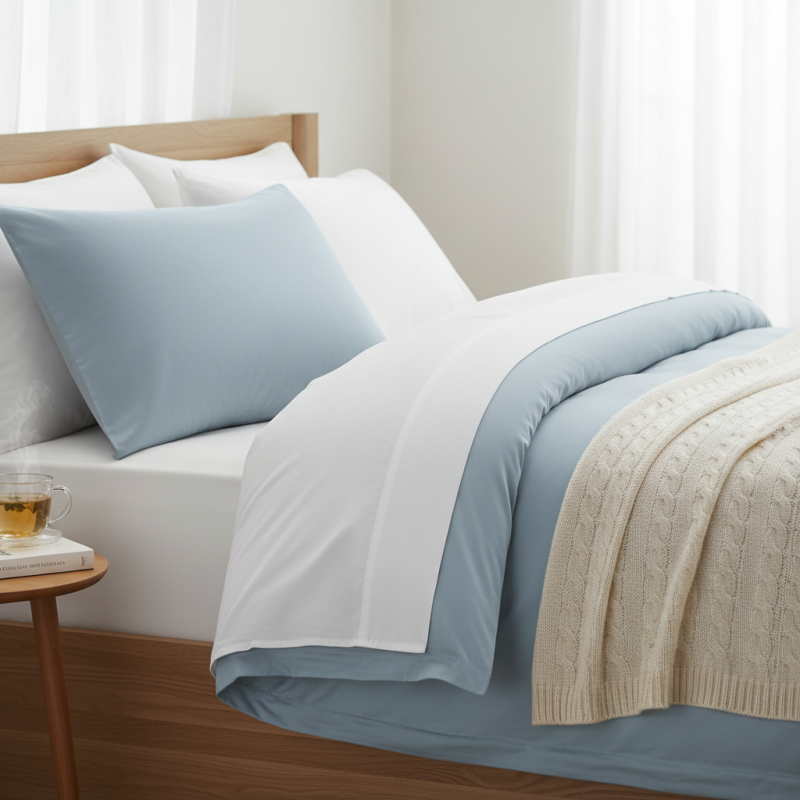
When discussing how often to replace bed sheets, several factors emerge as crucial influences. A significant aspect is personal hygiene. The American Cleaning Institute states that your sheets harbor sweat, skin cells, and dust mites after prolonged use. It is recommended to wash sheets weekly. However, many people may stretch this to two weeks or more, leading to an accumulation of irritants.
Another factor is the season. In the warmer months, people tend to sweat more, necessitating more frequent washing and replacement. During winter, layers like flannel may require less frequent cleaning. Surveys indicate that nearly 20% of individuals change their sheets only once a month, which may be insufficient for optimal hygiene and comfort.
Quality also plays a role. Higher-quality sheets resist wear and tear better, maintaining freshness longer than cheaper alternatives. Yet, even quality sheets can harbor bacteria over time. Experts suggest considering your own health conditions, activities, and personal preferences when determining a replacement schedule. Users with allergies should be especially vigilant, as allergens can quickly accumulate, impacting sleep quality.
When it comes to bed sheets, cleanliness is crucial for a good night’s sleep. Experts recommend replacing bed sheets once every one to two weeks. This timeframe helps minimize dust mites, allergens, and bacteria that accumulate over time. A study published by the National Sleep Foundation emphasizes that fresh linens significantly improve sleep quality and overall health.
For individuals with allergies or respiratory issues, washing sheets more frequently is beneficial. According to the American Cleaning Institute, washing bed sheets in hot water removes 99% of dust mites. Additionally, over 60% of people do not wash their sheets as often as recommended, which can lead to discomfort during sleep. This is an issue worth reflecting on, as many might not realize the impact of dirty sheets on their well-being.
Some may argue that washing and changing sheets often is a hassle. It does require time and effort. However, prioritizing this task can profoundly affect sleep quality. By adhering to a consistent washing schedule, one invests in their health and comfort. The routine becomes easier over time, creating a sanctuary conducive to rest and rejuvenation.
Choosing the right time to replace your bed sheets can greatly impact your sleep quality. One clear sign it's time for a change is visible wear and tear. If you notice frayed edges or faded colors, these sheets may no longer provide a comfortable sleep environment. Worn fabrics can also lead to skin irritation, which is a concern for many.
Another indicator is the presence of stains or odors. Accumulated sweat, allergens, or spills can become trapped in the fabric. If washing fails to refresh the sheets, it may be time to invest in new ones. This unpleasant reality often goes unnoticed until it disrupts our peace during sleep.
Lastly, consider your washing habits. If you wash your sheets infrequently, replacing them every few months is a wise choice. Regular maintenance is essential for a restful night's sleep.
Clean sheets can significantly influence sleep quality. Fresh bed linens give a cozy feeling that promotes relaxation. A recent study found that about 80% of people sleep better with clean sheets. This is not just about comfort. It's also about health. Dust mites, allergens, and bacteria thrive in dirty sheets. Regular washing helps reduce these irritants.
Many experts recommend changing sheets weekly. However, this frequency may vary based on individual habits. If you sweat a lot at night or have pets, more frequent changes might be necessary. Consider your lifestyle. Do you eat in bed or have allergies? Dirty sheets can worsen these issues.
It's also worth reflecting on our habits. Some people may overlook this aspect of their sleep routine. A busy lifestyle can lead to neglecting bed hygiene. However, regular changes can have a profound effect. Think of the freshness and comfort you'll gain. Choose a cleaning routine that fits your life. Prioritizing clean sheets is a simple step toward better sleep.
Keeping your bed sheets clean is essential for a restful sleep. Washing them regularly helps remove dust mites, allergens, and bacteria. For optimal freshness, aim to wash your sheets every one to two weeks. This frequency can vary based on personal habits. If you sweat during the night or have pets, consider washing them weekly.
Tips: When washing sheets, use a gentle detergent. High temperatures can damage fabric fibers over time. Avoid fabric softeners, as they can create a residue that reduces breathability. Dry your sheets on a low heat setting or line dry. This helps maintain their quality and longevity.
Regular maintenance also includes inspecting your sheets for wear and tear. Look for frayed edges or thinning fabric. These signs mean it might be time to replace them. Investing in good-quality sheets can enhance your sleep experience. Remember, a comfortable bed contributes significantly to your rest.
: Experts recommend changing bed sheets every one to two weeks for optimal cleanliness.
Regular washing minimizes allergens, dust mites, and bacteria, improving sleep quality and health.
Washing sheets in hot water removes 99% of dust mites effectively.
Look for frayed edges, stains, or unpleasant odors as indicators for replacement.
Infrequent washing may lead to discomfort and skin irritation during sleep.
It may seem like a chore, but it greatly enhances sleep quality in the long run.
Yes, worn fabrics may irritate the skin and disrupt sleep due to accumulated allergens.
If washing fails to eliminate stains or odors, it’s time to invest in new sheets.
By sticking to a consistent routine, it eventually becomes easier and more manageable.
No, over 60% of people don’t wash their sheets often enough, affecting their well-being.
When considering how often should you replace bed sheets, several factors come into play, including personal hygiene, allergies, and lifestyle. Generally, it’s recommended to change bed sheets every one to two weeks for optimal cleanliness and comfort. Signs that it's time to replace them include discoloration, persistent odors, or any signs of wear and tear. Clean sheets have a significant impact on sleep quality, promoting better rest and reducing allergens in your sleeping environment.
To maintain the freshness of your bed sheets, establish best practices for washing and care, such as using gentle detergents and avoiding overcrowding the washing machine. Following these guidelines will not only enhance the longevity of your sheets but also contribute to a healthier and more restful sleeping experience.