DETT TexPro
Choosing among China best pillows is not only about softness, height, or filling. A clean pillow supports comfortable sleep and helps reduce unwanted odors, moisture, and surface buildup. Yet many people wash pillowcases regularly while forgetting the pillow itself.
This guide explains how to maintain pillow hygiene properly with practical, evidence-informed habits. Start by checking the care label, because memory foam, latex, down, and polyester require different treatment. A removable cover should be washed weekly, especially after warm nights or heavy sweating. Use a gentle detergent and dry every layer completely. Damp filling can develop a stale smell surprisingly quickly.
Pillows also need daily ventilation. Fold back the bedding for a short time each morning. Let fresh air reach the pillow before covering it again. Avoid placing it in strong sunlight for too long, as heat may damage some materials. A washable protector adds another barrier, but it is not a substitute for cleaning.
Experts commonly recommend replacing pillows when they lose support, remain lumpy, or develop persistent odors. The exact timing varies with material and personal use. Some guidance suggests replacement every one to two years, but that is not a strict rule. I have found that checking shape and smell gives more useful clues than following a calendar alone.
Small habits matter. Clean hands, dry hair, and a dry bedroom can protect pillow freshness. Do not ignore stains. They may reveal sweat, spills, or moisture hidden inside the cover. With careful maintenance, a quality pillow can feel cleaner, last longer, and provide more dependable nightly support.
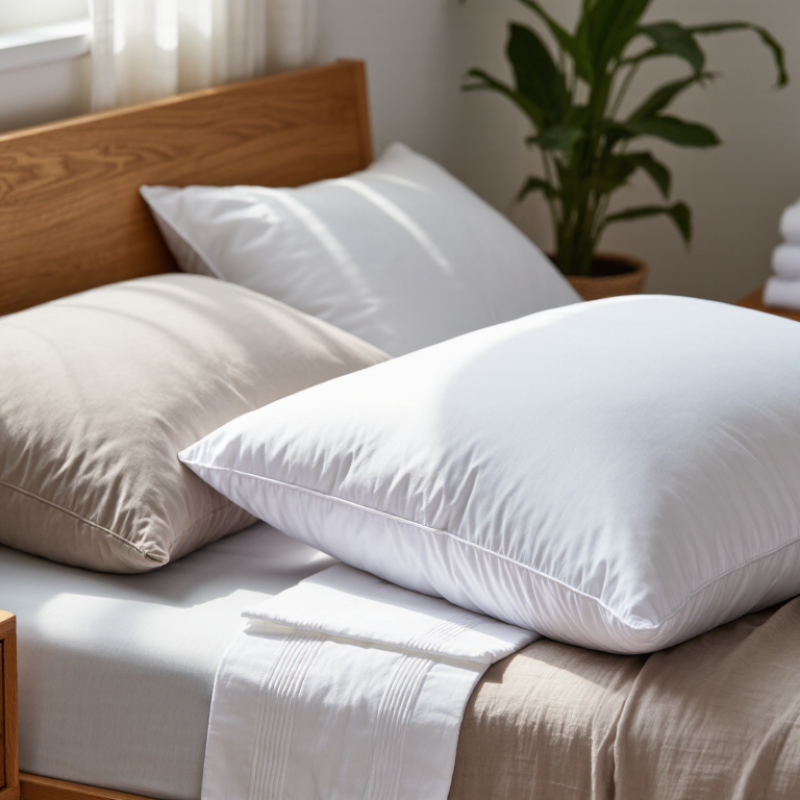
A clean pillow supports more than a pleasant night’s sleep. It sits against your face for six to eight hours, absorbing sweat, skin oils, saliva, and hair products. Over time, this moisture can create an unpleasant smell and encourage microbial growth. Dust mites may also collect in pillows, especially in warm, humid rooms. Their waste can worsen sneezing, nasal irritation, or itchy eyes in sensitive sleepers. Pillow hygiene matters because clean bedding reduces these avoidable irritants near your breathing zone.
I used to wash only the pillowcase and ignore the pillow itself. That habit was convenient, but it was not fully hygienic. Wash pillowcases weekly in warm water when the care label allows. Add a breathable pillow protector and inspect it for stains or dampness. Follow the filling manufacturer’s instructions before washing the pillow. Some materials need gentle cleaning, while others can lose their shape when soaked. Dry every layer completely. A slightly damp pillow can develop a musty odor by morning.
Small checks help. Press the pillow and notice whether it stays flat or feels lumpy. Hold it near a window and look for thinning fabric or yellowed patches. These signs do not always mean danger, but they suggest aging and trapped moisture. Air the pillow in a dry, shaded place, not under harsh heat. I still forget this step sometimes. However, a regular cleaning schedule makes the task easier and keeps sleep surfaces fresher.
Recommended hygiene intervals help reduce the buildup of sweat, skin oils, allergens, and microorganisms. Always follow the pillow manufacturer’s care label, especially for foam and specialty materials.
The chart presents commonly recommended maximum intervals: wash pillowcases weekly, wash washable pillows every 3–6 months, and consider replacing pillows every 2–3 years depending on condition, support, and material.
Choosing the Right Pillow Materials and Protective Covers
Pillow hygiene starts with the material inside. Cotton and polyester pillows usually tolerate regular washing, but they may hold moisture after a humid night. Dry them completely before use. Memory foam and latex need more care. Their inner cores should not be soaked, because trapped water can encourage odors and microbial growth. Instead, air them in a shaded, well-ventilated room. I once assumed a clean pillowcase meant a clean pillow. That was too simple.
A washable protective cover adds a practical barrier against sweat, skin oil, dust, and accidental spills. Choose a tightly woven cover with a zipper, but avoid plastic-like fabrics that trap heat. A breathable cotton blend may feel cooler and reduce dampness. Wash the cover every one to two weeks, or sooner after illness or heavy sweating. Replace pillows when they stay lumpy, smell unusual, or lose support. Material labels matter. Care instructions matter more.
Tips:
Check the filling before washing.
Use mild detergent and a complete rinse.
Dry every layer fully.
Air foam pillows, but do not bake them in direct sun.
A cover is helpful, not magic.
| Pillow Material | Typical Hygiene Characteristics | Recommended Protective Cover | Cleaning Guidance | Drying Requirements | Best Maintenance Practice |
|---|---|---|---|---|---|
| Memory Foam | Dense foam can retain heat and moisture if ventilation is poor. The core should not be machine-washed. | A breathable, washable cotton or polyester-blend cover with a secure zipper. | Wash the removable cover according to its care label. Spot-clean the foam with mild detergent and minimal water; do not soak. | Air-dry completely in a well-ventilated area away from intense heat and direct sunlight. | Allow the pillow to air regularly and use a washable pillowcase plus a protective encasement. |
| Latex | Naturally resilient and less likely to compress, but moisture can damage the foam if trapped inside. | A breathable, removable, zippered cover that does not significantly restrict airflow. | Wash only the cover unless the manufacturer specifically permits other cleaning. Wipe the latex surface gently when needed. | Dry flat or air-dry thoroughly; avoid tumble drying, high heat, and prolonged direct sunlight. | Keep dry, avoid harsh chemicals, and inspect the cover regularly for tears or loss of fit. |
| Polyester Fiber | Usually easy to wash and quick to dry, but the filling may develop clumps without proper drying and fluffing. | A tightly woven, washable cover with a comfortable moisture-managing surface. | Many products are machine-washable, but always follow the sewn-in care label and use a gentle cycle. | Dry thoroughly on a low-heat setting if permitted, or air-dry while turning and fluffing the pillow periodically. | Wash the pillowcase weekly and clean the pillow when soiled or according to the care instructions. |
| Down or Feather | Can absorb moisture and body oils. Damp filling may develop odor or mildew, so complete drying is essential. | A tightly woven, washable encasement designed to reduce leakage and limit contact with allergens. | Use professional cleaning or follow the product label. If machine-washing is permitted, use a gentle cycle and mild detergent. | Dry completely at low heat if allowed, adding clean dryer balls if recommended; stop only when no cool or damp areas remain. | Fluff daily, ventilate occasionally, and avoid storing the pillow in airtight plastic while it is damp. |
| Wool | Naturally breathable, but excessive moisture and agitation can shrink or felt the fibers. | A breathable wool, cotton, or tightly woven synthetic cover that can be removed for washing. | Usually spot-clean or use professional cleaning unless the care label specifically permits washing. | Air-dry flat in a shaded, ventilated place; do not wring or expose to high heat. | Keep the pillow dry, ventilate it periodically, and wash the protective cover regularly. |
| Buckwheat Hull | Loose hulls allow airflow, but they should not be saturated because moisture can affect the filling and fabric. | A durable inner liner plus a washable outer cover with a reliable zipper. | Remove the hulls before washing the liner if instructed. Spot-clean the filling and replace any damaged hulls. | Dry the liner and hulls separately and completely before reassembly; avoid heat that could damage the fabric. | Shake and air the pillow regularly, and keep the zipper closed to prevent contamination or spillage. |
China Best Pillows: How to Maintain Pillow Hygiene Properly?
Cleaning Different Pillow Types Safely
Pillow hygiene starts with the care label, not guesswork. Wash pillowcases weekly, especially during warm weather. A breathable protector adds another barrier against sweat, skin oils, and dust. Before washing, inspect seams and filling. Loose stitching can worsen inside a machine.
Down and synthetic pillows usually tolerate gentle machine washing. Use mild detergent, cool water, and a slow spin cycle. Wash two pillows together to balance the drum. Dry them completely on low heat, pausing to shake the filling. Even slight dampness may encourage mold. Do not use a pillow until its center feels fully dry.
Memory foam and latex need different care. Never machine-wash solid foam pillows. Remove the cover, wash it separately, and spot-clean the foam with diluted soap. Press gently with a towel. Avoid soaking or twisting it. Latex also needs limited moisture and strong ventilation. Air it in shade, away from direct heat. Buckwheat pillows are trickier; empty the hulls before washing the cover, then replace damaged filling. I sometimes overestimate how clean a pillow feels. Smell and appearance are not reliable tests. A small hidden damp area can remain unnoticed, so patience matters.
Pillow hygiene depends on complete drying, not a quick touch test. The U.S. Environmental Protection Agency states that wet materials should be dried within 24 to 48 hours to reduce mold growth. After washing, press out water gently. Twisting can damage filling and seams. Follow the care label carefully, then dry the pillow in moving air with space on every side. Low heat may be suitable for some fillings, but high heat can cause shrinkage or clumping. Turn the pillow several times. Check the center, not only the cover.
Indoor humidity also matters during storage. The EPA’s Moisture Control Guidance recommends keeping indoor relative humidity below 60%, ideally between 30% and 50%. A cool, dry room is safer than a humid bathroom cabinet. Store completely dry pillows in a breathable fabric bag, away from floors and exterior walls. Avoid sealed plastic for long periods. It can trap hidden moisture and create a stale smell. Every two or three months, remove the pillow, air it briefly, and inspect the seams. A pillow may feel dry outside while remaining damp inside. This is easy to miss. The World Health Organization’s Guidelines for Indoor Air Quality: Dampness and Mould associates damp indoor environments with increased respiratory symptoms. No routine is perfect, especially during rainy weeks, so recheck pillows after unusual humidity or accidental spills.
A pillow can look clean while holding sweat, skin oil, dust mites, and moisture. In my experience, the clearest warning is not age alone. It is a changing sleep surface. If your pillow stays damp after washing your face, smells sour, or shows yellow patches, inspect it closely. Persistent morning sneezing, itchy eyes, or new neck stiffness can also signal trouble. These symptoms may have other causes, so do not treat the pillow as the only diagnosis. A washable cover helps, but it cannot rescue a flattened, contaminated core forever.
Replace an unhygienic pillow when washing no longer removes its odor or stains, or when the filling remains lumpy and wet. Fold it in half, then release it. A healthy pillow should recover its shape reasonably well. If it stays collapsed, exposes hard clumps, or leaves your head tilted, replacement is sensible. Many pillows last about one to two years, but humidity, heavy sweating, pets, and frequent use can shorten that period. Materials differ. Follow care instructions and check the filling before deciding.
Tips: Use a breathable protector and wash pillowcases weekly when the fabric allows. Dry the pillow completely; hidden moisture encourages mold growth. Air it near indirect sunlight, not harsh heat that damages fibers. Replace bedding after illness if washing cannot remove the smell. I once kept a lumpy pillow because it still looked usable. That was a poor choice. Comfort and hygiene were both declining, quietly.
Your face touches the pillow for six to eight hours nightly. Sweat, skin oils, saliva, and hair products can build up. Dust mites may also worsen sneezing, itchy eyes, or nasal irritation.
Wash pillowcases weekly, especially during warm or humid weather. Use warm water when the care label allows. Wash them sooner after heavy sweating or illness.
Yes, a breathable, tightly woven protector helps block sweat, oils, dust, and spills. Wash it every one to two weeks. It is helpful, not magic.
No. Down and synthetic pillows often tolerate gentle machine washing. Solid foam and latex pillows should not be soaked or machine-washed. Check the filling and care label first.
Remove and wash the cover separately. Spot-clean the foam with diluted soap and a soft cloth. Press it gently with a towel. Never twist or soak it.
Dry every layer completely before using the pillow. For washable fillings, use low heat and pause to shake the filling. Foam and latex should air-dry in a shaded, ventilated place.
Look for lumps, thinning fabric, yellowed patches, unusual smells, or lost support. These signs may indicate age or trapped moisture. Appearance alone is not a reliable test.
Replace it when it stays lumpy, smells unusual, or no longer supports your head. A pillow may feel clean but still hide dampness. I sometimes miss that detail.
Proper pillow hygiene is essential for maintaining healthy skin, comfortable sleep, and a cleaner bedroom environment. This guide explains how to maintain pillow hygiene properly by choosing breathable, washable pillow materials and using protective covers that help block sweat, dust, and allergens. Regular care should match the pillow type: some pillows can be machine-washed, while others require spot cleaning or gentle hand washing to preserve their shape and filling.
After cleaning, pillows must be dried completely in a well-ventilated area to prevent moisture, mildew, and unpleasant odors. They should also be stored in a dry, breathable place rather than sealed while damp. Even with careful maintenance, pillows eventually lose their support and may develop permanent stains, odors, lumps, or signs of contamination. Knowing when to replace an unhygienic pillow is therefore an important part of protecting sleep quality and overall cleanliness.
