 DETT TexPro
DETT TexPro
DETT TexPro
Learning how to keep bedding fresh and clean longer begins with small, repeatable habits. Clean sheets feel better, but freshness also depends on moisture control, airflow, and careful washing. Dr. Philip Tierno, a microbiologist and bedding hygiene expert, advises, “Wash your sheets once a week.” This practical recommendation reflects how quickly sweat, skin flakes, body oils, and dust can collect in fabric.
A useful routine starts before laundry day. Let the bed air for at least thirty minutes after waking. Pull back the duvet and open a window, when weather allows. This helps trapped moisture escape from the mattress surface. Wash sheets weekly, or more often after illness, heavy sweating, or accidental spills. Use the warmest water allowed by the care label. Detergent alone is not a complete solution. Dry bedding fully, especially around elastic corners and thick seams.
Pillows, blankets, and mattress protectors need separate attention. Check their labels, because heat can damage some fillings and coatings. A washable mattress protector can reduce stains and extend mattress life. Avoid overloading the machine. Crowded fabric cannot rinse or dry properly. Keep the bedroom comfortably dry, but do not chase a sterile environment. That expectation is unrealistic. Even careful routines sometimes fail after a humid night or rushed laundry cycle. The real goal is consistency. With visible checks, fresh airflow, and timely washing, how to keep bedding fresh and clean longer becomes a manageable household practice rather than a difficult chore.
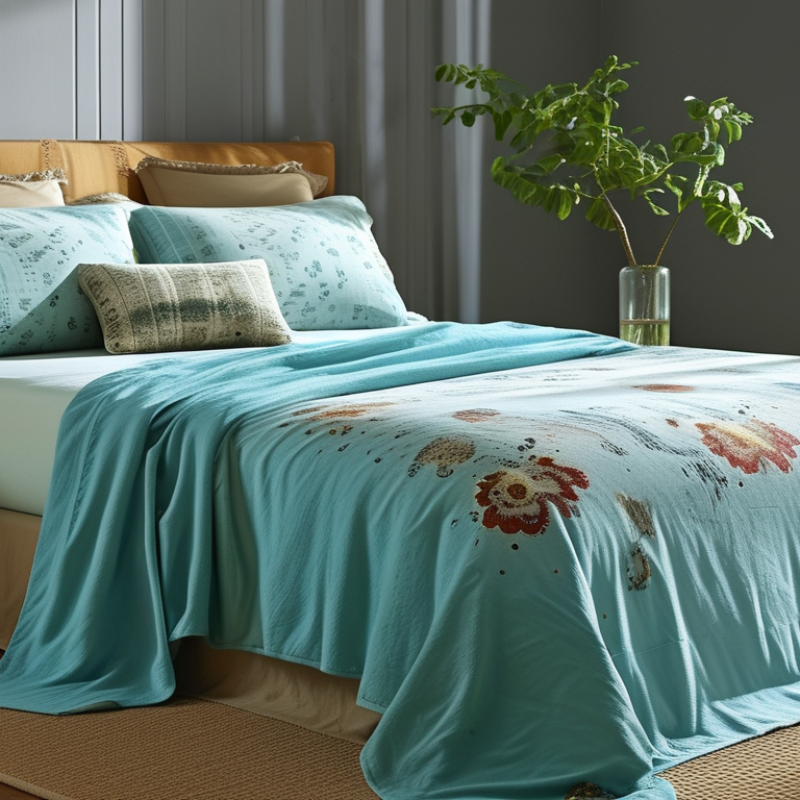
Fresh bedding begins with the fabric, not the fragrance. Breathable materials allow heat and moisture to escape during sleep. Cotton and linen remain practical choices because their fibers support airflow and tolerate frequent washing. Lyocell can also feel smooth and absorbent, though care instructions vary.
The U.S. Environmental Protection Agency recommends indoor humidity between 30% and 50%. This range can reduce excess moisture that encourages musty odors. Keep the bedroom ventilated, and avoid drying sheets in a damp room. Air matters. I once stored slightly damp pillowcases, assuming they would finish drying overnight. They smelled stale by morning. That mistake was avoidable.
Choose washable covers with simple care labels. Wash sheets weekly when possible, matching the National Sleep Foundation’s bedroom hygiene guidance. Its International Bedroom Poll reported that 73% of respondents slept more comfortably with clean sheets. Use warm water when the care label allows it, and dry bedding completely before folding. Overloading the washer can leave detergent and body oils behind. I still sometimes use too much detergent, believing it means cleaner fabric. It can create residue instead. A breathable weave only performs well when its surface stays clean. Rotate two sheet sets, leave space between stored linens, and inspect seams for trapped lint or moisture. Freshness is mostly a routine, not a perfume.
A practical comparison of commonly used bedding materials and care characteristics
| Material | Breathability | Moisture Handling | Drying Speed | Typical Durability | Easy-Care Guidance | Freshness Best Practice |
|---|---|---|---|---|---|---|
| Cotton | Good | Absorbs moisture | Moderate | Good | Machine wash according to the care label; tumble-dry on a suitable setting or line-dry. | Dry completely before storage to reduce damp odors and mildew risk. |
| Linen | Excellent | Absorbs and releases moisture readily | Fast | Very good | Wash gently and avoid excessive heat; line-drying can help limit shrinkage. | Its airflow and quick moisture release make it suitable for warm or humid conditions. |
| Lyocell | Very good | Manages moisture efficiently | Moderate to fast | Good with gentle care | Use a gentle cycle, mild detergent, and low heat; avoid harsh bleaching unless permitted. | Wash regularly and avoid leaving the fabric damp in the washer. |
| Hemp | Excellent | Absorbs moisture | Fast | Excellent | Use cool or warm water and avoid high heat, especially for blended or finished fabrics. | Air the bedding between uses and ensure full drying after washing. |
| Polyester Microfiber | Moderate | Low absorbency; may retain body heat | Fast | Very good | Wash with similar fabrics and use low to medium heat to help reduce pilling and static. | Choose lightweight constructions and wash after heavy sweating to limit odor buildup. |
| Silk | Good | Limited absorbency | Moderate | Delicate | Follow the label carefully; hand-washing or professional cleaning may be required. | Air gently away from direct sunlight and avoid storing it while damp. |
Care note: Fabric weight, weave, blends, dyes, and finishing treatments affect performance. Always follow the specific care label, wash bedding regularly, and make sure it is completely dry before use or storage.
Cotton and linen support airflow and tolerate frequent washing. Lyocell feels smooth and absorbent, but care needs vary.
Wash sheets weekly when possible. Warm bedrooms, sweating, or pets may require more frequent washing.
Yes, especially when they touch facial skin. Change them every three to four days if you sweat heavily.
Use the warmest temperature allowed by the care label. Hotter water is not always better for delicate fabric.
Moisture trapped in fabric can create a musty smell. Dry sheets completely before folding or storing them.
Use a breathable cotton bag or an open shelf. Leave space between folded sets. Avoid tightly packed plastic containers.
Aim for indoor humidity between 30% and 50%. Ventilate the room when outdoor conditions are suitable.
Open a window briefly and use a fan to move room air. Leave space between the bed and wall when possible.
Overloading the washer may leave detergent and body oils behind. I still sometimes use too much detergent. More is not always cleaner.
Keep it in a cool, dry cupboard away from steam and strong odors. Air out crowded shelves regularly. Perfection is difficult.
Learning how to keep bedding fresh and clean longer starts with choosing breathable, easy-care fabrics that allow moisture and heat to escape. Wash sheets, pillowcases, and covers on a regular schedule, adjusting the frequency based on personal habits, weather, and bedroom conditions. Use a suitable water temperature and gentle laundry products that remove sweat, oils, and odors without unnecessarily wearing down the fabric. Avoid overcrowding the washing machine so bedding can be cleaned thoroughly.
After washing, dry every item completely before making the bed, since trapped moisture can create unpleasant odors and encourage unwanted growth. Good bedroom airflow also helps reduce dampness, so open windows when appropriate or use ventilation to keep the space comfortable. Finally, fold spare bedding only after it is fully dry and store it in a clean, dry, well-ventilated area. These simple habits can keep bedding more comfortable, hygienic, and pleasant for a longer time.
