DETT TexPro
Maintaining pillow hygiene is essential for better sleep quality. Many people overlook this aspect of their bedding. Dirty pillows can harbor dust mites, mold, and bacteria. These allergens can negatively impact sleep and health.
Understanding how to maintain pillow hygiene properly is crucial. Regular washing and replacing pillows prevent the buildup of harmful substances. Most pillows can be machine-washed, but specific care instructions may vary. Using protective covers can extend the life of your pillows.
Many users feel unsure about the right cleaning frequency. It’s generally recommended to wash pillows every six months. However, people with allergies should consider more frequent cleaning. These actions contribute not only to a healthier sleep environment but also promote overall well-being. Addressing pillow hygiene is a small, yet impactful step toward restorative rest.
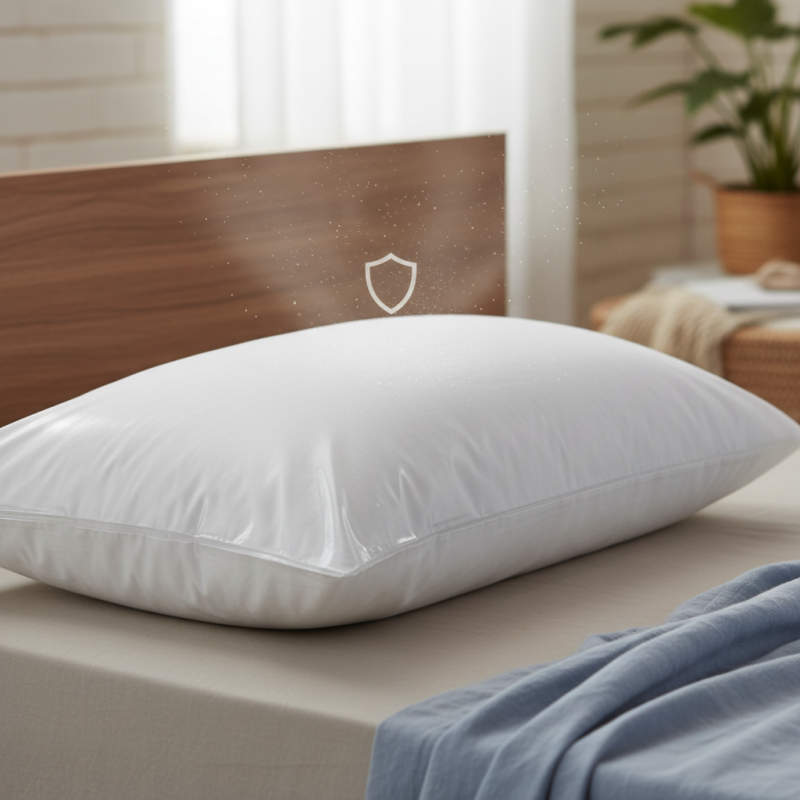
Maintaining pillow hygiene is crucial for your sleep quality. Dirty pillows can harbor dust mites, bacteria, and allergens. These can lead to respiratory issues and disrupt your rest. A clean pillow promotes better sleep by reducing irritants in your sleeping environment.
Regular cleaning is essential. Wash your pillows every three to six months. Use hot water to eliminate germs effectively. If your pillow is not machine washable, consider using a protective cover. This acts as a barrier against sweat and allergens. Some people may forget this step, leading to a buildup of unwanted elements over time.
Pillow replacement is another aspect to consider. Experts suggest replacing pillows every 1 to 3 years, depending on the type. Over time, pillows lose their shape and support. An unsupportive pillow can contribute to neck or back pain, affecting sleep quality. It's important to choose a pillow that suits your sleeping position and preferences. This mindful approach can significantly enhance your overall sleep experience.
Choosing the right pillow material plays a crucial role in maintaining pillow hygiene and promoting better sleep. Natural materials like cotton and wool are breathable and prevent moisture buildup. This feature helps reduce the growth of mold and dust mites, leading to a cleaner sleeping environment. In contrast, synthetic materials may trap heat and humidity, creating ideal conditions for allergens to thrive.
Memory foam and latex pillows offer support but demand careful maintenance. These materials can harbor dust and bacteria if not cleaned regularly. A pillow cover can provide an extra barrier, yet it's essential to wash both the cover and pillow frequently. Many people overlook this aspect and end up sleeping on unclean surfaces. Pay attention to the care instructions for each material; neglecting these can lead to long-term hygiene issues.
People often stick to their old pillows out of habit, but this can be detrimental. As pillows age, they lose their shape and accumulate allergens. Evaluating the pillow’s condition regularly is key. If it smells or doesn't feel supportive, it's time for a change. Prioritizing pillow material that supports hygiene can lead to improved sleep quality and overall health.
Pillows collect dust mites, sweat, and allergens over time. A regular cleaning routine is essential for better sleep. Aim to wash your pillows every three to six months. Use a gentle detergent and warm water. This practice helps eliminate bacteria and odor.
Tips: Consider using a pillow protector. It acts as a barrier against spills and allergens. Change it regularly to maintain cleanliness. For down pillows, fluffing them regularly helps keep their shape. This also enhances their longevity.
Don't forget the drying process. Proper drying prevents mold growth. Use low heat and add dryer balls to maintain fluffiness. It's easy to overlook these details, but they impact overall comfort. Reflect on your pillow hygiene habits and adjust accordingly for a healthier sleeping environment.
Maintaining pillow hygiene is essential for a restful night. Over time, pillows can accumulate allergens like dust mites, mold, and bacteria. These can cause allergies and disrupt your sleep. Regular cleaning is crucial to minimize these risks.
To effectively remove allergens, start by washing your pillows every three to six months. Use hot water to kill any dust mites and bacteria. If your pillow is machine washable, follow the manufacturer's instructions. For non-washable pillows, consider using a pillow protector. This barrier prevents allergens from settling in and makes cleaning easier.
Another method involves airing out pillows regularly. Fresh air helps reduce moisture, which inhibits mold growth. Remember to fluff your pillows, allowing them to regain shape and distribute filling evenly. If you notice any smells or stains that persist, it might be time to replace them. Taking these steps can significantly enhance pillow hygiene and sleep quality.
Pillows play a crucial role in our sleep quality, but many overlook their lifecycle. Various studies suggest that pillows should be replaced every 1 to 2 years to maintain optimal hygiene. Stains, odors, and changes in shape can indicate it's time for a new pillow. An analysis from a sleep health organization found that over 50% of people use pillows beyond their recommended lifespan. This not only affects sleep quality but can also lead to health issues.
If you notice persistent allergies or respiratory issues, it may be linked to your pillow. Dust mites, mold, and bacteria accumulate in old pillows, creating an unhealthy sleeping environment. A report by the American Academy of Allergy, Asthma & Immunology states that 20 million Americans are allergic to dust mites. Hence, regularly checking for discoloration, lumps, and an unpleasant smell can help you assess your pillow's condition.
A lumpy or flat pillow can compromise neck support, leading to discomfort. Noticing an increase in neck or back pain can signal it's time for a change. Ultimately, investing in a new pillow enhances sleep, improves hygiene, and supports overall health. Prioritizing pillow wellness aligns with achieving rejuvenating sleep.
: Dirty pillows can harbor allergens and bacteria, disrupting sleep and causing respiratory issues.
It’s best to wash your pillows every three to six months using hot water.
Use a protective cover as a barrier against allergens and sweat.
Experts recommend replacing pillows every one to three years depending on type and condition.
Old pillows can lose support and accumulate allergens, negatively impacting sleep and health.
Natural materials like cotton and wool are breathable and help prevent moisture buildup.
Stains, odors, lumps, or loss of support are clear signs it’s time for a replacement.
Yes, they can harbor dust mites and bacteria, exacerbating allergies and respiratory problems.
Regular cleaning is essential, along with washing both the pillow and its cover frequently.
If it feels lumpy or unsupportive, it's a sign that a replacement is necessary for better sleep.
Maintaining pillow hygiene properly is essential for ensuring a good night's sleep and overall health. Understanding the significance of clean pillows can greatly influence sleep quality, as unkempt pillows can harbor allergens and bacteria. Choosing the right pillow material also plays a crucial role, as certain materials are more resistant to dust mites and easier to clean.
Establishing a consistent cleaning routine is vital; pillows should be laundered or cleaned regularly to remove allergens effectively. Techniques for removing these irritants include using hypoallergenic pillow covers and ensuring adequate washing conditions. It's also important to recognize the signs that indicate it may be time to replace your pillow, such as visible wear, persistent odors, or reduced support. By following these guidelines, individuals can significantly enhance their sleep environment and overall well-being.
