DETT TexPro
Choosing the right fitted sheets for your mattress can be daunting. Many overlook the importance of how to measure a mattress for fitted sheets accurately. This simple task can save you time and money. Proper measurements ensure a snug fit, enhancing comfort while you sleep.
Understanding the dimensions of your mattress is crucial. Mattresses come in various shapes and sizes. You need to measure length, width, and thickness. Each detail matters, especially if you have an unconventional mattress type. A well-measured mattress makes the difference between a tidy bed and a bunch of wrinkled fabric.
People often make mistakes, like measuring hastily or ignoring mattress depth. Such oversights lead to ill-fitting sheets, which can be frustrating. Taking a moment to ensure your measurements are precise is worthwhile. It helps you find the perfect fitting sheets that elevate your sleeping experience.
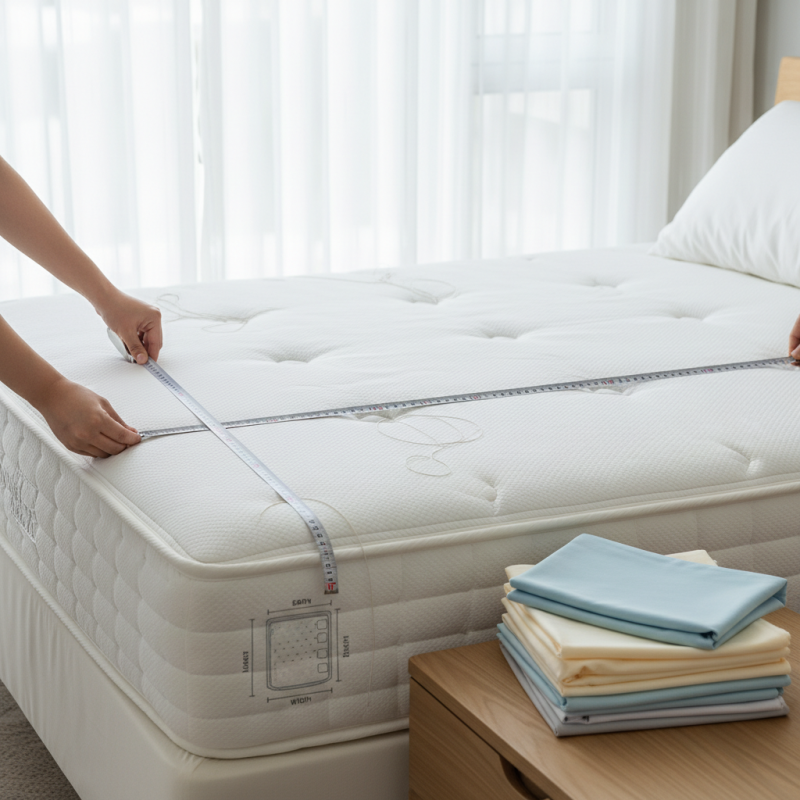
Understanding mattress dimensions is essential for selecting perfectly fitted sheets. A standard mattress size varies, with options like twin, queen, and king. Measuring your mattress accurately will ensure a snug fit for your sheets, enhancing your sleep experience.
When measuring, take note of three main dimensions: length, width, and depth or thickness. For length, measure from the head to the foot of the mattress. The width is from side to side. Finally, check the thickness by measuring from the top surface to the base. Remember to measure in inches for easier matching with sheet sizes.
**Tips:** Always use a metal measuring tape for accurate results. Include any mattress toppers in your thickness measurement. Don't hesitate to ask for help if your mattress is heavy or difficult to move. Adjusting for rounded corners can also make a difference in fit.
Measuring your mattress’s length and width is crucial for finding the right fitted sheets. Use a tape measure for accuracy. Start by measuring the length from the head of the mattress to the foot. Record this number. Then, measure the width from one side to the other. Having precise dimensions helps ensure a snug fit.
Keep in mind that some mattresses have varying thicknesses. Allow for extra depth if your mattress has a pillow top or extra cushioning. Take measurements at multiple points if needed, as mattresses can sometimes shift. It might feel tedious, but these small details matter when selecting sheets. Mistakes in measurement lead to frustration. If sheets are too tight or too loose, you’ll likely end up with an uncomfortable sleep experience.
Regularly check the dimensions if you have multiple mattresses. Variation can occur over time. Document measurements, so you don’t have to redo this task frequently. Attention to detail improves your bedding experience significantly. This simple practice enhances comfort and adds practicality to your bedroom.
When selecting fitted sheets, understanding your mattress thickness is crucial. According to a report by the Sleep Foundation, most mattresses range from 8 to 14 inches in thickness. However, many consumers overlook this detail, leading to ill-fitting sheets. Improperly sized sheets can bunch or slip off during the night, causing discomfort.
A standard fitted sheet typically has pockets designed for specific thickness ranges. For example, sheets designed for thicker mattresses often measure 15 inches or more in depth. This creates a snug fit that keeps the sheet securely in place. Additionally, 40% of consumers report dissatisfaction with the fit of their sheets, primarily due to mismatches in mattress size specifications.
Measuring carefully is essential. Use a tape measure to assess the height from the mattress base to the top. Don't forget to include any mattress toppers or pads. Small variations can lead to big issues. Many people, in rushing to buy sheets, end up with ones that are either too tight or too loose. Taking time to measure accurately can enhance sleep quality significantly.
When it comes to selecting fitted sheet sizes, precise measurements of your mattress are crucial. A 2021 survey conducted by the Sleep Foundation revealed that 80% of sleepers use incorrect sheet sizes, leading to discomfort. Accurate measurements ensure a snug fit, which not only enhances sleep quality but also prolongs the life of your bedding.
Start by measuring the length, width, and depth of your mattress. Most mattresses are 75 inches long and 54 inches wide for a standard twin size. However, depth varies significantly. A mattress depth of 10 to 15 inches requires deep pocket sheets, while standard depths are typically 6 to 12 inches. Remember, neglecting depth can result in ill-fitting sheets that slide off during the night.
Tip: Always account for mattress toppers or pads in your measurements. A topper can increase your mattress depth by several inches.
After gathering all your measurements, choose fitted sheets accordingly. If your measurements are an odd size, custom sheets may be essential. The National Sleep Foundation suggests measuring every few months, as new mattresses might change your fitted sheet needs.
Tip: Keep a note of your mattress measurements for easy reference when shopping. This eliminates the guesswork and reduces the risk of ending up with unsuitable sheets.
When selecting fitted sheets, precise measurements are crucial. A 2022 study revealed that nearly 40% of consumers struggle with sheet sizes. To avoid this common issue, begin by measuring your mattress. Use a tape measure to determine its length, width, and depth. Typically, standard mattresses are approximately 10 to 14 inches thick. Remember, dimensions may vary based on the mattress type.
Choosing the right fabric is equally important. Cotton, linen, and microfiber are popular choices. Cotton sheets, especially those with a high thread count, offer breathability and durability. However, they can shrink after washing. Conversely, microfiber prevents wrinkles but may trap heat, reducing comfort. Ensure you check the fabric's care instructions to maintain longevity.
Consider your mattress's unique characteristics. A pillow-top mattress may require extra-deep fitted sheets. An industry report notes that consumers often overlook this detail, leading to awkward fits. You want sheets that hug your mattress without slipping. Take into account seasonal needs too. Flannel sheets are ideal for colder months, while lighter blends suit warmer climates. Prioritize personal comfort and functionality when making your choice.
| Measurement Dimension | Description | Recommended Fitted Sheets Size |
|---|---|---|
| Length | The distance from the head to the foot of the mattress. | Twin: 75 inches Full: 75 inches Queen: 80 inches King: 80 inches |
| Width | The distance from one side of the mattress to the other. | Twin: 38 inches Full: 54 inches Queen: 60 inches King: 76 inches |
| Height (Depth) | The thickness of the mattress. | Regular: Up to 10 inches Deep Pocket: 11-15 inches Extra Deep Pocket: 16+ inches |
| Type of Mattress | The design of the mattress can affect sheet fit. | Memory Foam, Innerspring, Hybrid |
: Accurate measurements ensure a snug fit for sheets, enhancing sleep quality and comfort.
Measure the length, width, and thickness of the mattress for proper fitting.
Measure from the top surface to the base, including any mattress toppers or pads.
Most mattresses range from 8 to 14 inches, but this varies.
Sheets that are too tight or loose can bunch up or slip off during the night.
Ignoring depth can lead to sheets that don’t stay in place, causing disturbances while sleeping.
Yes, a topper can significantly increase your mattress depth and affect sheet fit.
It's advisable to measure every few months as new mattresses can change your fitted sheet needs.
Consider custom sheets to ensure a proper fit for your mattress.
Keep a note of your mattress measurements for easy reference when shopping.
In the quest for the perfect fitted sheets, understanding how to measure a mattress for fitted sheets is essential. The process starts with grasping mattress dimensions, where you'll need to know the length, width, and thickness of your mattress. Accurately measuring the length and width involves using a tape measure to ensure a snug fit. Additionally, determining the mattress thickness is crucial, as it affects how deep the fitted sheets need to be.
Once you have your measurements, selecting the appropriate fitted sheet size becomes straightforward. It's vital to choose sheets that account for your specific mattress dimensions to ensure comfort and a secure fit. Finally, consider tips for choosing the best materials and designs to enhance your sleep experience. Following this guide will help you confidently navigate the world of fitted sheets, ensuring a perfect match for your mattress.
