DETT TexPro DETT TexPro

Why Do Pillows Lose Shape Over Time and How to Prevent It?

Time:2026-05-28 Author:Oliver
0%

Pillows are essential for a good night's sleep. However, many people wonder, "why do pillows lose shape over time?" Dr. Emily Reed, a sleep health expert, explains, "The materials inside pillows degrade with use and age, affecting their comfort and support."

Over time, pillows undergo various changes. Everyday use, dust mites, and moisture contribute to their decline. Many don't realize that the fillings compress and lump, leading to discomfort. A pillow that once provided excellent support can become a source of neck pain.

To maintain the quality of your pillow, regular care is vital. Washing it can help eliminate dust and allergens. Storing it properly also makes a difference. However, even with the best care, some degradation is inevitable. Understanding why pillows lose shape over time can enhance your sleep experience. It's an area that requires more awareness and attention.
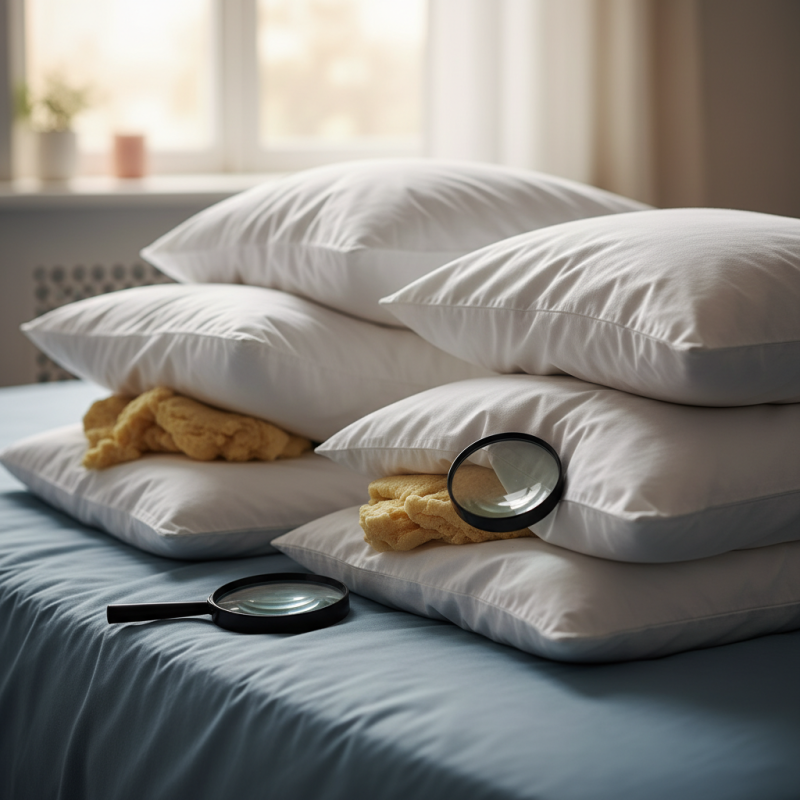
Why Do Pillows Lose Shape Over Time and How to Prevent It?

Understanding Pillow Materials and Their Properties

When choosing a pillow, understanding its materials is crucial. Different types impact how well a pillow maintains its shape. Memory foam pillows, for instance, contour and support your head and neck but can gradually sag. This happens due to the material's tendency to compress with use.

Down pillows, on the other hand, are soft and fluffy. They provide luxurious comfort but often lose their loft over time. This reduction in fluffiness can be frustrating.

A pillow's durability also depends on its casing. High-quality covers can prevent materials from escaping. Poorly constructed cases may contribute to the loss of shape. Washing and drying options further complicate the issue. Some materials can handle machine washing, while others require special care. Not maintaining them properly can lead to early wear and tear.

It’s also essential to consider personal sleeping habits. Side sleepers may need firmer pillows to support their necks. Back sleepers might favor softer options. These preferences can lead to uneven wear characteristics over time. Reflecting on your sleep needs can guide you to make wiser pillow choices, potentially extending their life.

Common Causes of Pillow Shape Loss Over Time

Pillows commonly lose their shape due to various factors that often go unnoticed. One of the main reasons is frequent use. Each night, the weight of our head compresses the pillow. Over time, this compression leads to flattening. This effect can be even more pronounced if the pillow is made of softer materials.

Another significant factor is moisture. Our bodies release sweat during sleep. This moisture can be absorbed by the pillow, leading to a change in its structure. Fluffy pillows may become clumpy and lose their supportive qualities. Regular washing can help mitigate this issue. However, not all pillows are suitable for machine washing.

Lastly, the environment plays a role too. Dust, allergens, and even pet hair contribute to the degradation of pillow materials. A pillow may retain odors or become less breathable, affecting its comfort. Being mindful of these causes can lead to better maintenance. You might need to replace your pillow more often than expected, which is a common realization for many.

Why Do Pillows Lose Shape Over Time?

This chart illustrates the common causes of pillow shape loss over time, rated on a scale of 1 to 10 based on their impact level. Regular wear, moisture retention, and material fatigue are significant contributors to the decline in pillow shape. Understanding these factors can help in maintaining pillow integrity.

Signs That Your Pillow Has Lost Its Shape

Pillows can lose their shape over time, which affects your sleep quality. Certain signs indicate that your pillow is no longer doing its job effectively. If you notice lumps or clumps, your pillow is likely worn out. A pillow should provide consistent support, and irregular shapes make it hard to find comfort.

Another sign to watch for is an unpleasant odor. This can result from moisture build-up, bacteria, or allergens. If your pillow feels flat after use, it’s time to consider a replacement. Proper care can prevent these issues. Regular fluffing helps maintain the shape and air circulation. Despite this, unavoidable wear occurs, and it’s essential to recognize when it’s time to buy a new pillow.

Your comfort is vital for restful sleep. Ignoring these signs can lead to neck pain or discomfort. Take a close look at your pillow regularly. Reflect on how its condition affects your nightly rest. Investing in a quality pillow and observing its state over time is worthwhile for your health.

Tips for Maintaining Pillow Shape and Longevity

Pillows often lose their shape due to continuous use. Over time, materials compress and become less supportive. A study from the National Sleep Foundation indicates that 62% of people replace their pillows every two years. This regular replacement can prevent neck pain and promote better sleep quality.

To maintain pillow shape and longevity, regular cleaning is essential. Many pillows can be washed in a machine, ensuring to follow care instructions. Using pillow protectors can also help shield pillows from moisture and allergens. According to industry experts, investing in high-quality materials can extend the life of pillows significantly.

Proper storage is crucial when pillows are not in use. Storing them in a cool, dry place helps prevent moisture damage. Fluffing pillows regularly can maintain their shape. However, frequent washing might cause wear and tear, so it’s a balancing act. Keeping track of pillow condition can prevent uncomfortable sleep and ensure restful nights.

Why Do Pillows Lose Shape Over Time and How to Prevent It? - Tips for Maintaining Pillow Shape and Longevity

Pillow Type Lifespan (Years) Common Causes of Shape Loss Maintenance Tips
Memory Foam 3-5 Heat and moisture exposure, uneven pressure Use a breathable pillow cover, rotate regularly
Down 5-10 Clumping, dust mites, washing Fluff daily, use a protective cover, wash carefully
Synthetic Fiber 2-5 Compression, poor quality fibers Choose high-quality fibers, replace every few years
Latex 5-7 Degradation over time, exposure to sunlight Keep out of direct sunlight, use a pillow protector

When to Replace Your Pillow for Optimal Sleep Quality

Pillows have an important role in sleep quality. Over time, they accumulate dirt, allergens, and wear. Reports indicate that pillows should be replaced every 1 to 2 years for optimal health benefits. Many don’t realize their pillow could host dust mites, which thrive in an unwashed pillow environment. These tiny creatures can trigger allergies, affecting nightly rest.

The lifespan of materials also plays a key role. Polyester pillows may last less than two years, while memory foam can stretch beyond three. Examine your pillow regularly for lumps or flattening. Firmness and support are crucial; if your neck isn’t aligned, poor posture can lead to chronic pain.

Health experts often recommend visually and physically checking pillows. If pillow support feels insufficient, it’s time for a change. Many people overlook the signs until discomfort sets in. Ignoring this can lead to restless nights and fatigue during the day. Regularly assessing your pillow can greatly enhance sleep quality.

FAQS

: How do pillow materials affect comfort?

: Different materials impact support and shape retention. Memory foam contours well but can sag over time.

What should I look for in a pillow's casing?

A high-quality casing keeps materials in place. Poor casings may lead to loss of shape and support.

How can I tell if my pillow needs replacing?

Signs include lumps, clumps, and a flat appearance. Unpleasant odors may also indicate it's time to replace it.

How often should I replace my pillow?

It’s often recommended to replace pillows every 1 to 2 years for optimal health and comfort.

What impact do personal sleeping habits have on pillow choice?

Side sleepers need firmer pillows while back sleepers may prefer softer ones. This affects durability over time.

Why is proper pillow care important?

Regular fluffing and washing help maintain shape and hygiene. Poor care can lead to early wear and discomfort.

Can a pillow affect health?

Yes, a worn pillow can lead to neck pain and poor posture. Neglecting to replace it may impact your sleep.

Are allergens a concern with pillows?

Yes, dust mites and allergens can accumulate in pillows. Regular cleaning can minimize sleep disturbances.

What should I do if my pillow feels uncomfortable?

Assess its condition regularly. If it lacks support or shape, consider getting a new one.

What common mistakes do people make regarding pillow maintenance?

Many overlook signs of wear. Ignoring lumps or odors can lead to restless nights and fatigue.

Conclusion

Pillows are essential for a good night's sleep, but many people wonder, "why do pillows lose shape over time?" The answer lies in the materials used and their properties. Common causes of shape loss include compression from regular use, exposure to moisture, and inadequate cleaning. As pillows flatten or become lumpy, they can lead to discomfort and may adversely affect sleep quality.

To prolong the life of your pillow, it is crucial to recognize signs of shape loss, such as uneven surfaces or reduced support. Regular maintenance, such as fluffing and using protective covers, can help retain their shape. Ultimately, knowing when to replace your pillow is vital for optimal sleep quality, ensuring that you wake up refreshed and supported.

Oliver

Oliver

Oliver is a seasoned marketing professional with a wealth of expertise in driving brand awareness and engagement. With a deep understanding of our company's product offerings, he consistently delivers high-quality content that enriches our professional blog. His insights not only shed light on......