DETT TexPro
Allergies caused by bedding materials can significantly affect quality of life. According to the Asthma and Allergy Foundation of America, around 20 million adults in the U.S. suffer from allergic rhinitis. Dust mites, mold, and pet dander in bedding are common triggers. Understanding how to prevent allergies from bedding materials is essential for many.
Proper bedding choices can help minimize allergy symptoms. For instance, hypoallergenic materials can reduce dust mite presence. In a recent study, 87% of participants reported fewer allergy symptoms after switching to hypoallergenic bedding. Regular cleaning and maintenance are equally crucial. Washing bedding in hot water kills dust mites and removes allergens. However, many overlook these practices.
Consumers should consider reputable brands and materials. High-quality bedding can be an investment in health. Yet, not all products labeled “hypoallergenic” are created equal. It’s vital to research and choose wisely. With informed choices and consistent upkeep, many can find relief from allergies related to bedding. Staying proactive is key in this ongoing battle against allergens.
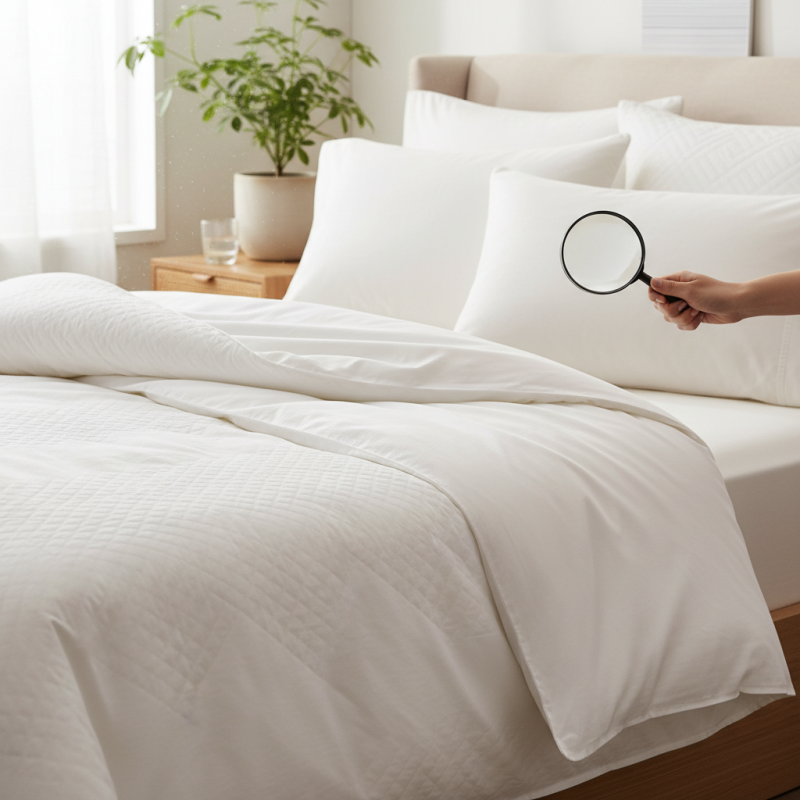
Bedding materials can harbor common allergens that trigger allergies for many people. Natural fibers like cotton, wool, and silk often attract dust mites, mold, and pet dander. These allergens can lead to uncomfortable symptoms such as sneezing, itching, and even respiratory issues. Understanding the types of materials in your bedding is crucial for managing these risks.
Synthetic materials, while less prone to allergen accumulation, can still pose challenges. Some individuals are sensitive to polyester or memory foam, which can emit volatile organic compounds. Regular washing of bedding in hot water can help reduce allergens effectively. However, not everyone follows a consistent cleaning schedule. Many underestimate the importance of maintaining a clean sleeping environment.
Consider hypoallergenic options that are created explicitly to reduce allergic reactions. These materials can be beneficial, yet it is essential to check certifications. Even with the best materials, one might still face allergic reactions if they lack proper maintenance at home. It’s a reminder that prevention requires both knowledge of bedding and proactive care.
When selecting bedding for sensitive individuals, hypoallergenic materials are crucial. Allergens like dust mites and mold thrive in traditional fabrics. According to a study by the American College of Allergy, Asthma & Immunology, up to 20 million Americans suffer from dust mite allergies. Choosing the right materials can significantly reduce exposure.
Natural fibers such as cotton and bamboo are excellent choices. They are breathable and resistant to moisture, which discourages allergen growth. Silk is another hypoallergenic option, known for its smooth texture. This can help reduce skin irritation and promote restful sleep. However, cost may be a barrier for some, leading to less optimal choices.
Tips: Always wash bedding in hot water weekly. Consider using allergy-proof covers for pillows and mattresses. Regular vacuuming with a HEPA filter is essential for maintaining a clean sleeping environment.
Opting for hypoallergenic bedding is not always straightforward. Some products labeled as "hypoallergenic" may still harbor allergens due to manufacturing practices. It's important to read labels carefully and look for certifications that guarantee low allergen levels. Awareness can help in making informed decisions that ultimately lead to improved health and well-being.
Effective cleaning and maintenance are crucial for allergen-free bedding. According to the American Academy of Allergy, Asthma, and Immunology, dust mites and pet dander are common culprits. Regular washing of sheets and pillowcases at 130°F (54°C) can kill these allergens. It’s essential to use allergen-proof covers on pillows and mattresses. These barriers reduce exposure significantly.
Vacuuming your bedding weekly is another effective strategy. A vacuum with a HEPA filter catches even the smallest particles. While this seems straightforward, many overlook the importance of cleaning bed frames and headboards. Dust accumulates there too. Consider using a damp cloth to wipe down these surfaces monthly.
Despite these steps, challenges remain. Many may not wash bedding as frequently as recommended. Life can get busy, but a calendar reminder can help. Remember, maintaining clean bedding isn’t just about hygiene; it directly impacts your health and comfort. Studies show that people with allergies sleep better with regular cleaning.
Bedding materials can harbor allergens like dust mites and mold. Taking preventive measures is essential for better health. Keeping the sleeping environment clean is crucial. Regular vacuuming and washing bedding can significantly reduce allergens.
Tips: Use dust-proof covers on pillows and mattresses. Wash bed linens weekly in hot water. This helps kill dust mites. Consider using hypoallergenic bedding materials. These can provide an additional layer of protection.
Humidity plays a significant role in mold growth. Lower humidity levels in your home can help. Aim for indoor humidity between 30% and 50%. Using a dehumidifier in damp areas can be very effective. Regularly check for leaks and fix them promptly.
Tips: Air out your bedding regularly by exposing it to sunlight. Mold thrives in dark, damp places. Consider rotating bedding to minimize moisture accumulation. Don’t overlook potential hidden spots like under the bed or behind furniture.
Creating a healthy sleep environment is essential for reducing allergies associated with bedding materials. Dust mites, pet dander, and mold can accumulate in mattress and pillow fabrics. To combat these allergens, frequent cleaning and careful selection of bedding are key.
Tips for a healthier sleep space include using hypoallergenic mattress covers and washing sheets in hot water weekly. Air purifiers can also help eliminate airborne allergens. Keeping humidity levels low minimizes mold growth. Consider bamboo or cotton bedding; these materials are less likely to harbor allergens.
Taking time to regularly vacuum and dust your bedroom is crucial. Use a vacuum with a HEPA filter to trap allergens effectively. Evaluating your mattress and pillows for signs of wear can help determine if replacement is necessary. Remember, your sleep environment should facilitate restful, allergy-free nights.
| Bedding Material | Allergen Potential | Recommended Treatment | Care Instructions | Alternative Options |
|---|---|---|---|---|
| Cotton | Low | Wash regularly in hot water | Machine wash, tumble dry | Bamboo, Linen |
| Polyester | Medium | Use allergen-proof covers | Machine wash, dry clean | Silk, Modal |
| Down | High | Consider hypoallergenic alternatives | Professional cleaning recommended | Synthetic fills |
| Wool | Medium | Regular airing and cleaning | Hand wash preferred | Cotton, Bamboo |
: Common allergens include dust mites, mold, and pet dander. Natural fibers like cotton and wool attract these allergens.
Regularly wash sheets in hot water. Allergen-proof covers for pillows and mattresses can help minimize exposure.
Yes, dust accumulates on bed frames too. Wipe them down with a damp cloth monthly to reduce allergens effectively.
Bamboo and cotton bedding are preferable. They are less likely to harbor dust mites and other allergens.
Vacuuming your bedding weekly can trap allergens effectively. Use a vacuum equipped with a HEPA filter for best results.
High humidity levels can promote mold growth. Keeping humidity low helps minimize these risks in your sleep environment.
Hypoallergenic options reduce reactions but don't guarantee no allergies. Proper maintenance is crucial for effectiveness.
A consistent cleaning routine helps prevent allergen buildup. Many people overlook this, but it’s vital for health.
Air purifiers eliminate airborne allergens. They contribute to cleaner air and a healthier sleep environment.
Consider replacing your mattress if it’s worn. Signs of wear can lead to increased allergens and affect sleep quality.
In today’s world, it's essential to know how to prevent allergies from bedding materials to ensure a healthy sleep environment. Understanding the composition of bedding materials and identifying common allergens, such as dust mites and mold, is the first step. For individuals with sensitivities, choosing hypoallergenic bedding options can significantly reduce exposure to these allergens.
Effective cleaning and maintenance tips, like regular washing and using dust-proof covers, play a crucial role in maintaining allergen-free bedding. Additionally, implementing measures such as controlling humidity and keeping the sleeping area clutter-free can help minimize the presence of dust mites and mold. By creating a thoughtful and healthy sleep environment, individuals can enjoy restful nights without the disturbance of allergies.
