DETT TexPro
Are you struggling with sweating while you sleep? Many people face this issue, often leading to discomfort and restless nights. According to sleep expert Dr. Sarah Johnson, “Choosing the right bedding can significantly influence your sleep quality.” This highlights the importance of materials and design in our sleep environment.
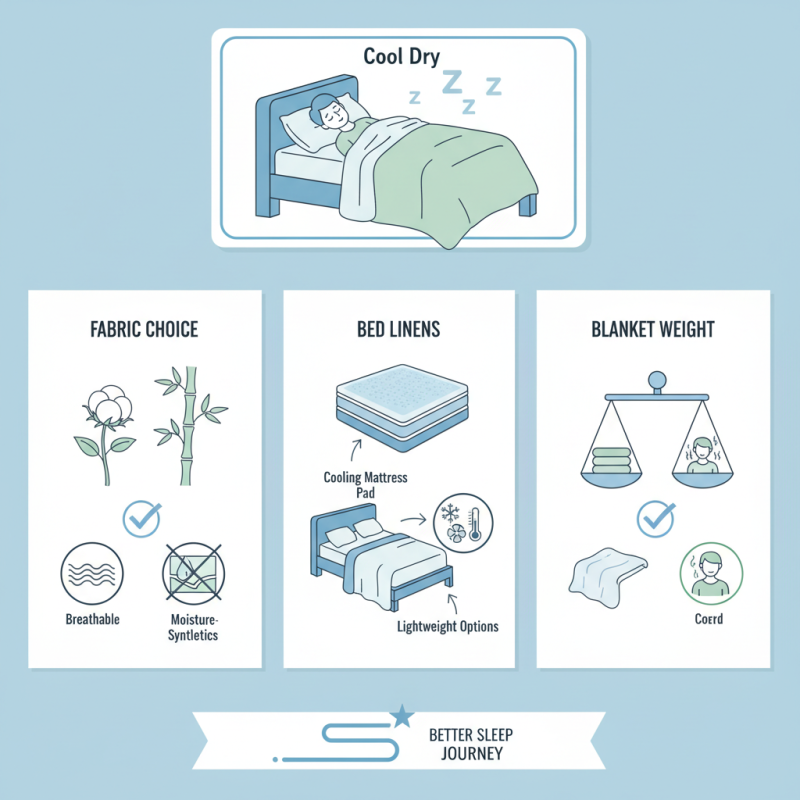
When looking at how to reduce sweating while sleeping with bedding, consider the types of fabrics you use. Natural fibers like cotton and bamboo are breathable and wick moisture away. Synthetic materials often trap heat, exacerbating the issue. Bed linens also play a vital role. A cooling mattress pad can make a world of difference in maintaining a comfortable temperature.
Many overlook how the weight of their blankets impacts their sleep. Heavy blankets can lead to overheating. Instead, try lighter options to keep sweat at bay. Small adjustments can lead to noticeable changes. Experiment with these strategies to find the perfect combination for you. The road to a sweat-free sleep may take time, but it's worth the journey.
Night sweats can disrupt sleep and impact overall health. They occur due to various causes, from hormonal changes to certain medical conditions. Understanding these triggers is crucial for managing them effectively.
Hormonal fluctuations are a common cause. Women experiencing menopause often report increased sweating at night. Similarly, men may suffer from hormonal imbalances. This issue can be uncomfortable, often leading to restless nights and fatigue. Medical conditions like hyperhidrosis and infections can contribute as well. Stress and anxiety can amplify sweating too, making it essential to find relaxation techniques.
The impact of night sweats goes beyond sleep disruption. Sleep quality suffers, leading to mood swings and decreased productivity. Constantly waking up drenched can create a cycle of anxiety that worsens the condition. Recognizing these effects is a vital step towards improvement. Managing the underlying causes can help alleviate symptoms. Small lifestyle changes can make a big difference, encouraging better sleep.
Choosing the right bedding material plays a crucial role in ensuring a comfortable sleep, especially for those who experience excessive sweating. Reports indicate that approximately 30% of adults suffer from night sweats, leading to disrupted sleep. Understanding bedding materials is essential for reducing moisture retention and promoting airflow.
Natural fibers like cotton and linen are highly breathable and absorbent. They wick away moisture from the skin, keeping you dry throughout the night. According to the Sleep Foundation, cotton bedding maintains a temperature-regulating balance, adapting to changes in body heat. Linen, derived from flax, also allows for better airflow, yet it may be rougher and require some adjustment for those used to softer fabrics.
In contrast, synthetic materials like polyester can trap heat and moisture, enhancing discomfort during sleep. While these materials might offer a sleek appearance, they compromise breathability. An informed choice can significantly influence sleep quality. Remember to evaluate your personal preferences and monitor how different fabrics affect your sleeping habits. Sometimes, the key lies in experimenting with various types until you discover what provides the most refreshing sleep experience.
Choosing the right bed linens can significantly improve your sleep quality. Look for sheets made of breathable fabrics. Cotton and linen are excellent options. They allow air to circulate, keeping you cool throughout the night. Breathing is crucial, especially for those who sweat in their sleep.
Moisture-wicking properties also play a vital role. These fabrics draw sweat away from your skin. This can help prevent that sticky feeling many experience at night. Consider using a mattress protector with similar properties. This will provide added comfort and freshness.
Not everyone prioritizes bed linens, but it can make a difference. Experiment with different materials to find your preference. Don't overlook the importance of weight. Lightweight options may feel cooler, while heavier fabrics might lead to overheating. Listening to your body is key here.
| Bedding Type | Breathability Rating | Moisture-Wicking Properties | Recommended for Hot Sleepers |
|---|---|---|---|
| Cotton Sheets | High | Good | Yes |
| Bamboo Sheets | Very High | Excellent | Yes |
| Linen Sheets | High | Good | Yes |
| Microfiber Sheets | Low | Poor | No |
| Silk Sheets | Moderate | Moderate | Yes |
Creating a cool sleep environment is vital for those who sweat during the night. Various studies suggest that room temperature greatly influences sleep quality. The National Sleep Foundation recommends a bedroom temperature of around 60-67°F (15-19°C) for optimal rest. However, personal preferences may vary, and some individuals may find their comfort zone at slightly different temperatures.
To enhance your sleep environment, consider using breathable bedding materials. Natural fibers like cotton or bamboo allow for better airflow. These fabrics wick away moisture effectively, helping to reduce night sweats. It’s essential to wash bedding regularly to remove sweat and allergens that could disrupt your sleep. Additionally, using lightweight blankets can further assist in maintaining a comfortable sleep temperature.
Another tip is to optimize air circulation. A fan can improve airflow and create a more refreshing environment. Moreover, using blackout curtains can help block heat from outside during warmer months. Keeping a glass of water nearby can also aid in maintaining hydration. Remember, it may take a few adjustments to find the perfect balance for your sleep. Explore these ideas and tune them to fit your lifestyle for a more restful night.
Managing room temperature is crucial for sleep comfort. Ideally, your bedroom should be around 60 to 67 degrees Fahrenheit. This range promotes restful sleep. However, individual preferences vary. Some may feel comfortable at slightly higher or lower temperatures. Experiment to find your ideal setting.
Humidity levels also play a significant role. High humidity can make the air feel heavy and uncomfortable. Aim for a humidity level between 30% and 50%. You might consider using a dehumidifier if your room feels damp. Conversely, if the air is too dry, a humidifier can help maintain balance. Listening to your body's feedback is essential.
Choose breathable bedding materials like cotton or linen. These fabrics help wick moisture away. They allow for better airflow, which is key to staying cool. You may notice that heavier blankets can trap heat, leading to excessive sweating. Reflect on your bedding choices and consider lighter alternatives. Adjusting these factors can greatly impact your quality of sleep.
: Night sweats are episodes of excessive sweating during sleep. They can disrupt your sleep and overall health.
Common causes include hormonal changes, medical conditions, stress, and anxiety. Each can trigger episodes of sweating.
Hormonal fluctuations, especially during menopause, can lead to increased night sweating in women and men.
They can lead to poor sleep quality, mood swings, and decreased productivity. Waking up drenched can also create anxiety.
Aim for a bedroom temperature between 60 to 67 degrees Fahrenheit for optimal sleep.
High humidity makes sleep uncomfortable, while low humidity can dry the air. Both can disrupt your sleep quality.
Choose breathable fabrics like cotton or linen. They wick moisture and promote airflow, keeping you cooler.
Manage underlying causes through lifestyle changes. Techniques for relaxation may help reduce stress and associated sweating.
Yes, use a dehumidifier in damp conditions and a humidifier if the air is too dry to maintain balance.
Consider lighter bedding materials. Heavy blankets can trap heat and may worsen sweating during the night.
Night sweats can disrupt sleep and lead to discomfort, making it essential to understand their causes and effects. This article outlines how to reduce sweating while sleeping with bedding by selecting the right materials. Choosing breathable, moisture-wicking bedding can significantly enhance sleep comfort. Additionally, using optimal bed linens can help regulate body temperature throughout the night.
Maintaining a cool sleep environment is crucial for minimizing night sweats. Simple strategies include managing room temperature and humidity levels to ensure a comfortable atmosphere for rest. By following these tips and understanding the factors that contribute to night sweats, individuals can create a conducive sleeping environment that promotes better health and quality sleep.
