DETT TexPro DETT TexPro

Top 10 Thread Counts for Bed Sheets What is the Best Option?

Time:2026-05-09 Author:Aria
0%

Choosing the right bed sheets can significantly affect your sleep quality. With so many options available, understanding what thread count is best for bed sheets is crucial. Thread count refers to the number of threads woven into a square inch of fabric. Higher thread counts are often associated with luxury, but does that mean they’re always better?

Many experts suggest that a thread count between 300 and 800 is ideal for comfort and durability. However, the quality of the threads themselves matters too. Cotton sheets with lower thread counts may feel softer than those with higher counts made from inferior materials. It’s essential to consider fabrics like Egyptian cotton or sateen, which offer elevated softness alongside the thread count.

Choosing bed sheets isn’t just about the numbers. Personal preferences and budget play a huge role as well. A cheaper brand might advertise a high thread count, but the real comfort comes from a well-made product, not just a marketing gimmick. Investigating brands and reading reviews can offer insight into what truly delivers comfort and luxury in the bedroom.
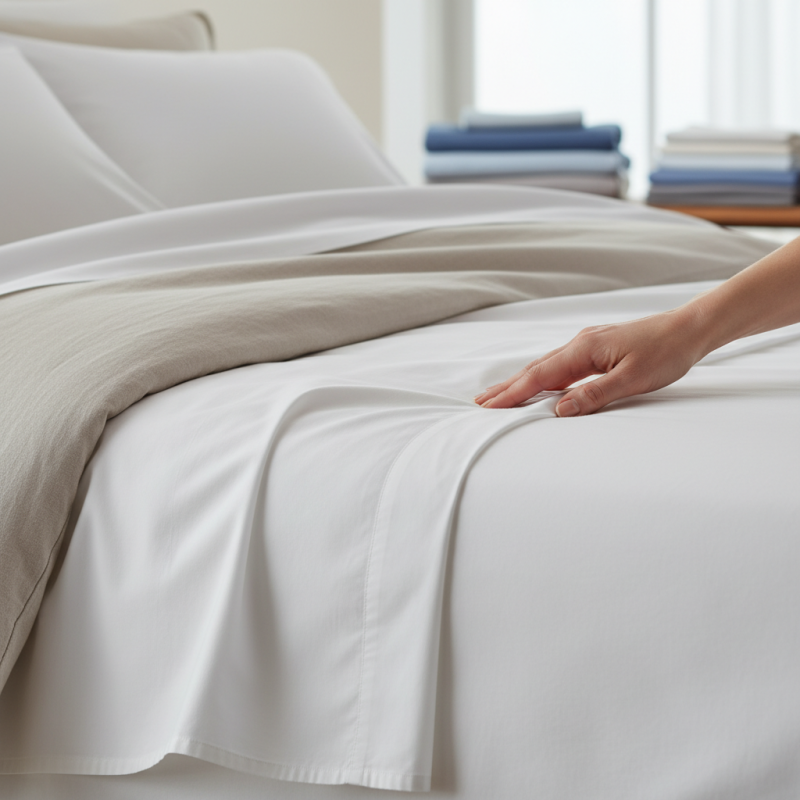
Top 10 Thread Counts for Bed Sheets What is the Best Option?

Understanding Thread Count: What It Means for Bed Sheets

Thread count is a key factor in choosing bed sheets. It refers to the total number of horizontal and vertical threads per square inch of fabric. Higher thread counts are often marketed as the best choice, promising softness and durability. However, the relationship between thread count and quality is more complex than it seems. A sheet with a low thread count may still be soft and comfortable, while a high thread count sheet can feel rough if made from inferior materials.

Understanding thread count helps consumers make informed decisions. A count between 200 and 400 is typically considered good for cotton sheets. Yet, beyond 400, the benefits diminish. Some manufacturers inflate thread counts by using multi-ply threads, which can mislead consumers. It’s essential to examine the fabric type and weave. Egyptian cotton and bamboo are popular for their breathability and comfort. Always consider these factors rather than solely focusing on thread count. While thread count matters, the overall fabric quality is what ultimately determines your sleep experience.

Top 10 Thread Counts for Bed Sheets - What is the Best Option?

Thread Count Fabric Type Comfort Level Durability Breathability
200 Cotton Medium Good Excellent
300 Cotton Blend High Very Good Good
400 Egyptian Cotton Very High Excellent Good
500 Satin Luxurious Very Good Medium
600 Silk Exceptional Good Low
800 Pima Cotton Very High Excellent Fair
1000 Centenial Cotton Ultimate Excellent Low
1200 Microfiber High Good Very Good
1500 Bamboo Luxury Very Good Excellent
1800 Tencel Soft Good Excellent

Factors That Influence the Quality of Bed Sheets

When choosing bed sheets, several factors can influence their quality. Thread count is often paramount. However, the type of fabric plays an equally vital role. Cotton, linen, and microfiber each bring unique benefits and drawbacks. For example, cotton is breathable and soft but can be more expensive. Meanwhile, microfiber is budget-friendly but may lack the natural comfort.

Durability matters as well. Higher-quality sheets tend to last longer, enhancing their value. Consider how often you wash them. Frequent washing can wear down fabrics faster. Investing in durable sheets saves money in the long run.

Tips: Always check for certification like Oeko-Tex. This indicates your sheets are free from harmful chemicals. Avoid sheets with synthetic blends if possible; they may not breathe well. Choosing the right thread count also matters. Ranges from 300 to 600 often provide a balance between comfort and durability.

Top 10 Thread Counts: A Comparative Analysis

When it comes to bed sheets, thread count plays a crucial role in determining comfort and quality. High thread counts are often marketed as superior, but the optimal count may not be what consumers expect. Reports from the Better Sleep Council indicate that the ideal range for cotton sheets is between 300 and 600 thread counts. Sheets within this range balance softness and durability effectively.

Many believe that higher is always better. However, sheets over 600 can sometimes sacrifice breathability and feel. A study conducted by the Sleep Foundation found that thread count does not always correlate with comfort. Factors such as material quality and weave type can significantly affect the overall sleeping experience. This complexity often leads consumers to overlook important details beyond just thread count.

Realistically, experimenting with different thread counts can illuminate personal preferences. Some may find that 400-count sheets offer the perfect blend of luxury and functionality. Others might cherish the feel of a 300-count sheet more. The truth is that comfort is subjective. It requires thoughtful consideration and sometimes a willingness to try various options before finding the perfect fit.

Choosing the Right Thread Count for Your Sleep Preferences

When it comes to selecting bed sheets, thread count is a key factor. Thread count refers to the number of horizontal and vertical threads per square inch of fabric. Research suggests that sheets with a thread count between 300 and 500 can deliver an optimal balance between softness and durability. However, personal comfort preferences play a significant role in this choice.

People often gravitate towards higher thread counts, believing they provide a more luxurious feel. Yet, industry experts indicate that beyond 600, the benefits may diminish. In fact, a report published by the Better Sleep Council notes that many high-thread-count sheets may include multiple threads twisted together. This can lead to misleading claims. Understanding your sleep style is crucial. If you tend to sleep hot, lighter fabrics with lower thread counts may suit you better.

It's essential to consider that thread count isn’t the only indicator of quality. The type of cotton and weave also greatly influence the overall feel and breathability. Higher thread counts might provide a smooth texture, but they might not always be as breathable. Conducting thorough research can help identify what truly matters for an individual’s sleep experience. Remember, the perfect sheet should cater to your distinct needs rather than fitting a generalized standard.

Common Myths About Thread Count Debunked

When it comes to thread count, many people accept common myths as truths. One popular belief is that a higher thread count always means better quality. In reality, quality is more complex. A sheet with 800 threads may not outperform one with 400 if the latter uses superior materials or weaving techniques. Such nuances are often overlooked.

Another myth suggests that thread count alone determines a sheet's softness and durability. While it plays a role, fabric type also matters. Cotton, linen, or bamboo blends can drastically affect feel and longevity, regardless of thread count. A 100% Egyptian cotton sheet with 400 threads might feel softer than a mixed fabric with 600.

This leads to the misconception that oversized thread counts are always the best choice. In truth, benefits diminish past a certain point. Sheets with thread counts above 600 might not provide significant advantages. Instead, focusing on material and finishing is more effective. Emphasizing the right factors can lead to a more informed choice.

Top 10 Thread Counts for Bed Sheets

FAQS

: What does thread count mean?

: Thread count refers to the number of horizontal and vertical threads per square inch of fabric.

Is higher thread count always better?

Not necessarily. A high count may not mean better quality if materials are inferior.

What is a good thread count for cotton sheets?

A thread count between 300 and 600 is often considered ideal for cotton sheets.

Can a low thread count sheet be comfortable?

Yes, some sheets with low thread counts can still be soft and provide a good sleep experience.

What factors affect the quality of bed sheets?

Fabric type, weave, and thread count all impact the overall feel and comfort.

Do sheets over 600 thread count guarantee comfort?

No, sheets over 600 may sacrifice breathability, which can affect comfort.

Why is experimenting with thread counts recommended?

Personal preferences vary, so trying different counts helps find the best fit for you.

What should I focus on besides thread count?

Consider fabric quality and weave, as they affect comfort and breathability significantly.

How does sleep style influence thread count choice?

If you sleep hot, lighter fabrics with lower thread counts may be more suitable.

Is understanding thread count enough to choose sheets?

No, thread count is just one factor; thorough research on materials is essential.

Conclusion

This article explores the concept of thread count and its significance in selecting bed sheets, answering the question of what thread count is best for bed sheets. It begins by explaining what thread count means and how it affects the softness and durability of sheets. Various factors influencing the overall quality of bed sheets are examined, including material type and weave.

Furthermore, the article presents a comparative analysis of the top 10 thread counts, considering different preferences for sleep comfort. It offers insights into how individuals can choose the right thread count based on personal sleep habits, while also debunking common myths surrounding thread count. Overall, it provides a comprehensive understanding for consumers looking to make informed choices for a better night's sleep.

Aria

Aria

Aria is a dedicated marketing professional with a deep passion for innovative strategies and a keen understanding of our company's product offerings. With a wealth of experience in the industry, Aria excels at crafting engaging content that highlights the unique features and benefits of our......