DETT TexPro
Properly washing and caring for pillowcases is essential for maintaining their quality and longevity. Pillowcases come into contact with our skin and hair every night, gathering oils, dirt, and allergens. Understanding how to wash and care for pillow cases properly can ensure a fresh and comfortable sleeping surface.
Many people overlook the specific care required for pillowcases. Using the wrong washing methods can lead to fading colors, lingering odors, or deteriorated fabrics. To prevent these issues, it’s crucial to follow best practices for washing. For example, consider using gentle detergents and cold water to avoid damage.
Additionally, remember to wash pillowcases regularly to maintain hygiene. This practice is often neglected, leading to potential skin irritations. By taking the time to learn how to care for pillow cases properly, you invest in a better night's sleep and a healthier environment. It’s not just about cleanliness; it’s about creating a restful sanctuary.
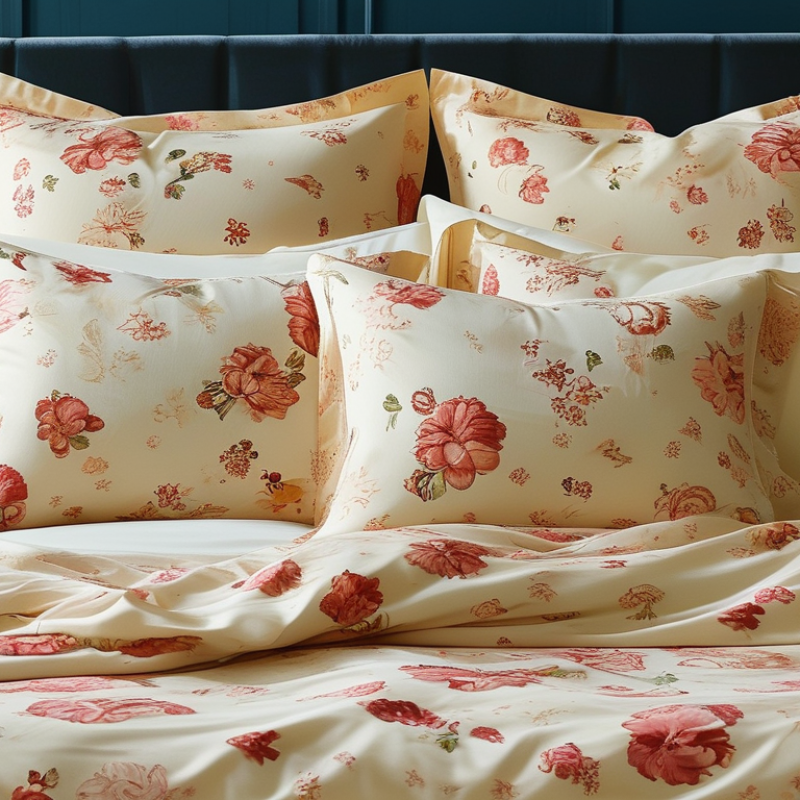
Choosing the right pillowcase material can significantly impact your sleep quality and skin health. Cotton is a popular choice. It’s soft, breathable, and durable. However, not all cotton is created equal. Look for high thread count options for a luxurious feel. Lower-quality cotton can wear out quickly and may not provide the same comfort.
Silk is another excellent option. It helps reduce friction on your skin and hair, preventing tangles and sleep lines. However, silk pillowcases require special care. They should be hand-washed or machine-washed on delicate cycles. This can be cumbersome for some.
Linen, although less common, is worth considering. It’s naturally breathable and moisture-wicking, making it ideal for hot sleepers. Linen does wrinkle easily, which can be a dealbreaker for some. However, its unique texture adds charm to your bedding. Each material has pros and cons, so reflect on what suits your needs best.
Washing pillowcases frequently is crucial for maintaining hygiene. According to a report by the American Academy of Dermatology, our pillowcases can harbor germs, oils, and allergens. On average, you shed about 1.5 grams of skin every day. This organic matter can accumulate and promote the growth of bacteria.
It's recommended to wash pillowcases at least once a week. More often if you have allergies or oily skin. Hot water is effective for killing germs. Using a mild detergent ensures that the fabric remains soft. This simple habit can significantly reduce the risk of skin issues.
Tip: Consider using a separate set of pillowcases for different skin types or needs. This way, you can alternate between them while keeping hygiene in check. Pay attention to discoloration or odors, which could indicate that it’s time for a wash. Regular inspection can prevent unnoticed buildup, ensuring a safe sleep environment.
When washing pillowcases, the fabric type is crucial. Cotton pillowcases are durable and can withstand hot water. Use a gentle detergent to maintain their softness. Wash on the warm cycle to remove dirt, but avoid high heat when drying. High heat may cause shrinkage over time. For best results, air drying is recommended.
Silk pillowcases require special care. Hand washing is often preferred for silk. Use cold water and a gentle detergent. Avoid wringing out the fabric, as this can damage fibers. Lay flat to dry. Remember, silk is delicate; it may lose its luster if washed too often.
Microfiber pillowcases are popular for their affordability and easy maintenance. They can be machine washed in warm water. However, avoid fabric softeners. These can make the microfiber less effective at wicking moisture. Wash them separately to prevent lint transfer from other fabrics. Regular cleaning helps prevent skin irritations caused by dirt buildup.
When it comes to drying pillowcases, avoiding high heat is crucial. The recommended drying temperature is around 130°F (54°C) to prevent fabric damage. According to a study by the American Textile Manufacturers Institute, excessive heat can weaken fibers, leading to shorter lifespan and unwanted wear.
Storing pillowcases properly can extend their freshness. Use breathable fabric bags to allow air circulation. Avoid sealing them in plastic, as this can trap moisture, promoting mold growth. The National Sleep Foundation advocates for a cool, dry storage area to maintain hygiene.
Regular rotation of pillowcases helps prevent build-up of dust mites and allergens. Studies indicate that rotating bedding every week can reduce allergens by up to 30%. Recognizing the signs of wear, like fading or fraying, is important. A worn pillowcase can harbor bacteria. Regular inspection is key to keeping your bedding in optimal condition.
Pillowcases can quickly gather stains and odors. Sweat, oils from skin, and spills all contribute to this. Luckily, there are effective ways to tackle these issues without much hassle.
To remove common stains, focus on a quick response. Blot the stain instead of rubbing it. Use cold water for rinsing. For stubborn stains, mix a tablespoon of dish soap with water. Apply this solution gently to the affected area. Let it sit for about 15 minutes before rinsing again. Regular washing helps, too. Wash pillowcases weekly if possible to prevent odor buildup.
When dealing with bad smells, consider using white vinegar. Add half a cup during the rinse cycle to neutralize odors. Ensure pillowcases dry completely before using them again. Damp fabrics can trap odors. Remember, while these tips are helpful, some stains may not come out completely. Experimenting with different methods is key. Find what works for you and your pillowcases.
| Tip Number | Tip Description | Stain Type | Recommended Treatment |
|---|---|---|---|
| 1 | Wash pillowcases weekly to prevent dirt and oil buildup. | General dirt | Machine wash in cold water with mild detergent. |
| 2 | Pre-treat stains immediately for better results. | Food stains | Use a stain remover or a mixture of vinegar and baking soda. |
| 3 | Soak pillowcases in vinegar solution to eliminate odors. | Odor | Soak in a mix of 1 cup white vinegar and 2 gallons of water for 30 minutes. |
| 4 | Avoid using bleach on pillowcases as it can weaken fibers. | N/A | Use color-safe detergents instead. |
| 5 | Air dry pillowcases to preserve their quality. | N/A | Hang in a shaded area to prevent sun damage. |
: Cotton and silk are popular choices. Cotton is soft and durable, while silk reduces friction on skin and hair.
A higher thread count generally means a softer, more luxurious feel. Lower-quality options may wear out quickly.
Linen is breathable and moisture-wicking, ideal for hot sleepers, but it wrinkles easily. This might not appeal to everyone.
Silk pillowcases should be hand-washed or machine-washed on delicate cycles. Special care is necessary to maintain their quality.
The recommended drying temperature is around 130°F (54°C). High heat can damage the fabric and weaken fibers.
Use breathable fabric bags and keep them in a cool, dry area. Avoid plastic to prevent moisture buildup.
Regularly rotating pillowcases prevents dust mites and allergens from building up. Rotation can reduce allergens by up to 30%.
Look for signs like fading or fraying. Worn pillowcases can harbor bacteria, so regular inspection is necessary.
Yes, the right pillowcase material, like soft cotton or silk, can enhance comfort and potentially improve sleep quality.
Yes, especially silk pillowcases that require careful washing. Regular inspection and maintenance are key for all types.
In "2026 Top Tips for Washing and Caring for Pillow Cases," the article outlines essential practices for maintaining pillowcases to ensure optimal hygiene and longevity. It begins with guidance on choosing the right material, emphasizing the importance of fabric selection for care. The article also discusses how often to wash pillowcases, recommending a regular schedule to combat dust mites and bacteria.
Furthermore, the piece offers effective washing techniques tailored to different fabrics, ensuring that readers understand how to wash and care for pillow cases properly. It highlights best practices for drying and storing pillowcases to preserve their quality and shape. Lastly, there are practical tips for dealing with stains and odors, ensuring that pillowcases remain fresh and clean. By following these top tips, individuals can significantly enhance their pillowcase care routine.
