Proper care of pillowcases is essential for maintaining hygiene and prolonging their lifespan. According to the National Sleep Foundation, more than 60% of people do not wash their pillowcases regularly. This can lead to a build-up of allergens, bacteria, and oils that negatively impact sleep quality. Understanding how to wash and care for pillow cases properly can drastically improve your sleep environment.
Many experts recommend washing pillowcases every week. This simple practice can help reduce skin irritations and allergy symptoms. Cotton pillowcases, for instance, are breathable and hypoallergenic, making them a popular choice. However, not everyone is aware of the specific washing techniques required for different materials, which can result in fading or damage. The question of how to wash and care for pillow cases properly is often overlooked despite its importance for health and comfort.
Ultimately, investing time in reliable cleaning methods is vital. Those who neglect their pillowcases might face issues like acne and eczema due to bacteria buildup. It's imperative to reflect on your cleaning habits. A well-maintained pillowcase not only promotes better health but also enhances the quality of your sleep.
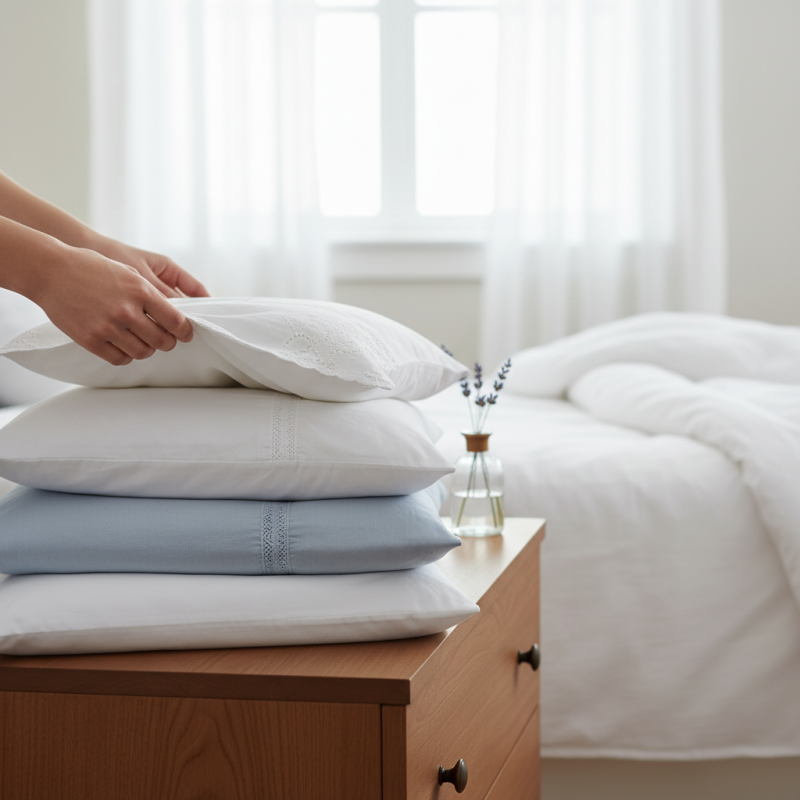
Choosing the Right Washing Method for Pillow Cases
When it comes to washing pillow cases, the method you choose matters significantly. Cotton and linen pillowcases are durable and can often withstand hot water. Meanwhile, delicate fabrics like silk require a gentler approach. Always read the care label for specific instructions. A gentle cycle with cold water is usually best for sensitive fabrics. You want to preserve their softness and sheen, after all.
Consider the detergent you use. A mild, hypoallergenic detergent is ideal for protecting sensitive skin. Avoid harsh chemicals, as they can degrade fabric quality over time. Sometimes, stains need special attention. Pre-treat them with a gentle stain remover before washing. Test on a small area first to avoid further damage.
Drying methods also play an essential role. Line drying helps maintain the shape and integrity of your pillowcases. If you use a dryer, opt for a low heat setting. Over-drying can lead to fabric wear. Remember, these small details matter in extending the life of your pillowcases. Each method has its pros and cons, and finding what works best for you takes some trial and error.
Understanding Fabric Care Labels on Pillow Cases
Understanding fabric care labels on pillow cases is crucial for maintaining their quality. These labels provide essential information on how to clean and care for your pillowcases. You might notice symbols like a washing machine icon or a temperature gauge. Each symbol has a specific meaning that guides you in the washing process.
For example, a symbol with a water basin indicates machine washability, while a hand in water signifies hand washing. Not all fabrics can handle the same treatment. Cotton pillowcases may endure higher temperatures, but delicate materials like silk require cooler temperatures. Ignoring these guidelines can lead to fading or damage over time.
Moreover, some labels will indicate if the fabric is prone to shrinking. If your pillowcases are prone to shrinkage, choosing the appropriate drying method becomes essential. Air drying is often gentler. Acknowledge that even the most delicate fabrics can suffer if not treated appropriately. Consider these factors when washing to ensure longevity and comfort.
Optimal Water Temperature and Detergent for Washing Pillow Cases
When washing pillowcases, water temperature is key. The optimal range is between 40°C to 60°C (104°F to 140°F). This temperature helps eliminate germs while ensuring fabrics remain intact. Cold water might not dissolve detergent effectively, and hot water could damage delicate fibers.
Choose a mild detergent. Harsh chemicals can deteriorate your pillowcases over time. Always read the care label. Some fabrics require special attention. Testing a small area first can prevent unwanted surprises. Remember, not all stains are removable. Sometimes, it’s better to let them go.
Tips: Use a gentle cycle to minimize wear. Consider washing pillowcases separately. This helps prevent tangling and allows for even cleaning. If you find stubborn stains, try spot cleaning instead of soaking the entire pillowcase. This could save time and maintain its quality longer. Balancing care and cleaning is essential, and being mindful of details can make a difference.
How to Wash and Care for Pillow Cases Properly? - Optimal Water Temperature and Detergent for Washing Pillow Cases
| Pillow Case Material |
Optimal Water Temperature |
Recommended Detergent Type |
Drying Method |
| Cotton |
Warm (30-40°C) |
Liquid Detergent |
Tumble Dry Low |
| Polyester |
Cold (20°C) |
Powder Detergent |
Air Dry |
| Silk |
Cool (20-30°C) |
Gentle Detergent |
Air Dry Away from Sunlight |
| Linen |
Warm (30-40°C) |
Liquid Detergent |
Tumble Dry Medium |
| Bamboo |
Warm (30-40°C) |
Eco-Friendly Detergent |
Air Dry |
Drying Techniques to Preserve Pillow Cases Quality
Drying pillowcases properly is essential to maintain their quality and longevity. According to a study by the Textile Research Journal, improper drying can lead to fabric degradation, affecting the softness and durability of cotton and other materials used in pillowcases. Therefore, choosing the right drying method is critical.
Air drying is a gentle option that helps preserve the fibers in pillowcases. Hanging them in a well-ventilated area prevents the heat damage that can occur in a dryer. This method also reduces the risk of wrinkles and maintains the pillowcases' natural sheen. If you prefer using a dryer, opt for a low heat setting. High temperatures can lead to fading and shrinking.
Tips for preserving your pillowcases:
- Rotate your pillowcases regularly. This minimizes wear and tear on any single piece.
- Always read the care labels. They provide guidance on optimal washing and drying methods.
- Avoid overloading the dryer. This ensures that the pillowcases dry evenly and helps maintain their shape.
Remember, taking these small steps can significantly affect the lifespan of your pillowcases. Not every drying method suits every fabric, so stay aware of how your pillowcases respond to different techniques.
Tips for Regular Maintenance and Stain Removal on Pillow Cases
When it comes to maintaining pillow cases, regular care is essential. Start with washing them every one to two weeks. This helps remove sweat, oils, and allergens. Use warm water and a gentle detergent. Avoid harsh chemicals, as they can weaken fabric fibers over time.
Stains are inevitable, but prompt treatment can help. For fresh stains, blot them immediately with cold water. For tougher marks, create a paste with baking soda and water. Apply it gently to the stain. Let it sit for 30 minutes before washing as usual. Remember to check the stain before drying; heat can set it permanently.
Dry your pillow cases on a low setting. High heat can shrink or damage the fabric. Regularly inspect for wear and tear too. If you notice small holes or fading colors, it might be time to consider replacements. Caring for your pillow cases properly not only enhances their longevity but also ensures a healthier sleeping environment.
FAQS
: Cotton and linen pillowcases can handle hot water. Always check the care label for instructions.
Silk requires a gentle washing method, usually with cold water. A gentle cycle is preferred to preserve quality.
Use a mild, hypoallergenic detergent. Avoid harsh chemicals that can damage the fabric over time.
Pre-treat stains with a gentle stain remover. Always test on a small area first.
Air drying is ideal. It maintains shape and prevents heat damage that can occur in a dryer.
Yes, but always opt for a low heat setting. High temperatures can cause fading and shrinking.
Care labels provide essential washing and drying instructions, ensuring longevity and comfort.
Rotate your pillowcases regularly. This helps reduce wear and prolongs their life.
No, avoid overloading. This ensures even drying and helps maintain their shape.
Not all drying methods suit every fabric. Pay attention to how your pillowcases react to different techniques.
Conclusion
To understand how to wash and care for pillow cases properly, it's essential to start by choosing the right washing method based on the fabric type. Always refer to the care labels, which provide specific instructions tailored to each material's needs. Selecting the optimal water temperature and detergent is crucial for maintaining the integrity and softness of the fabric. Generally, warm water and a gentle detergent work well for most materials, ensuring effective cleaning without damaging the fibers.
After washing, employing the right drying techniques can help preserve the quality of pillow cases. Air drying is often recommended, but if using a dryer, opt for a low heat setting to prevent shrinking. Regular maintenance, including prompt stain removal methods, is vital for extending the life of pillow cases. By following these guidelines, you'll be able to keep your pillow cases fresh, clean, and in good condition, demonstrating effective knowledge on how to wash and care for pillow cases properly.
 DETT TexPro
