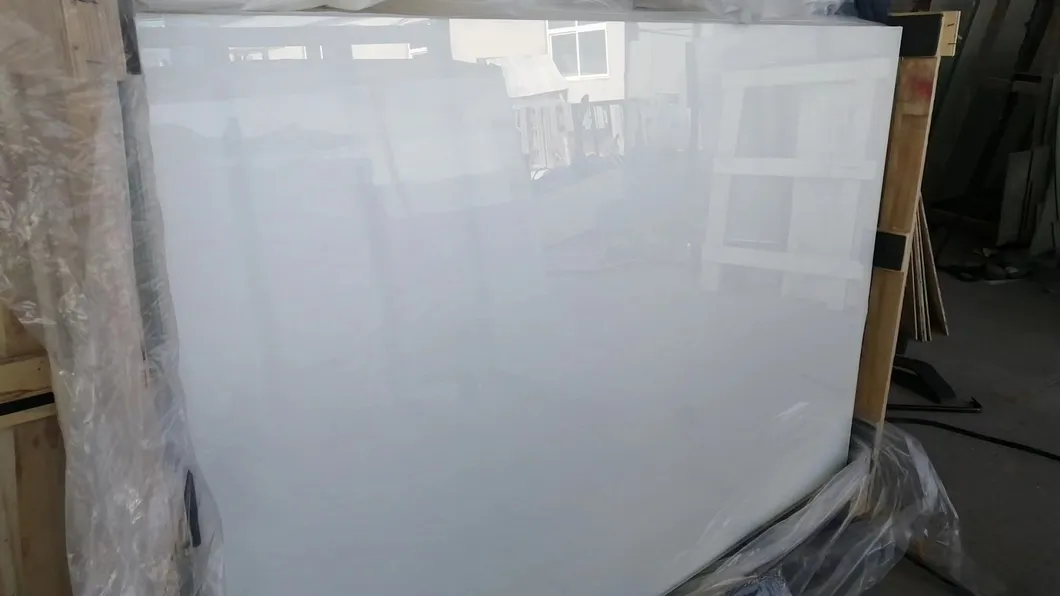
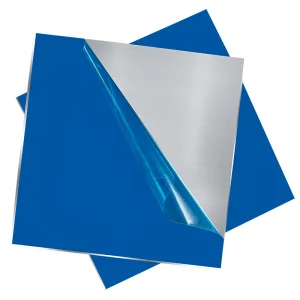
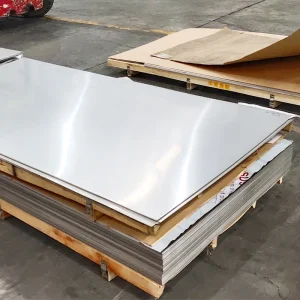
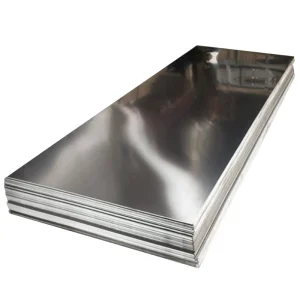
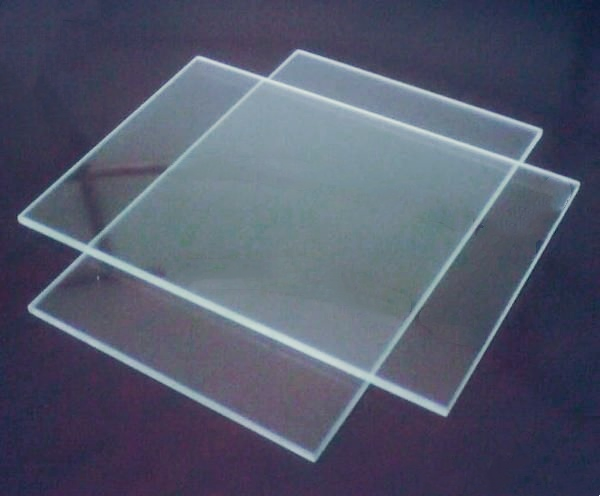
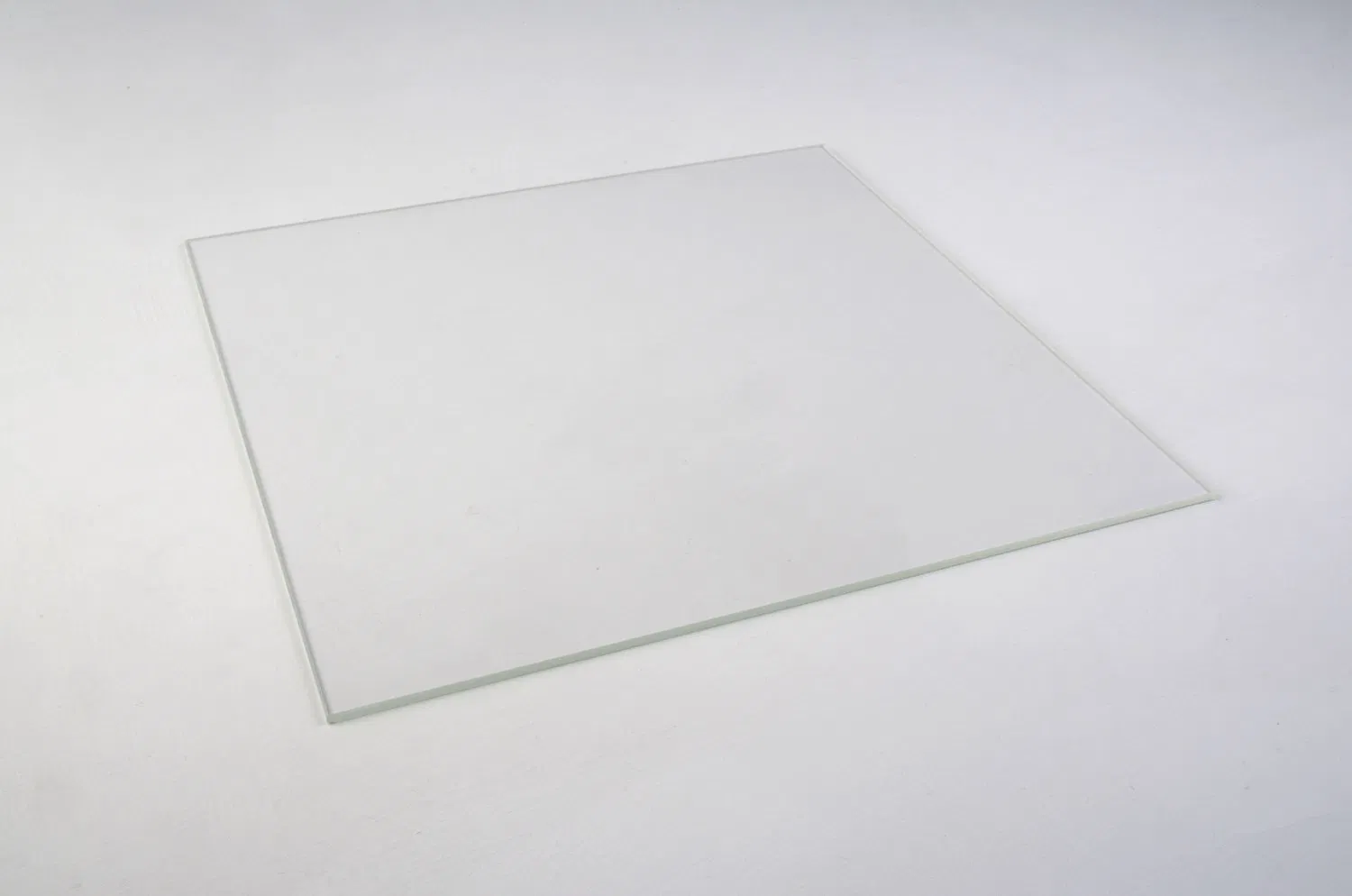
Borosilicate 3.3 floated glass sheet is also called heat resistant glass, it is very clear, and have a very smooth surface. It is manufactured by a unique micro-float process. This technique provides exceptional flatness, high surface quality, and low microroughness. Borosilicate glass sheet is used in a wide range of applications.
Typical Applications
- Industrial optics for high working temperature
- Glass components for lighting
- Sight-glass windows
- Glass covers for sensors
- Laboratory glassware
- Chemical, pharmaceutical, food and drink industries
- Window for oven and furnace
| Standard Size |
Length* Width: 1150*850mm, 1150*1700mm
Thickness: 0.5mm to 25mm |
| Feature |
Thermal resistance, transparency, chemical durability, machanical strength |
| Processing |
Cutting, grinding, polishing, drilling, sandblasting, coating, bending, printing |
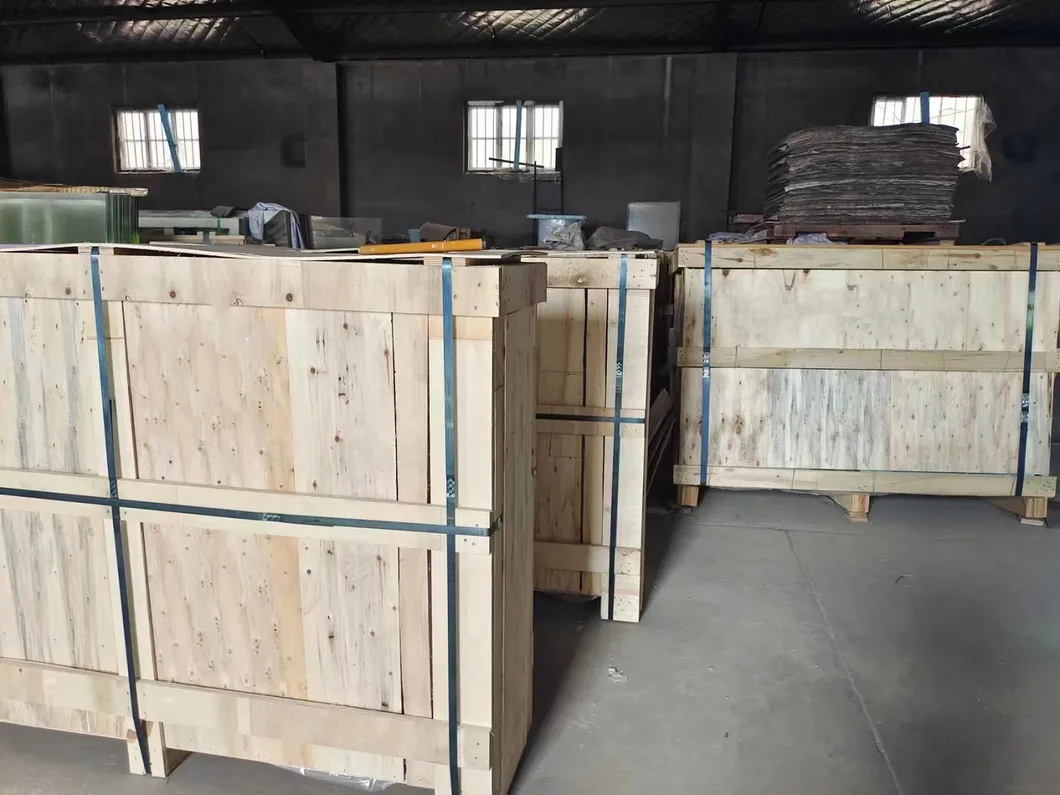
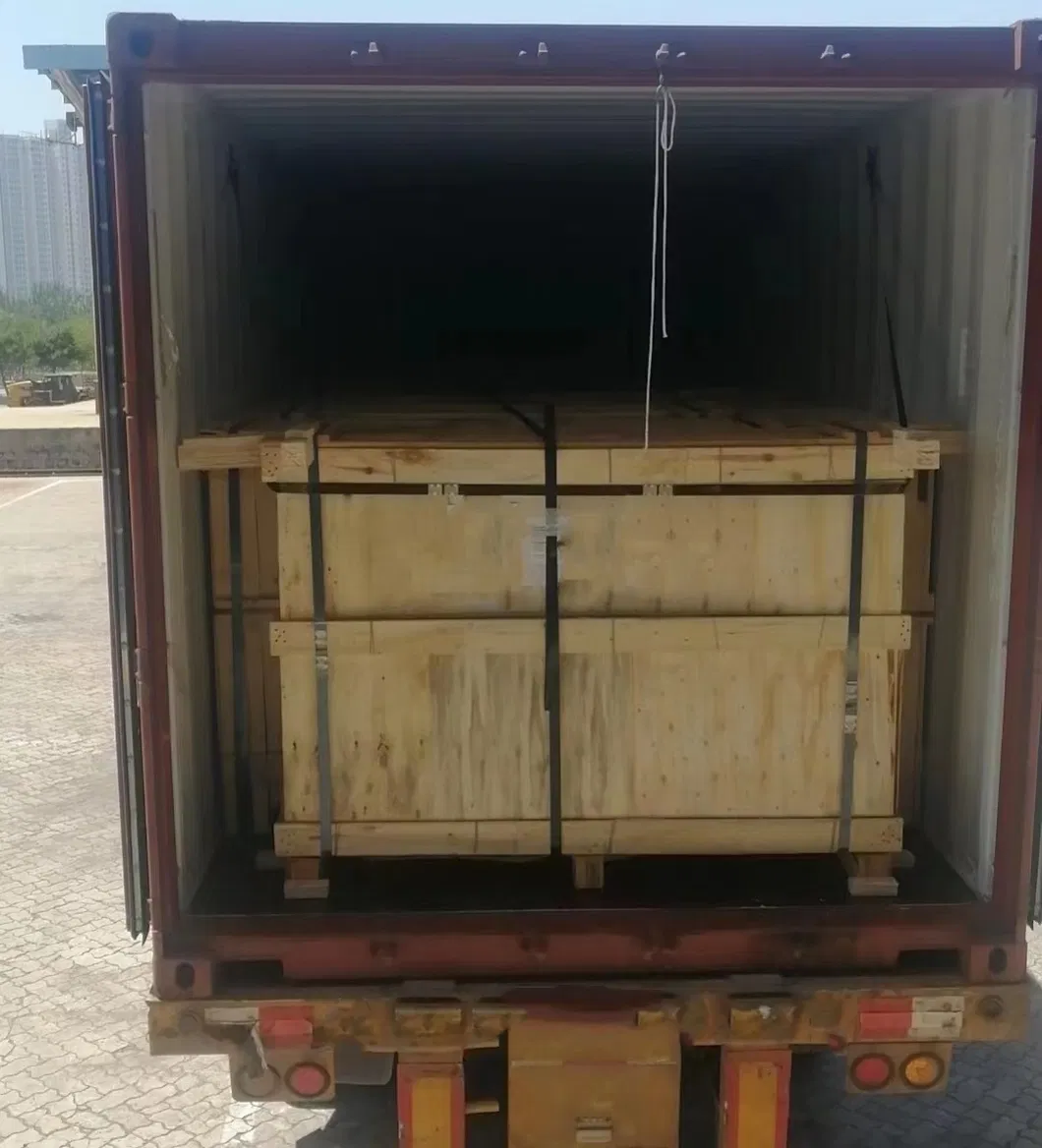
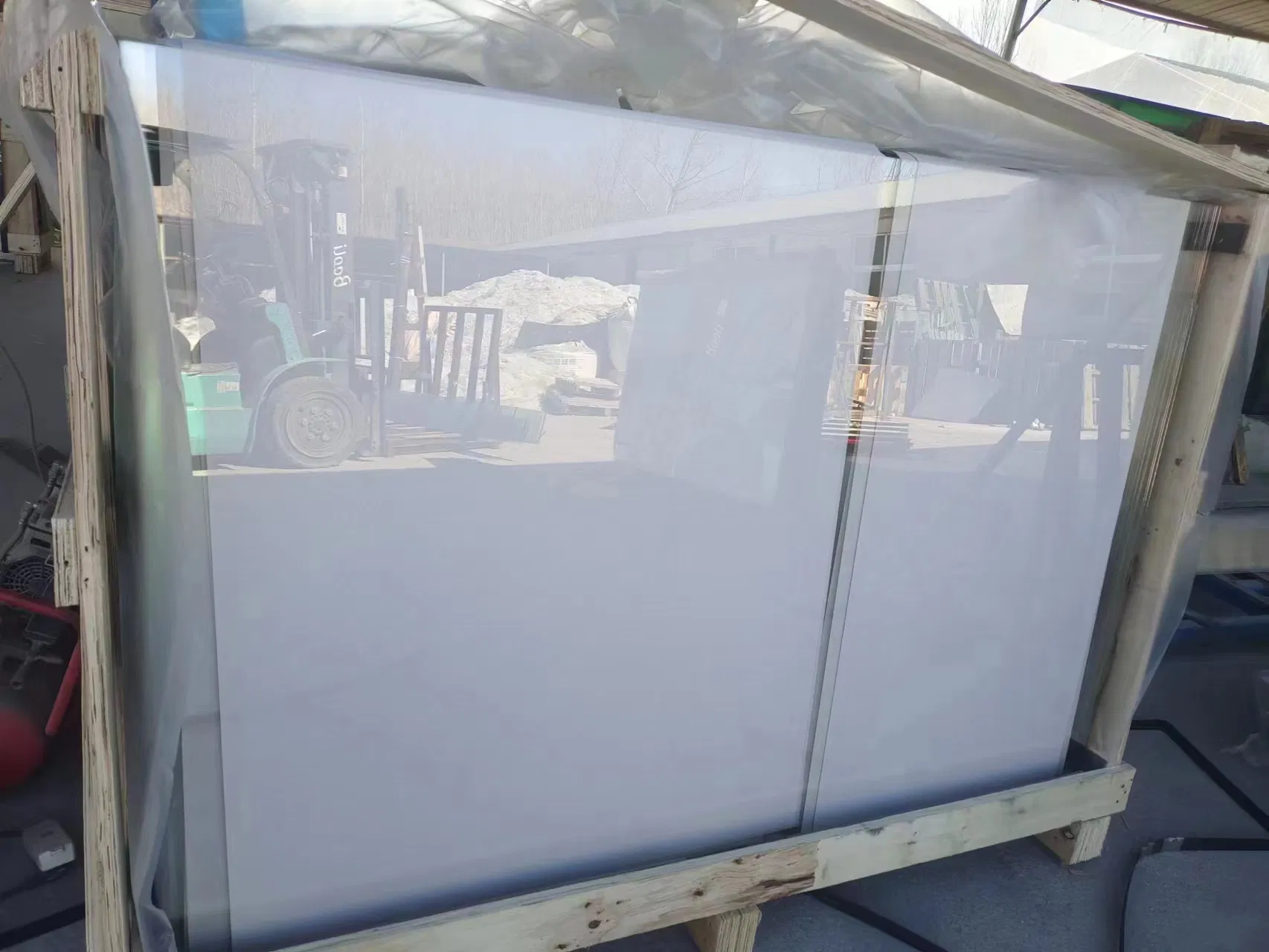
| Packing |
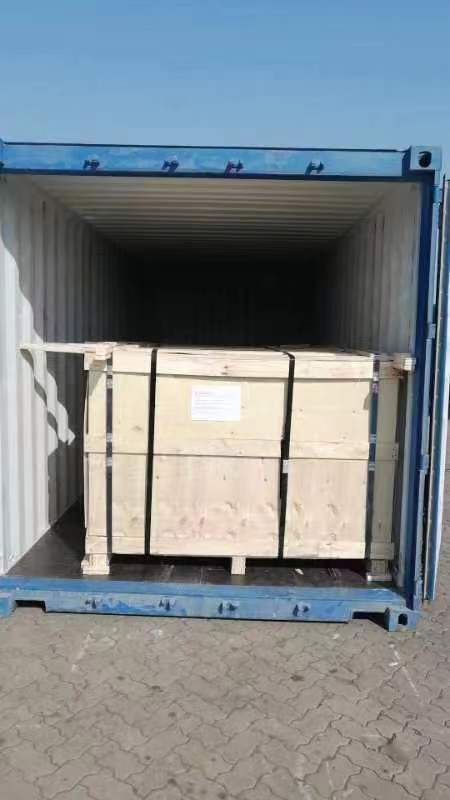
Wooden crate |
?
Frequently Asked Questions
What are the main advantages of Borosilicate 3.3 glass?
Borosilicate 3.3 glass offers exceptional thermal resistance, high transparency, excellent chemical durability, and superior mechanical strength compared to standard glass.
What is the maximum working temperature for this glass?
For short-term usage (less than 10 hours), it can withstand up to 500°C. For long-term usage, the recommended limit is 450°C.
Can the glass be processed or customized?
Yes, the glass supports various processing methods including cutting, grinding, polishing, drilling, sandblasting, coating, bending, and printing.
What industries commonly use these glass sheets?
It is widely used in industrial optics, lighting, laboratory glassware, chemical and pharmaceutical industries, and as windows for high-temperature ovens and furnaces.
What is the standard size and thickness available?
Standard sizes include 1150*850mm and 1150*1700mm, with thicknesses ranging from 0.5mm up to 25mm.
How is the product packaged for transport?
To ensure safety during transit, all glass sheets are securely packed in sturdy wooden crates.
 DETT TexPro